
Last updated November 4, 2026
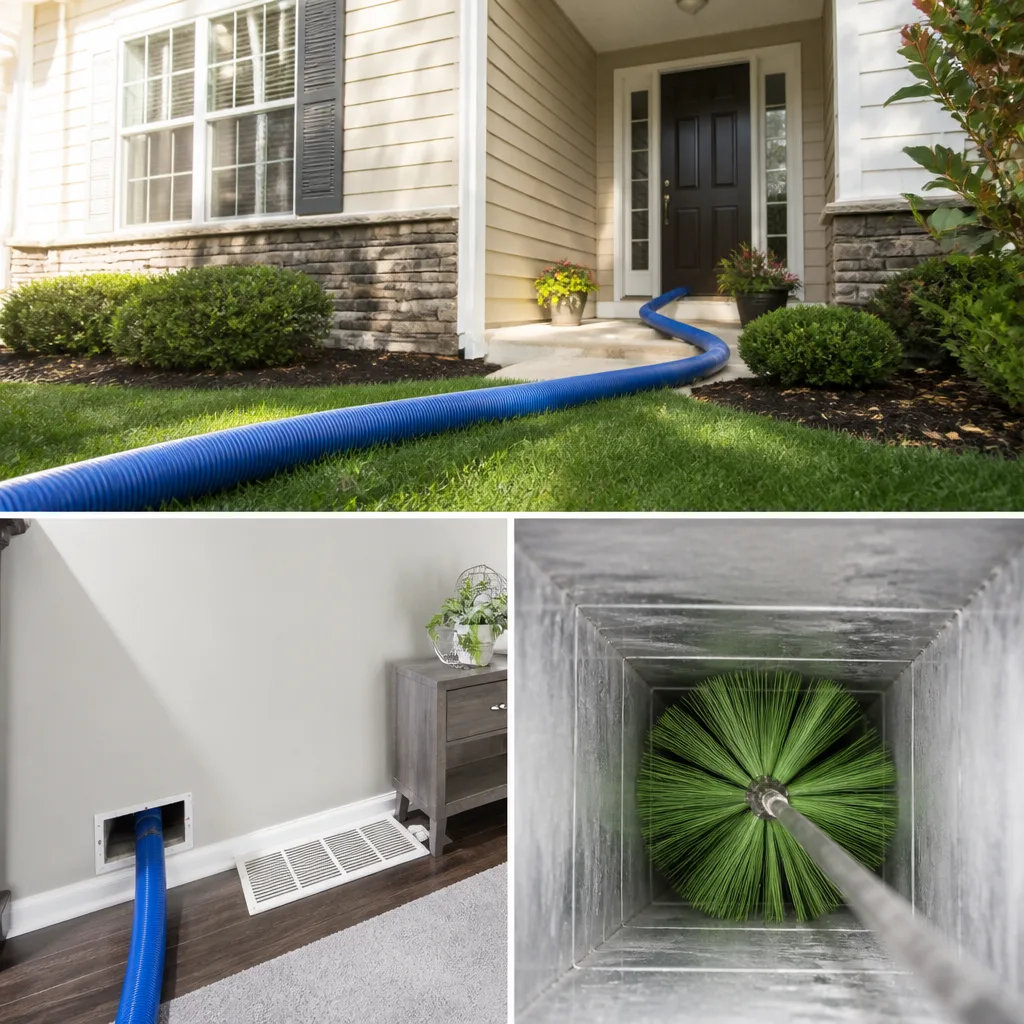 Whole-home duct cleaning
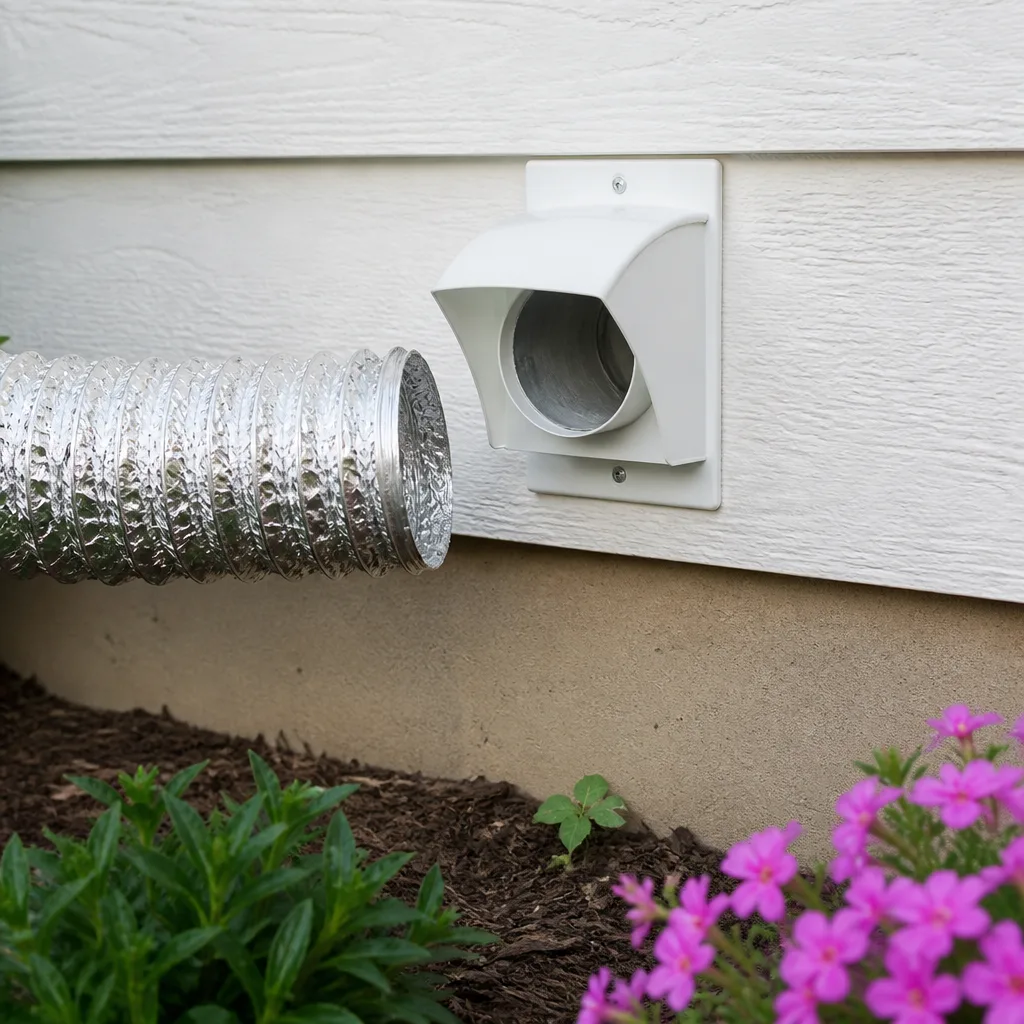 Dryer vent cleaning
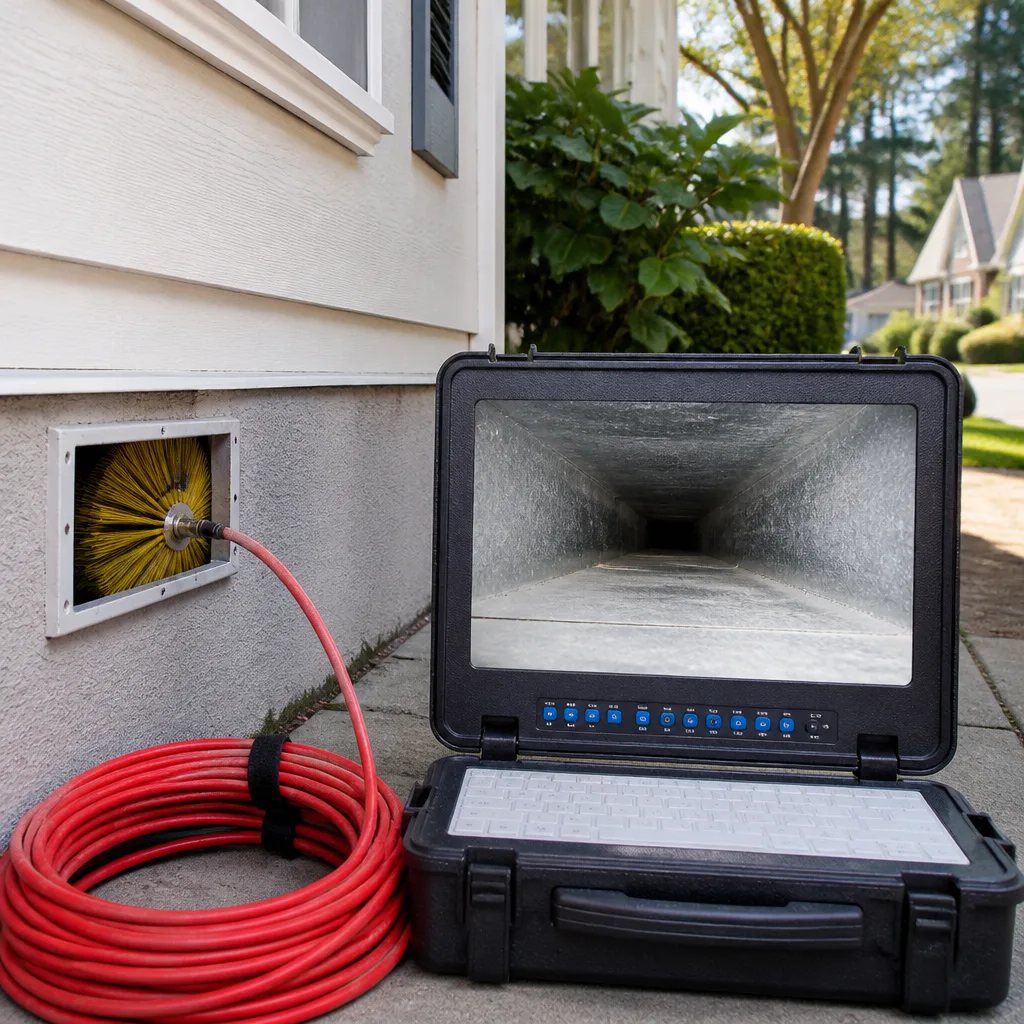 Camera inspection
 Sanitizing & deodorizing
Whole-system duct and dryer vent check with before-and-after photos - you see exactly what came out of your vents
That "$99 whole-house special" is a bait ad - the real number appears once they are in your hallway, or the "clean" is a shop-vac at the register. We photograph the inside of your ducts before and after instead.
Air Duct Cleaning Troubleshooting in Livermore: Common Problems and How to Fix Them
Here’s a counterintuitive truth about ductwork: the air blowing through your vents is usually not the problem. The system carrying it is. Homeowners in Livermore routinely tell us they’re ready to replace a blower motor or compressor when the real culprit is a collapsed flex duct, a clogged return, or a plenum that’s pulling attic air. By the time a technician opens the register, the actual fix often costs a fraction of the HVAC repair they were bracing for. This guide walks through the most common duct-side failures we see in Livermore homes, how to spot them from inside the house, and when a cleaning is enough versus when the duct itself needs repair.
Quick Answer
Most duct problems in Livermore fall into two buckets: airflow restriction caused by debris, collapsed flex sections, or filter neglect, and duct leakage caused by disconnected joints, torn casings, or poor sealing. A thorough visual inspection plus a negative-air pressure test can distinguish a cleaning issue from an integrity issue within a single visit. The right fix depends on which bucket you’re in, and guessing wrong is what leads to unnecessary component replacement.
Styles & brands we work with
- Whole-home duct cleaning
- Dryer vent cleaning
- Camera inspection
- Sanitizing & deodorizing
Table of Contents
- Weak Airflow But the HVAC Runs: Reading the Real Symptom
- Collapsed Flex Duct in Livermore’s Older Tract Homes
- Musty Odor After a Cleaning: The Moisture Source You’re Missing
- Negative-Air Pressure Testing: Finding Leaks No Visual Inspection Can Catch
- Cleaning Problem or Duct Integrity Problem: How to Tell
- What Happens Between Cleanings: Filter Choice and Static Load
- Common Mistakes to Avoid
- When to Call a Professional
Weak Airflow But the HVAC Runs: Reading the Real Symptom
Let’s start with the most common call pattern we get in Livermore: a homeowner reports that the system runs constantly but certain rooms never quite reach the thermostat setting. The immediate assumption is often that the blower is failing or the compressor is undersized. Sometimes that’s true. But before spending on component replacement, we check the duct side first, because duct-side restriction mimics equipment failure more often than most people realize.
The simplest diagnostic is static pressure. Every duct system is designed to operate within a certain resistance range. When duct walls are coated with years of skin cells, textile fibers, pet dander, and construction particulates, that resistance rises. The blower works harder to push the same air volume. The symptom is exactly what you’re feeling: rooms at the end of the longest duct runs get less air, while rooms close to the plenum get too much.
A restricted return is even more deceptive. The return side of the system draws air back toward the blower. When that path narrows, the whole system starves. Rooms will feel stuffy. The system may short-cycle because the blower isn’t passing enough air across the coil. And a technician who isn’t looking at the duct side might diagnose a motor problem. In truth, the motor is fine. It’s just breathing through a straw.
Here’s how to read it yourself:
- Check the filter first. A dirty filter at a return opening is a restriction. Pull it and hold it up to a light. If you can’t see the structure of the filter media, it’s done. Replace it and re-test airflow. This alone solves a surprising number of calls.
- Feel the rooms. Close every door in the house, then walk from room to room with the system running. Rooms with no return path and no undercut door will feel pressurized. Open a door mid-test. If air rushes into the hallway, the room has been starved.
- Listen at the return grille. A return that’s pulling hard enough to whistle is telling you the path is undersized, dirty, or collapsed further upstream.
One more thing to know about Livermore specifically. Our summers run hot and dry, with stretches in the high 90s. Dust is fine and airborne. It settles into return bends and trunk lines faster than homeowners expect. A system that was balanced two years ago may be significantly out of balance now, simply because the duct walls are no longer smooth. When we run a contact cleaning through those lines, we’re not just removing debris; we’re restoring the flow path the system was designed for. That’s the difference between air duct cleaning that scrubs the wall and a brush-and-vacuum job that just loosens the surface layer.
Collapsed Flex Duct in Livermore’s Older Tract Homes
Flexible duct has a structural weakness that rigid metal duct doesn’t: it depends on inner support rings to stay open. When the outer jacket is torn, crushed, or saturated with condensation, the inner liner can sag between those rings. The duct looks fine from the outside. But inside, the air path has collapsed from a circle to a lens to, in the worst cases, a full pinch. This is not a cleaning problem, and no amount of contact cleaning will fix it. The section needs to be re-supported, re-secured, or replaced.
Livermore has a specific housing pattern that makes this common. The city expanded in waves, and a lot of residential construction happened in the late 1970s through the mid-1990s. That era used flex duct extensively for branch runs out to bedrooms and family rooms. Forty years later, the nylon jackets and inner liners have degraded. Attic temperatures here, which regularly climb past 130 degrees in July and August, accelerate that aging. A bad section of flex duct in a Livermore attic doesn’t fail cold. It bakes for twenty summers and eventually gives up.
Symptoms to watch for:
- One specific room always runs hot or cold while the rest of the house feels normal.
- Airflow from a particular register feels weak no matter what the filter looks like.
- The register itself is in a far corner of the house, at the end of a long flex run, and that run crosses an attic with no insulation cover over it.
- There’s a visible kink in the flex line if you can access the attic, or the jacket is torn and hung from a truss by wire that’s rusted or broken.
Here’s the honest sequence we follow when a collapsed section is suspected:
- Remove the register and inspect the immediate connection. A disconnected or torn joint at the boot is the most visible clue.
- Check the flex line’s support spacing. When support straps are loose or missing, the line sags between points, and the sag is where the collapse begins.
- Run a camera or inspection tool through the line to confirm the pinch point and its depth.
- Replace the section if the liner is torn or the support rings are deformed, rather than attempting to patch it. Patching a collapsed flex section is a temporary fix that returns in the next season.
We treat this as a repair task, not a cleaning task, because the two require different thinking. A cleaning removes what’s deposited on the walls. A repair restores the shape and seal so the air can actually move. When a homeowner tells us they’ve had the system cleaned twice and one room still won’t heat or cool, the answer is usually a collapsed or torn flex line. The Duct Cleaning Livermore team finds these on a regular basis in the estates built around the 1980s off Murrieta and Mines Road.
Musty Odor After a Cleaning: The Moisture Source You’re Missing
A musty smell that appears right after a duct cleaning is frustrating, and we understand why a homeowner would blame the cleaning itself. But in our experience, the cleaning didn’t cause the odor. It exposed it. The smell was already there, soaked into a material somewhere in the air path, and the cleaning changed the airflow enough to push that smell into the living space.
The first thing to check is the condensate drain pan under the indoor coil. In Livermore’s summer climate, the coil produces a lot of condensation. If the pan is tilted, clogged, or cracked, water pools. Standing water plus organic matter equals odor. The same applies to the drain line: a slow drain holds a wet plug of dust and biological growth that smells long before it backs up.
The second thing to check is the plenum. On older Livermore systems, especially downflow units in closets, the return plenum is an unlined metal box that sweats. Where there’s sweat, dust sticks. Over years, that dust becomes a damp mat. The cleaning removed the loose debris, but the damp, adhered layer remains, and the smell comes right through the house.
Here’s a quick process to locate it:
- Run the system with the fan on and the compressor off, then with the compressor on. If the smell is stronger when the compressor runs, it’s moisture-related, not dust-related.
- Open the air handler cabinet if you can access it safely and inspect the coil and pan. A pan with standing water or a white, stringy growth layer in it is your source.
- Pour a cup of water into the condensate drain line at the access point. If it pools and doesn’t flow away, the line is plugged. Unplug it and re-test.
- Check the plenum for a dark, damp-looking film on the inner walls. That film is not a cleaning failure; it’s a moisture problem that a contact cleaning with the right agitation can remove, but only after the moisture source is addressed.
This is why we run dryer vent cleaning and duct cleaning as separate services with different focuses, even though they share some tooling. A dryer vent is a single, isolated line. Ductwork is a system. The odor you smell is usually a system-level moisture issue, and until the water stops, the smell will keep coming back no matter how many times you scrub the interior.
Negative-Air Pressure Testing: Finding Leaks No Visual Inspection Can Catch
We can’t see inside every foot of ductwork in a Livermore attic, and neither can anyone else. The runs are insulated, strapped between trusses, and buried where the roof pitch allows almost no access. That’s why visual inspection alone is an incomplete diagnostic. A proper evaluation uses negative-air pressure testing, and this is where the difference between a real duct contractor and a shop-vac crew becomes obvious.
Here’s how it works. A negative-air machine, in our case a Nikro unit, is connected to the duct system. The system is sealed at the registers and returns, and the machine pulls the interior into a contained vacuum. Any unsealed joint, torn jacket, or disconnected boot will pull air from outside the system to inside it. We measure the pressure differential and, more importantly, feel and hear the movement. A leak that’s invisible from the register side shows up clearly during a pressure test.
Why this matters for Livermore homes comes down to construction age and materials. Homes built in the 1980s and 1990s used duct sealant that dries out. The sealant cracks along the seams. Flex collars loosen where they attach to sheet metal. Return boxes, especially platform returns under an air handler, are notorious for pulling unconditioned air from the chase or crawl. None of this is visible without pressure testing.
The containing effect of the Nikro equipment serves a second purpose during cleaning. When we agitate the duct walls with the Rotobrush contact system, we’re dislodging fine particulate that has been stuck for years. If the system is under positive pressure during that process, some of that particulate escapes into the house. Under negative air, it’s drawn toward the machine and captured in the filtration. We consider this non-negotiable. You shouldn’t have to run your own air purifier after a cleaning job to clear the air we stirred up. The cleaning should be contained from start to finish.
For a homeowner, the takeaway is simple: ask whether the contractor pressure-tests or just “looks around.” The answer tells you which category of company you’re dealing with.
Cleaning Problem or Duct Integrity Problem: How to Tell
There’s a moment in every duct inspection where we have to make a call: does this system need to be cleaned, or does it need to be repaired? Giving the wrong answer wastes the customer’s money and leaves the original symptom untouched. Getting it right is what separates a thoughtful technician from a rushed one.
Here’s a working framework we use on site:
- If the duct walls are dirty and the fittings are intact, clean it. Uniform dust and debris on the inner walls of a properly sealed system is a cleaning issue. The fix is contact agitation and extraction, and the result is immediate airflow and air quality improvement.
- If a fitting is loose, disconnected, or deformed, repair it first. No cleaning will hold if the section is pulling attic air into the flow path. The repair comes before the cleaning, not after.
- If a section is collapsed or the inner liner is torn, replace it. This is the flex duct scenario above. The material has failed. Cleaning around it is wasted effort.
- If the system has never been balanced or returns are undersized for the home, cleaning reveals the problem but doesn’t solve it. In these cases, the house may need a return added or a duct run re-sized. That’s a repair-level conversation, not a cleaning job.
One distinction worth making clearly: Livermore homes with platform returns built of drywall and framing often have hidden leakage between the return cavity and adjacent wall chases. The duct cleaning can be perfect, and the air still stinks because the return is pulling from inside the wall. That’s not a dirty duct. That’s a construction issue that can be corrected in one visit by sealing the plenum and confirming the return path is dedicated to the conditioned space.
We offer air duct repair alongside cleaning for precisely this reason. The equipment we run, including Abatement Technologies air-quality controls during service, is built for containment and measurement, not just volume. That should tell you something about how we think about the work. We’re restoring the system, not just removing visible dust.
What Happens Between Cleanings: Filter Choice and Static Load
Most Livermore homeowners we meet don’t have a filter problem because they don’t change filters. They have a filter problem because someone sold them a filter that’s too dense for their system, and the static load is wrecking their airflow. Understanding the relationship between filter choice and duct performance will save you more money than any cleaning we could ever sell you.
High-MERV filters are popular. They’re marketed aggressively. But a dense filter increases resistance. On a system with marginal duct sizing, which is common in that same Livermore housing era we discussed, a MERV 13 filter can push static pressure well outside the blower’s design curve. The result: lower airflow at every register, longer run times, higher energy bills, and premature blower motor wear.
The right filter depends on the system, and there’s no universal answer. A system designed for a 1-inch fiberglass filter will often choke on a 4-inch high-density pleated. Conversely, a media cabinet with a large surface area can run a high-MERV filter comfortably. What we look at is the pressure drop across the filter, not the marketing on the package.
For most Livermore residential systems, we recommend starting with a basic pleated filter in the MERV 8 to 11 range and measuring comfort and airflow. If you have allergy concerns and want higher filtration, that’s reasonable, but it should be paired with a filter cabinet that provides adequate surface area. We’re trained on Honeywell and Aprilaire systems, so we understand the filtration and humidity-control side of the equation, not just the ductwork. That matters when you’re deciding whether a filter is helping or hurting.
Beyond the filter, two other between-cleaning factors matter in Livermore specifically: construction dust and landscape dust. New construction and remodels are constant here, and dry summer conditions mean fine dust travels. If you live near an active project off Vasco Road or a hillside that’s been graded for new housing, your filter will load faster than the nominal change interval suggests. Check it monthly during construction season, and don’t be surprised if it’s full in three weeks.
Common Mistakes to Avoid
- Treating a musty odor as a cleaning failure without checking the condensate pan. The odor source is usually water, not dust. Clean the duct and fix the water, or the smell returns in weeks.
- Replacing a blower motor before checking static pressure and duct restriction. A starving system looks like a failing motor. Diagnose the restriction first, and you may save a component replacement you didn’t need.
- Patching a collapsed flex section instead of replacing it. The liner has failed. Tape and zip ties don’t restore the air path. The section needs to come out.
- Running a high-MERV filter on a system that can’t handle the pressure drop. You’ll lose airflow in the farthest rooms and blame the ductwork when the filter is the choke point.
- Skipping negative-air pressure testing because the ducts “look fine.” Hidden leaks in attics and platform returns won’t show up without a pressure differential. You’ll clean the system and still pull attic air through the gap.
- Waiting until the smell or dust is unbearable before having the system inspected. Duct problems compound. A torn jacket gets worse. A dirty coil works harder. Early inspection is cheaper than deferred repair.
When to Call a Professional
You’re in professional territory when any of these conditions show up: one room consistently under-delivers airflow no matter the season; a musty odor returns within weeks of a cleaning; the system is loud at the returns or registers; you can see visible dust build-up at the supply vents; or you suspect a disconnected or collapsed flex run in an attic you can’t safely access. These are not “try one more filter” situations. They’re “get a trained eye on the duct system” situations.
Duct Cleaning Livermore offers free estimates in Livermore. We bring the equipment and the diagnostic approach this guide describes, and we’ll tell you honestly whether the job is a cleaning, a repair, or both. Call (833) 593-6464. We answer 24/7. Fast dispatch from 7am to 7pm, Sunday through Friday.
See the difference
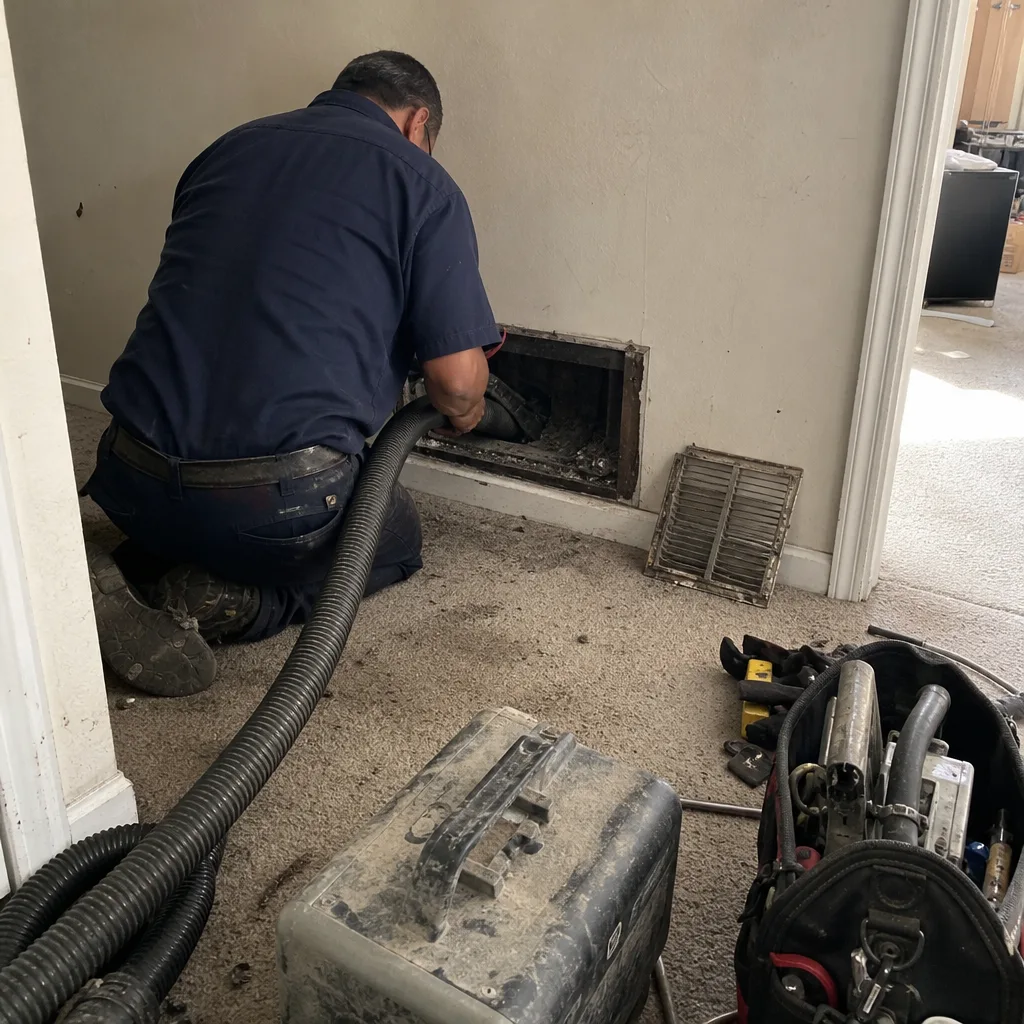 Before
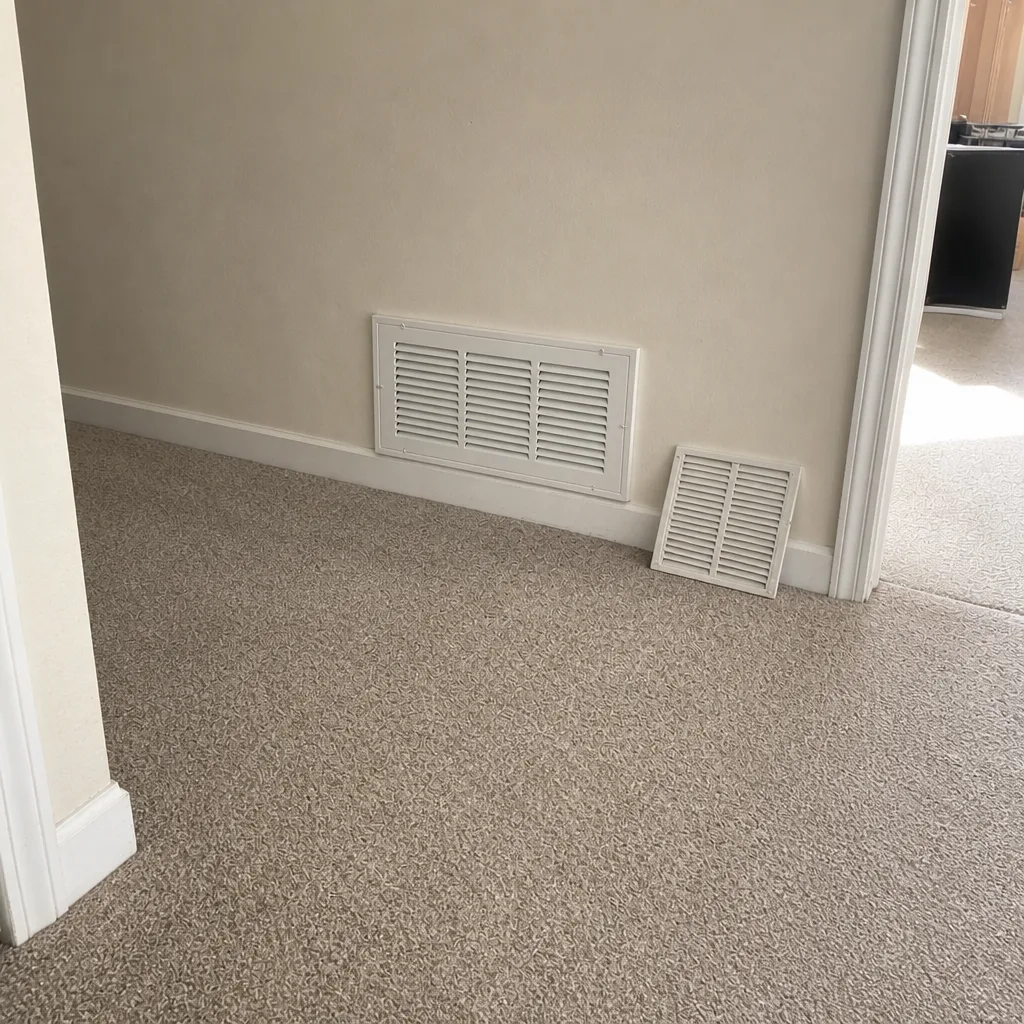 After
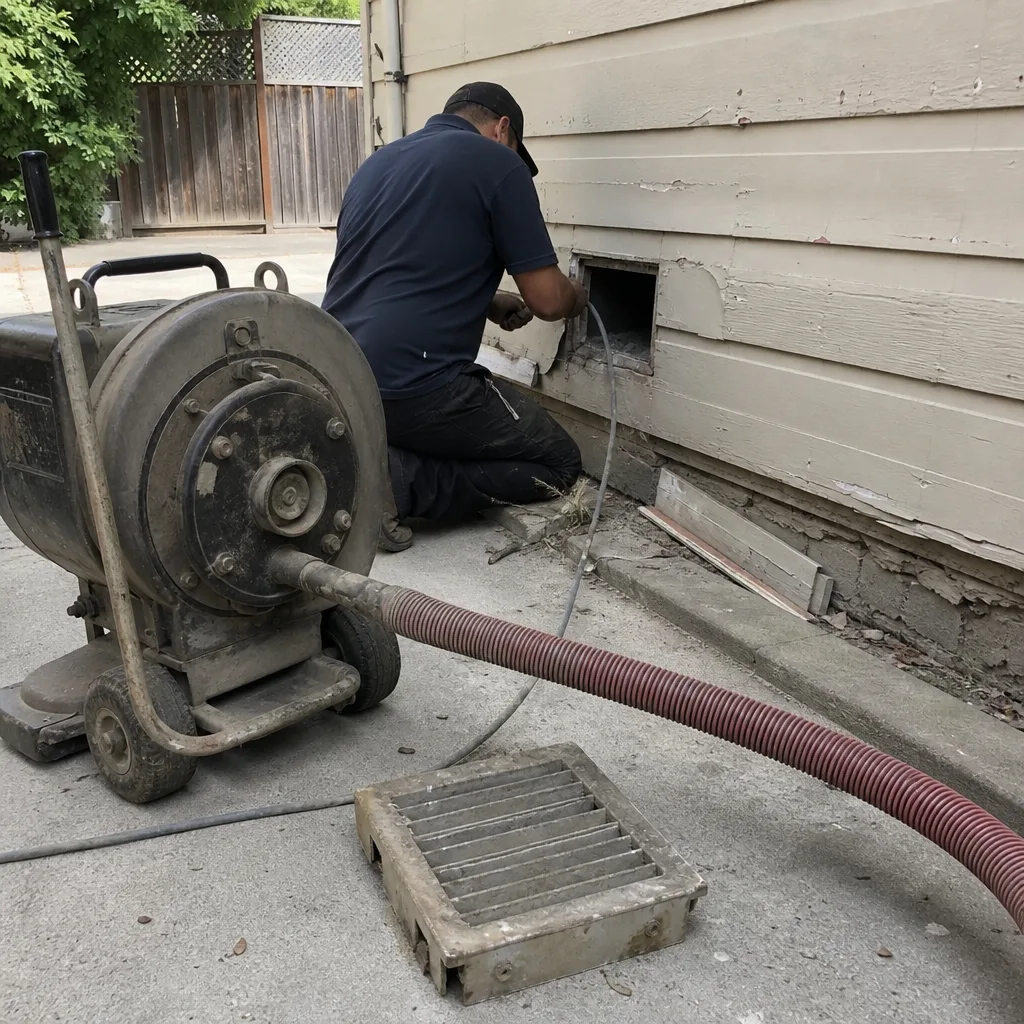 Before
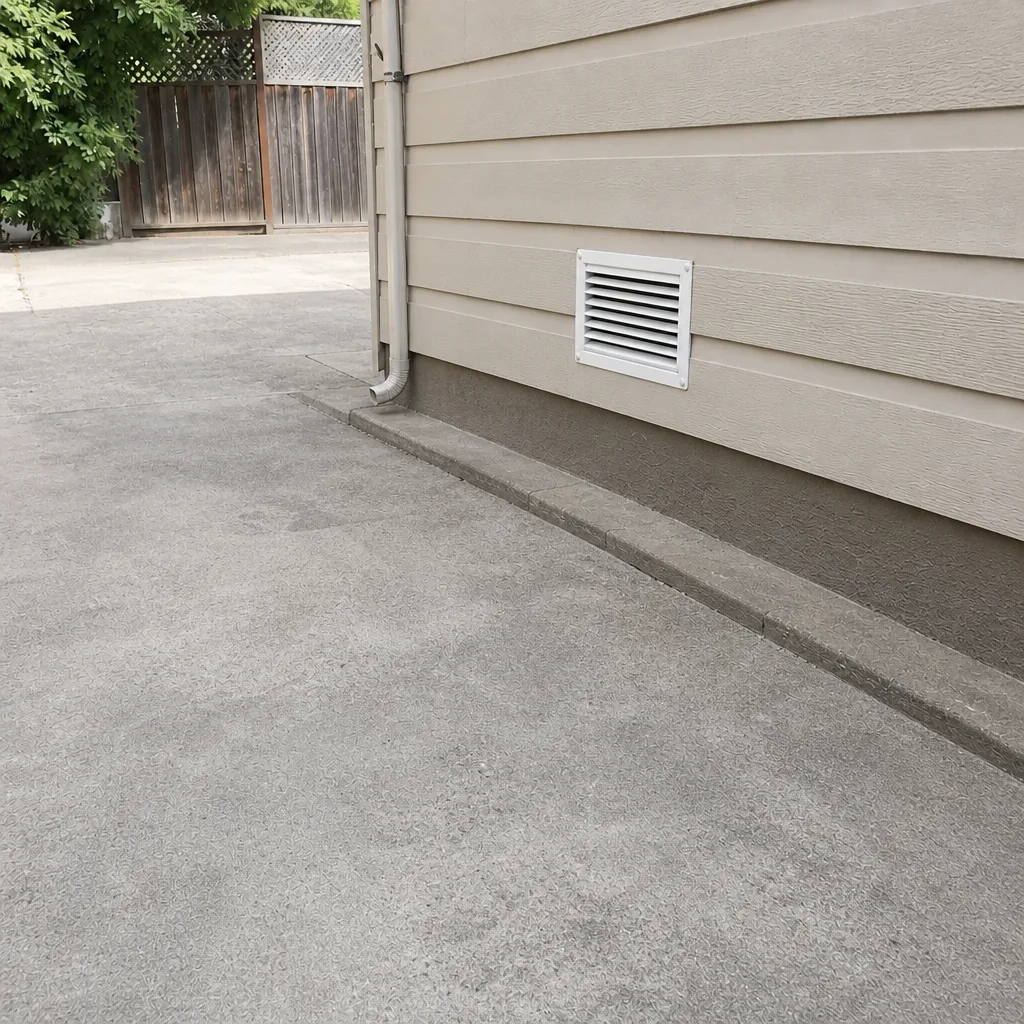 After
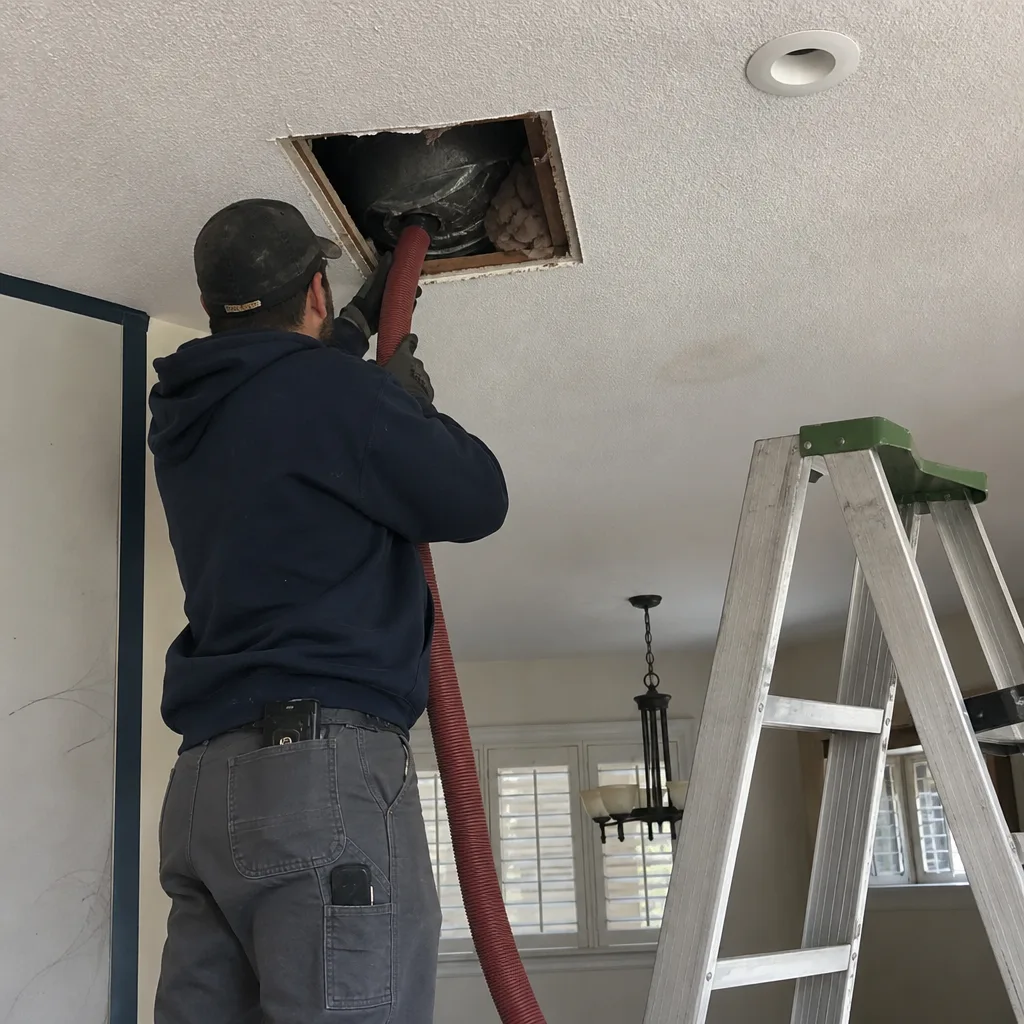 Before
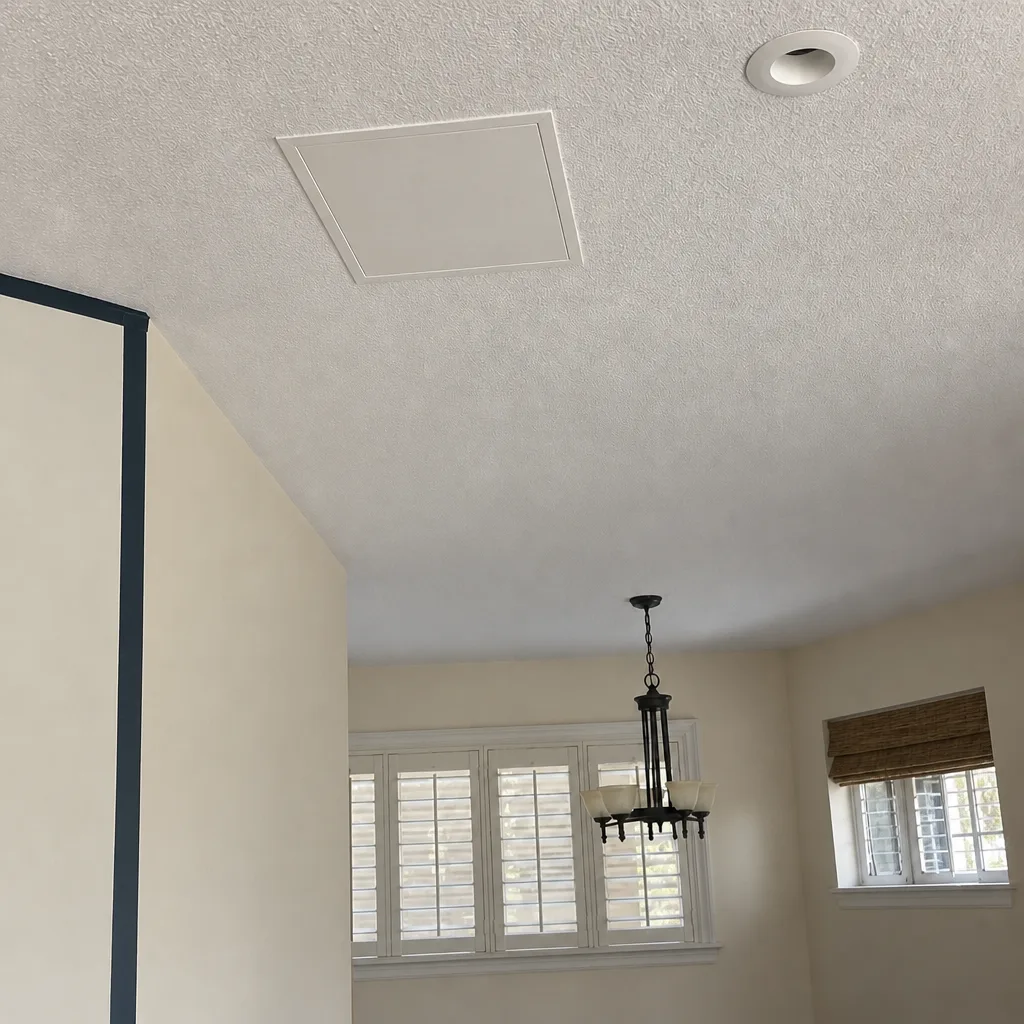 After
Frequently Asked Questions
The honest answer is that duct cleaning is priced per system by a written estimate, not per vent, and a Livermore residential system typically falls into a range that reflects the size of the home and the number of runs. Any company quoting a per-vent price before seeing the system is guessing. Call (833) 593-6464 for a free estimate, and we’ll measure the actual ducts and give you one flat number before work starts.
In most cases, the answer is a duct-side problem: a collapsed or torn flex run, a disconnected boot, or a room that’s starved for return air. The system is running, but the air isn’t reaching that room in the volume the thermostat assumes. A proper inspection, including pressure testing, will identify which of those three it is.
Ask for before-and-after photos of the duct interior, and ask what equipment was used. Contact cleaning with a Rotobrush system photographs the difference in wall deposit. Negative-air containment during the job is a second signal that the work was thorough rather than cosmetic. If a company won’t show you the inside before and after, that’s your answer.
There’s no fixed interval that fits every Livermore home. It depends on filter maintenance, pets, remodel cycles, and whether occupants have allergy concerns. A reasonable general guide is every few years for most households, sooner if you live near active construction or have smokers or multiple pets indoors.
Because they’re priced for a different scope of work. A shop-vac and a brush is fast, but it doesn’t contact the duct walls the way a rotating contact system does, and it doesn’t contain the dislodged dust under negative air. The cheaper quote is often a different job wearing the same name.
Only if the smell is from debris in the ducts, not from a moisture source in the pan, coil, or plenum. If the smell is moisture-driven, cleaning the ducts alone won’t stop it. The water source has to be corrected, then the affected surfaces cleaned, then the odor resolves. That sequence is the only one that holds.
The Bottom Line
Duct systems in Livermore fail in predictable ways: restriction from debris and collapsed flex, leakage from aged sealant and loose collars, and odors from hidden moisture where the duct meets the cooling coil. None of these are solved by guessing. They’re solved by reading the symptom accurately, pressure-testing where needed, and knowing whether the job is a clean, a repair, or both. When the equipment is right, the containment is real, and the technician understands the whole air path, a duct problem becomes a one-visit fix. That’s the standard we built Duct Cleaning Livermore around.
Written by the team at Duct Cleaning Livermore, serving Livermore since 2015.