
Last updated November 4, 2026
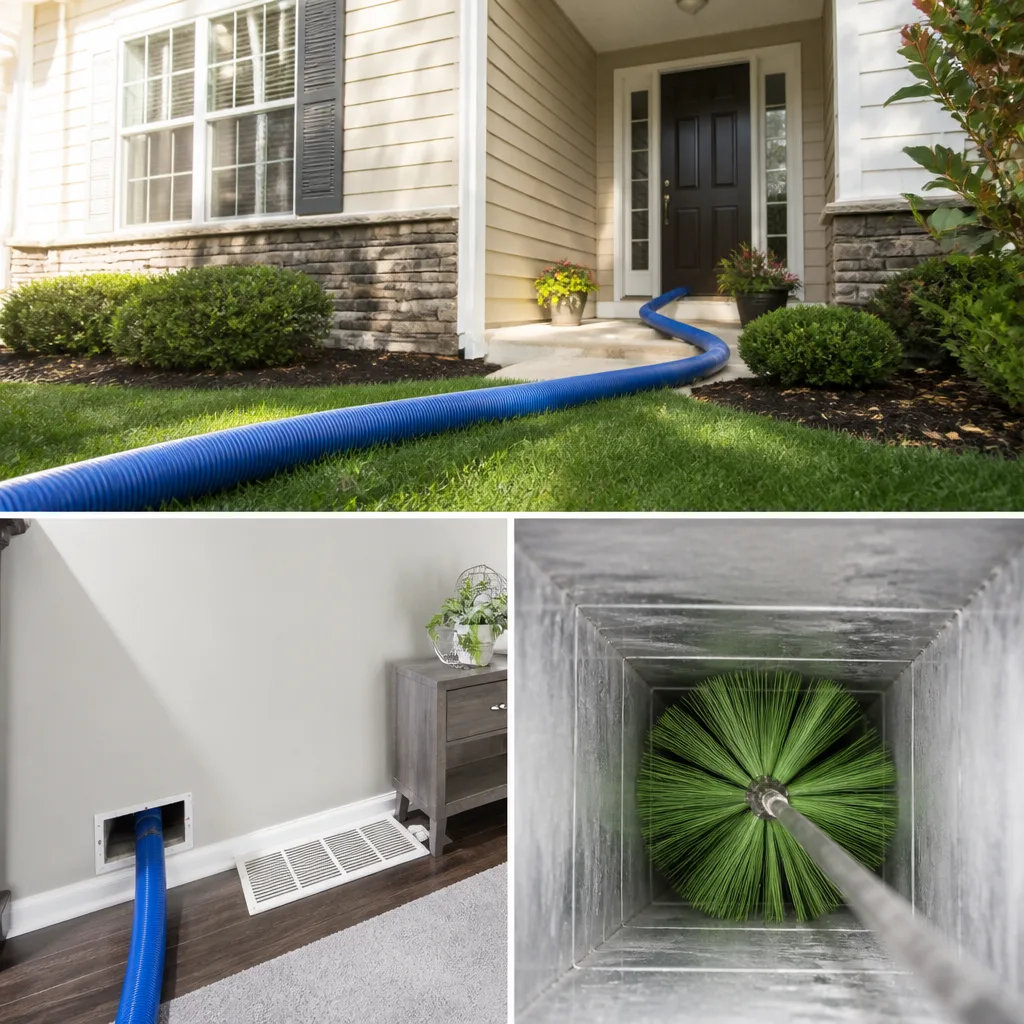 Whole-home duct cleaning
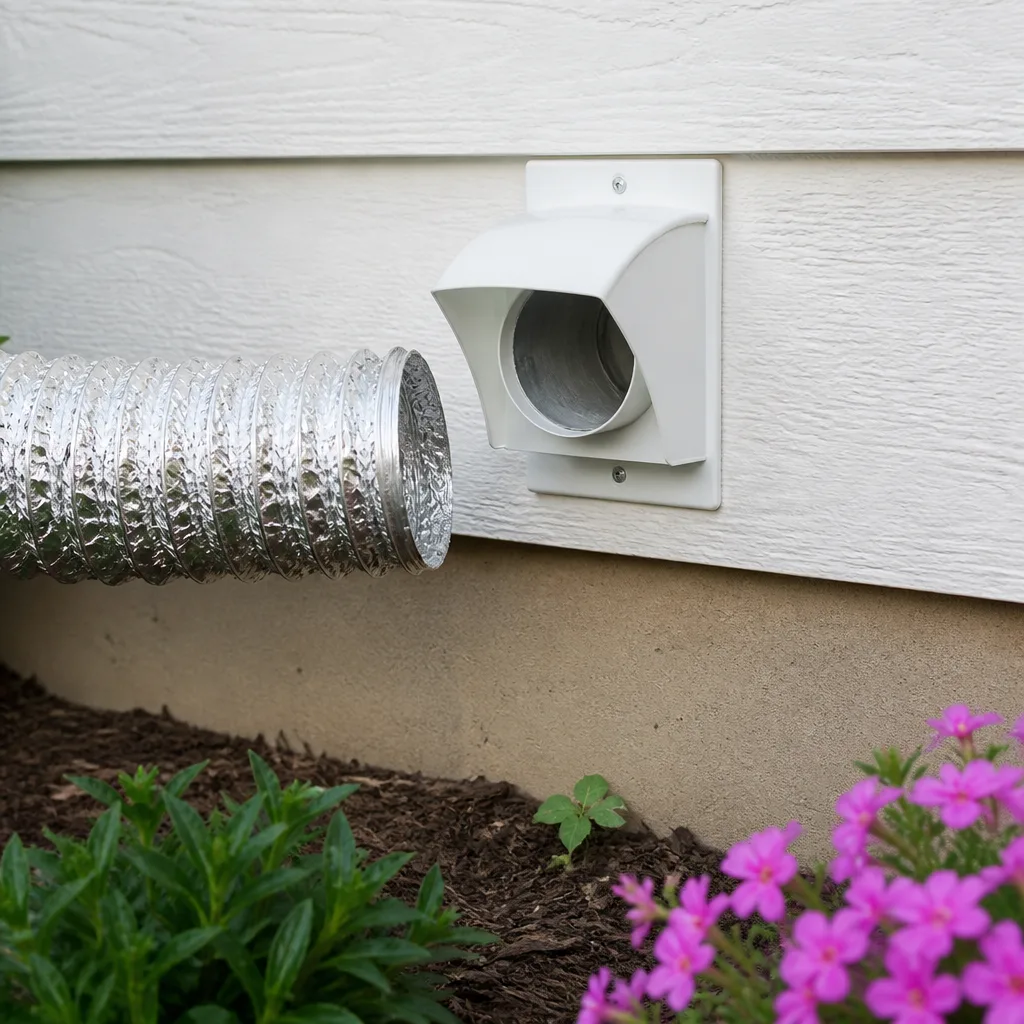 Dryer vent cleaning
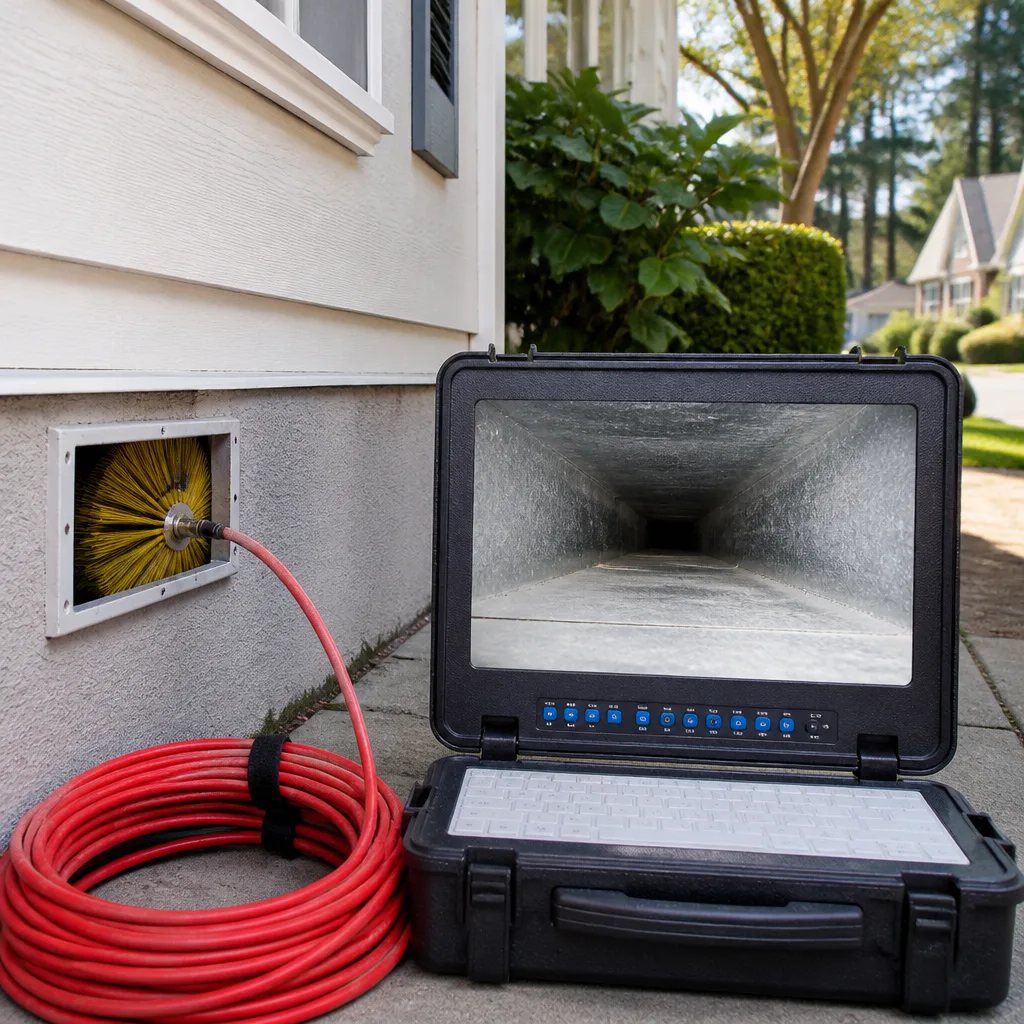 Camera inspection
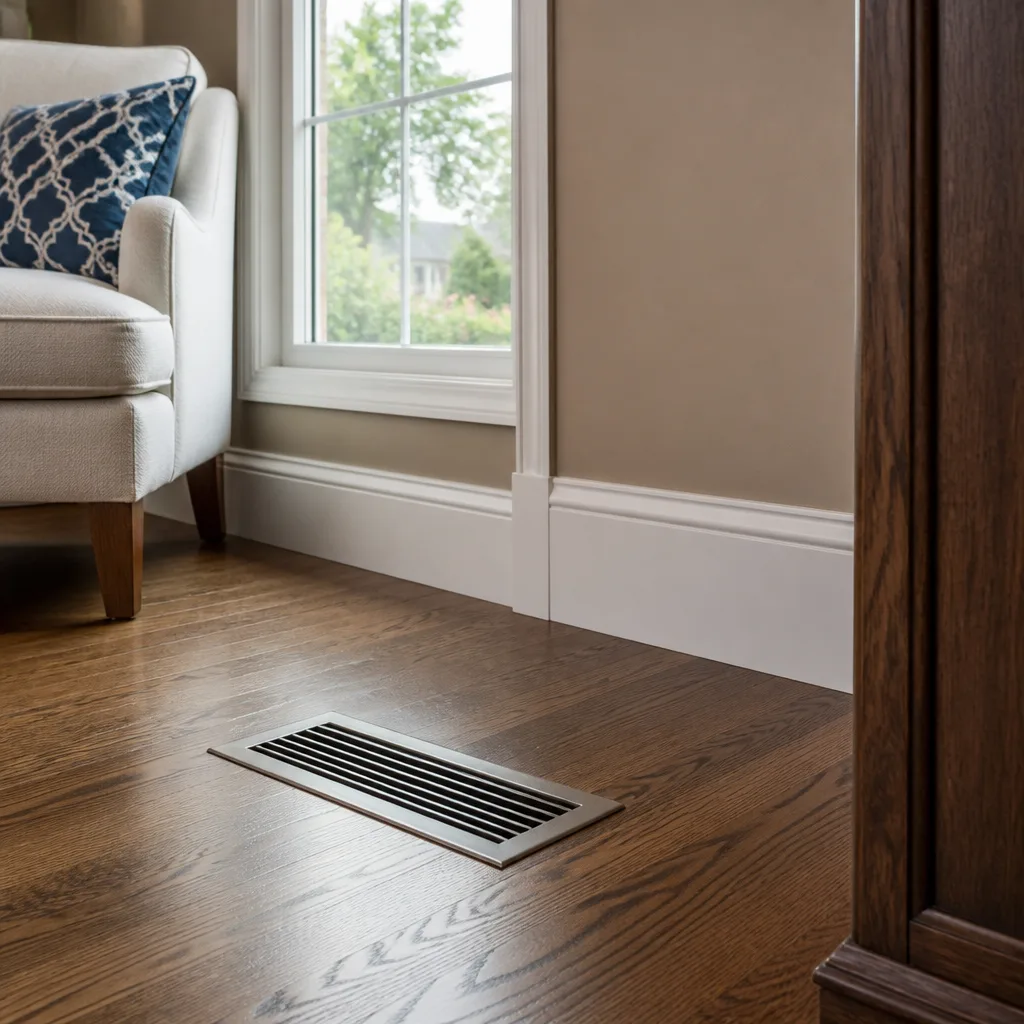 Sanitizing & deodorizing
Whole-system duct and dryer vent check with before-and-after photos - you see exactly what came out of your vents
That "$99 whole-house special" is a bait ad - the real number appears once they are in your hallway, or the "clean" is a shop-vac at the register. We photograph the inside of your ducts before and after instead.
The Complete Guide to Air Duct Cleaning in Livermore
A shop-vac generates roughly one-tenth the suction of a negative-air machine. Most Livermore homeowners never know which one the technician carried in until the job is over, and by then the difference is invisible. This guide walks you through what actually happens inside a residential duct system during a proper cleaning, so you can judge competence before anyone turns on a machine. We’ll cover how contact cleaning works, why containment matters, what Livermore’s valley climate does to ductwork, and how to verify the work was done right.
Quick Answer
Air duct cleaning in Livermore typically costs $350 to $700 for a whole-home system, depending on home size, number of returns, and how much debris has accumulated. The reason that range exists is equipment: a contractor using a Rotobrush contact-cleaning system and Nikro negative-air containment is doing a fundamentally different job than someone with a shop-vac and a brush, even though both will call it “duct cleaning.” One removes what’s stuck to the duct walls; the other mostly redistributes loose dust.
Styles & brands we work with
- Whole-home duct cleaning
- Dryer vent cleaning
- Camera inspection
- Sanitizing & deodorizing
Table of Contents
- The Anatomy of a Residential Duct System
- What Contact Cleaning Does That Vacuum-Only Methods Cannot
- How Negative-Air Containment Works
- Livermore-Specific Factors That Affect Duct Buildup
- What a Full Duct Cleaning Should Include, Step by Step
- Post-Cleaning Inspection: How to Verify the Work Was Done
- Common Mistakes to Avoid
- When to Call a Professional
- Frequently Asked Questions
The Anatomy of a Residential Duct System
Most people picture ductwork as a network of identical silver tubes. It’s not. A residential system in Livermore has three distinct parts, and each one accumulates debris differently. Understanding this makes it obvious why some areas need more aggressive cleaning than others.
The supply trunk is the large main line that carries conditioned air from the furnace or air handler out to the rooms. These trunks are typically rectangular sheet metal in older homes or large-diameter flex duct in newer construction. Air moves fast through the trunk, so heavy particles rarely settle there even over years. What does accumulate is a fine film on the walls, especially near turns where the air changes direction and drops its load.
The return plenum is where the problems concentrate. This is the box or chamber that pulls air back from your living space toward the filter. Air moves slower here, and every cubic foot of air in your home passes through it repeatedly. Dust, pet hair, skin cells, and anything else floating in your rooms gets drawn in and can settle in the plenum before reaching the filter. In our experience, the return side of a Livermore home is usually two to three times dirtier than the supply side.
Then there are the flex branches, the insulated flexible tubes that run from the trunk to each room register. They have a ribbed interior surface, and that’s the key detail. A smooth metal duct lets debris slide along. A ribbed flex duct gives dust thousands of tiny ledges to catch on. Homes built in Livermore during the 1970s through 1990s, which make up a large portion of the tract housing stock, often have long flex runs with multiple bends, each bend being another debris collection point.
Different accumulation patterns call for different cleaning approaches. The return plenum needs heavy contact scrubbing. The flex branches need agitation along their full length. A supply trunk might just need a final sweep. A technician who treats all three the same way doesn’t understand the system they’re working on.
What Contact Cleaning Does That Vacuum-Only Methods Cannot
The language of the duct cleaning industry is part of the problem. “Vacuuming the ducts” sounds like an upgrade from doing nothing, and technically it is. But vacuuming alone is passive. It removes whatever is loose enough to be carried away by airflow. Anything compacted, adhered, or tucked into corners stays put.
Contact cleaning changes the physics. The Rotobrush system we use deploys a rotating brush head that physically scrubs the duct wall surface while a high-suction vacuum pulls the dislodged material out. The brush contacts the surface, breaks the bond between debris and ductwork, and the debris is removed in the same motion, not just pushed further down the line.
What this means in practical terms: the gray film on the inside of a return plenum is a combination of dust, skin cells, and oils that have been baked on by years of warm air cycling. A vacuum wand passing over it leaves the film in place. A rotating brush abrades the surface layer and lifts it. The difference is visible on inspection camera footage before and after.
Air-whip and compressed-air agitation methods have the same limitation. They blast air into the duct to stir up debris and rely on the vacuum to catch it. That works on loose material but creates a containment problem: the blasting happens before the negative-air seal is fully established in many setups, and particles can be pushed into the living space through register openings rather than being drawn to the vacuum source. Rotobrush contact cleaning pairs the agitation with immediate capture at the point of contact.
If you’re comparing contractors in Livermore, asking what specific tool touches the duct walls is a fair question. “We vacuum the ducts” and “we run a rotating contact brush through every accessible run” are not the same service, even if both invoices say air duct cleaning.
How Negative-Air Containment Works
Here’s the scenario most people never think about: you loosen a decade of dust from your ducts. Where does it go? If the answer is “into the vacuum,” the job was done right. If the answer is “some of it went into the living room,” the job created a mess while charging for a cleanup.
Negative-air containment solves this with air pressure. A Nikro negative-air machine is connected to the duct system so that it constantly pulls more air out of the ducts than can flow in through the openings. This creates a pressure differential, meaning air always moves from the house into the ducts, never the other way. When debris is dislodged during cleaning, it has one direction it can travel: toward the containment unit’s filtration system.
Think of it like a sealed surgical field. The structure isn’t just vacuuming what’s convenient; it’s maintaining an environment where the contamination is controlled at all times, not just when the wand happens to be nearby. Any particle knocked loose by the brush is under continuous negative pressure from the moment it separates from the duct wall.
The units used in this process are the same category of equipment used in mold remediation and hazmat work, where containment failures are a health and legal liability rather than just an annoyance. Abatement Technologies air-quality control equipment is part of the job setup, which tells you how seriously a contractor takes the “don’t recirculate what you just removed” part of the work. A contractor who treats containment as an afterthought will redeposit fine particles throughout the house and call it done.
Livermore homes with the original ductwork from a 1980s build have had four decades of accumulation. Disturbing that material without proper negative-air setup sends a portion of it into the air you breathe that evening. There’s no way to know afterward how much was captured versus released, which is why the equipment choice matters before the machine turns on.
Livermore-Specific Factors That Affect Duct Buildup
Livermore’s climate and housing stock create a particular duct-cleaning profile that’s different from coastal or humid climates. Understanding what’s in your ducts means understanding where you live.
Valley heat cycling. Livermore summers reliably push into the 90s and frequently beyond the century mark. That means the HVAC system runs hard from May through October, cycling air through the ducts continuously. The more air that moves, the more debris gets carried through the system, and the more material gets deposited where the airflow slows. The heat itself also bakes moisture out of debris that might otherwise stay pliable, causing a harder, more compacted buildup that vacuum-only methods cannot remove.
Wildfire smoke infiltration. Livermore sits in a valley that collects smoke from fires burning across the wider region. When smoke fills the air, it infiltrates homes through every gap and gets pulled into the return ductwork, where fine particulate matter settles on surfaces and within the flex ribbing. Over several fire seasons, the inside of the ducts develops a fine, greasy ash residue that doesn’t look like typical dust and doesn’t respond to the same cleaning methods. The dryer vent cleaning conversation is separate, but for the HVAC ducts, wildfire season accumulation is a real, recurring factor here.
Older tract-home duct layouts. A large share of Livermore housing stock was built between the 1970s and 1990s, and many of those homes have original duct systems that were never designed for modern filtration expectations. Long flex runs, undersized returns, and limited access points mean debris accumulates in places that are physically difficult to reach. It also means many systems have never been properly cleaned since installation, so first-time cleanings tend to produce significant material removal.
Dry, dusty conditions. Livermore’s semi-arid climate means more dust in the outdoor air than humid regions, and that dust enters the home every time a door opens. Add in the agricultural activities surrounding the valley, and you get a consistent baseline of particulate matter in the air that cycles through the ducts year-round.
None of these factors is unique to Livermore, but together they create a specific accumulation profile: compacted, heat-baked debris with fine wildfire particulate layered on top, all in duct systems that are older and less accessible than average. That’s a description most Livermore homeowners would recognize.
What a Full Duct Cleaning Should Include, Step by Step
A proper duct cleaning isn’t one action. It’s a sequence, and skipping steps is how contractors cut corners. Here’s what the full process looks like when equipment and method are both correct. This is the standard any Duct Cleaning Livermore contractor should meet.
- System inspection. Before anything happens, registers are removed and the system is inspected visually, ideally with an inspection camera. The goal is identifying access points, noting which sections are hardest to reach, and establishing a baseline for the post-cleaning comparison.
- Furnace and air handler seal-off. The blower compartment and coil area are sealed so debris cannot enter them during cleaning. The blower fan should be turned off for the duration of the work.
- Filter removal and replacement point. The existing filter comes out. If it’s clogged, a new filter goes in after the cleaning, not before. A dirty filter during cleaning interferes with system airflow.
- Negative-air connection. The containment unit is connected to the duct system, typically at the return plenum, and powered on. The negative pressure is established before agitation begins, ensuring containment from the first brush contact.
- Contact cleaning of all runs. Each accessible supply and return run is brushed with a rotating contact brush, working from the point farthest from the vacuum back toward it, so dislodged debris always moves toward extraction.
- Plenum and trunk scrubbing. The return plenum and main supply trunks receive direct mechanical scrubbing. This is the highest-debris area and the one most often skipped because it requires access cutting or strategic reach.
- Register and grille cleaning. The visible side matters too. Vent covers are cleaned or replaced, since every cubic foot of air passes across them and they hold the most obvious surface dust.
- Final visual verification. The inspection camera goes back in, capturing before-and-after images of the same locations. You should see the “after” with your own eyes before signing anything.
- Reassembly and filter installation. Registers go back, seals are removed, the system is powered up, and a clean filter is installed. You should notice the airflow difference immediately if the buildup was significant.
Skip step four or step five and what you have is a vacuum job with extra steps. Skip step eight and you have no proof anything changed. These are reasonable things to ask about before you book.
Post-Cleaning Inspection: How to Verify the Work Was Done
The uncomfortable truth about duct cleaning is that most of the work happens out of sight. You can’t watch what’s happening inside your walls, and most homeowners wouldn’t know what to look for even if they could. That’s why verification matters, and why before-and-after documentation should be a non-negotiable part of the service.
Here’s what a proper post-cleaning verification should include:
- Camera footage or still images of the same locations before and after. Same duct section, same angle, same lighting where possible. The comparison is the proof. If a contractor can’t show you the “after,” assume there isn’t one worth showing.
- Visual inspection of the return plenum. This is the dirtiest part of the system and the place where lazy cleaning is most obvious. If the plenum still looks filmed or crusted after the job, the whole system likely wasn’t thoroughly done.
- Register airflow check. Each room’s register should have steady, strong airflow. If some rooms are strong and others weak, the cleaning may have pushed debris into a flex branch and partially blocked it, or the system wasn’t fully cleaned.
- Clean surface debris. Proper containment means the house shouldn’t be dustier after cleaning than before. Some surface dust is expected around register openings, but a haze of fine dust across the living room suggests the negative-air setup failed or wasn’t used.
- No debris blowing from registers. Run the system for ten minutes after cleaning and check each register for visible particle discharge. A clean system shouldn’t be blowing visible material into the rooms.
We include camera documentation as a standard part of our process for exactly this reason. If you can’t see the difference, there was no point doing the work, and a contractor who won’t show you the evidence is telling you something about their confidence in their own results.
One more note: the filter should be new at the end of the job. A contractor who cleans the ducts and then reinstalls your old clogged filter has undone part of the work immediately.
Common Mistakes to Avoid
- Choosing by price alone. The Livermore market has a wide range of duct cleaning quotes, and the gap reflects equipment and method differences more than profit margins. A $199 whole-house special with a shop-vac is not the same service and may leave the heaviest debris in place. A comparison based only on price ignores what’s behind the number.
- Assuming the low quote includes containment. If the quote doesn’t mention negative-air equipment or containment methods, ask. The words “vacuum” and “negative air” describe different machines and different outcomes. The absence of the second one is how cheaper jobs stay cheaper.
- Waiting until something smells wrong. Ducts accumulate slowly enough that you adjust to the air quality. By the time there’s a persistent musty odor, the system has been carrying significant contamination for a long time. Periodic inspection catches the buildup early.
- Ignoring the filter. A cheap, clogged, or improperly sized filter defeats much of the purpose of cleaning. If you’re going to have the ducts cleaned, put a quality filter in at the end, and check it regularly going forward. We work with Honeywell and Aprilaire filtration systems and can recommend the right fit for your setup.
- Believing duct cleaning fixes everything. Duct cleaning removes what’s accumulated in the ductwork. If the underlying issue is a mold source elsewhere in the home, high indoor humidity, or a leaking duct pulling crawlspace air, those are separate problems that need addressing. A competent contractor will tell you when cleaning won’t solve your problem.
- Skipping the dryer vent. Homes in Livermore run clothes dryers heavily, and lint buildup in the dryer vent is a fire hazard, not just an efficiency concern. The dryer vent is a separate system from the HVAC ducts and needs its own service. Many homeowners don’t realize it’s not included in a standard duct cleaning.
- Hiring someone who can’t show prior results. If a contractor can’t produce before-and-after images from previous jobs, there’s a reason. Documentation is standard practice for serious companies. The absence of it suggests either the company is very new or the work won’t hold up to scrutiny.
When to Call a Professional
There are thresholds where duct cleaning stops being a “maybe someday” maintenance item. If you’ve never had the ducts cleaned in a home you’ve owned for more than five years, it’s time to at least get an inspection. If wildfire smoke has filled the Livermore valley repeatedly while you’ve lived there, the system has accumulated fine particulate that will not leave on its own. If you can see dust blowing from registers when the system starts, if rooms heat and cool unevenly in a way that isn’t explained by window exposure, or if the return grilles are visibly caked, the system is overdue.
Duct Cleaning Livermore offers free estimates in Livermore. Call (833) 593-6464 and we’ll assess the system before any work begins, explain what we found, and quote a price based on what your ducts actually need, not a package that assumes nothing.
Frequently Asked Questions
Whole-home air duct cleaning in Livermore typically runs $350 to $700, with larger homes with more returns and heavier accumulation falling at the higher end. The final price depends on system size, accessibility, and how much debris is present. Call (833) 593-6464 for an exact quote, estimates are free.
Cheaper quotes usually reflect lighter equipment and fewer process steps. A company using a portable vacuum and basic brushes is spending less on labor and equipment than one running Rotobrush contact cleaning with Nikro negative-air containment, and the results reflect that difference. If the price is significantly below the local range, ask what tools they use and whether containment is part of the job.
Ask for before-and-after camera documentation before you book. A legitimate contractor will show you images of the same duct sections from the inspection and after the cleaning. If a company cannot or won’t provide this, treat that as a warning sign. The ductwork is out of sight, but the results shouldn’t be.
Removing accumulated dust, pet dander, and wildfire particulate from the duct system reduces the amount of material circulating through your indoor air, which can reduce irritation for people sensitive to those particles. It’s not a cure for allergies, and outdoor allergens will still enter the home, but a clean duct system stops the HVAC from acting as a reservoir that redistributes accumulated particulate every time it cycles.
Most Livermore homes benefit from cleaning every three to five years, with the interval tightening if you’ve had significant wildfire smoke exposure, if you have pets that shed heavily, or if anyone in the home has respiratory sensitivities. A home that’s never been cleaned in twenty years should be inspected before you set any schedule.
No. The air ducts carry conditioned air through your home. The dryer vent is a separate duct that carries hot, lint-laden air from the dryer to the outside. Each needs its own service, and a standard duct cleaning does not include the dryer vent. We offer both as separate services, plus duct repair where the system has damage or leaks.
The Bottom Line
Air duct cleaning in Livermore is only as good as the equipment doing the work and the method behind it. Contact cleaning that scrubs the duct walls, negative-air containment that controls what’s dislodged, and documented before-and-after verification are the standards that separate a genuine cleaning from a quick vacuum pass. Livermore’s heat, wildfire smoke, and older housing stock mean local systems accumulate a specific, compacted debris profile that resists shortcut methods. If the ducts have never been cleaned, or they’ve been through several fire seasons, the work isn’t just cosmetic. What’s in the ducts is what you’re breathing, and a system cleaned with the right equipment stays clean longer and circulates less back into the house. Know what you’re paying for, ask the right questions, and don’t accept “we vacuumed it” as a complete answer.
Written by the team at Duct Cleaning Livermore, serving Livermore since 2015.
See the difference
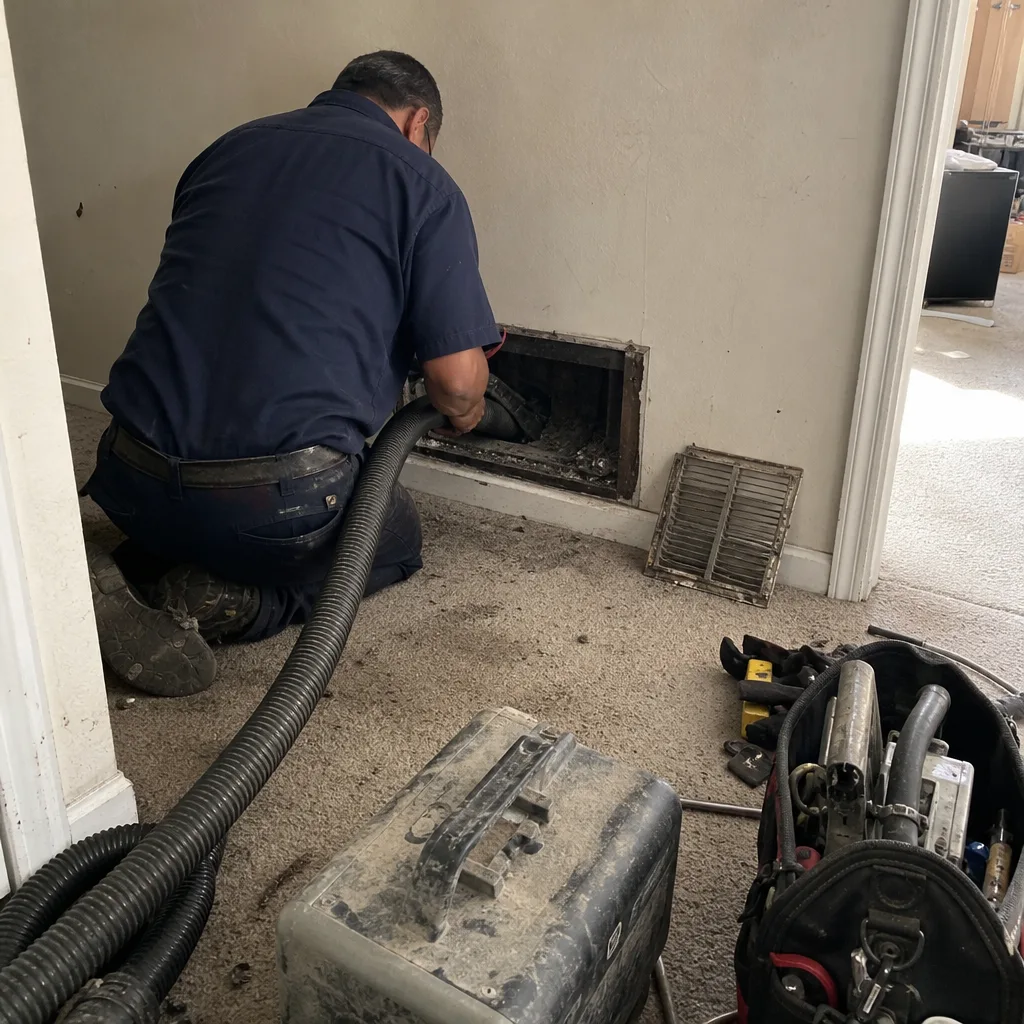 Before
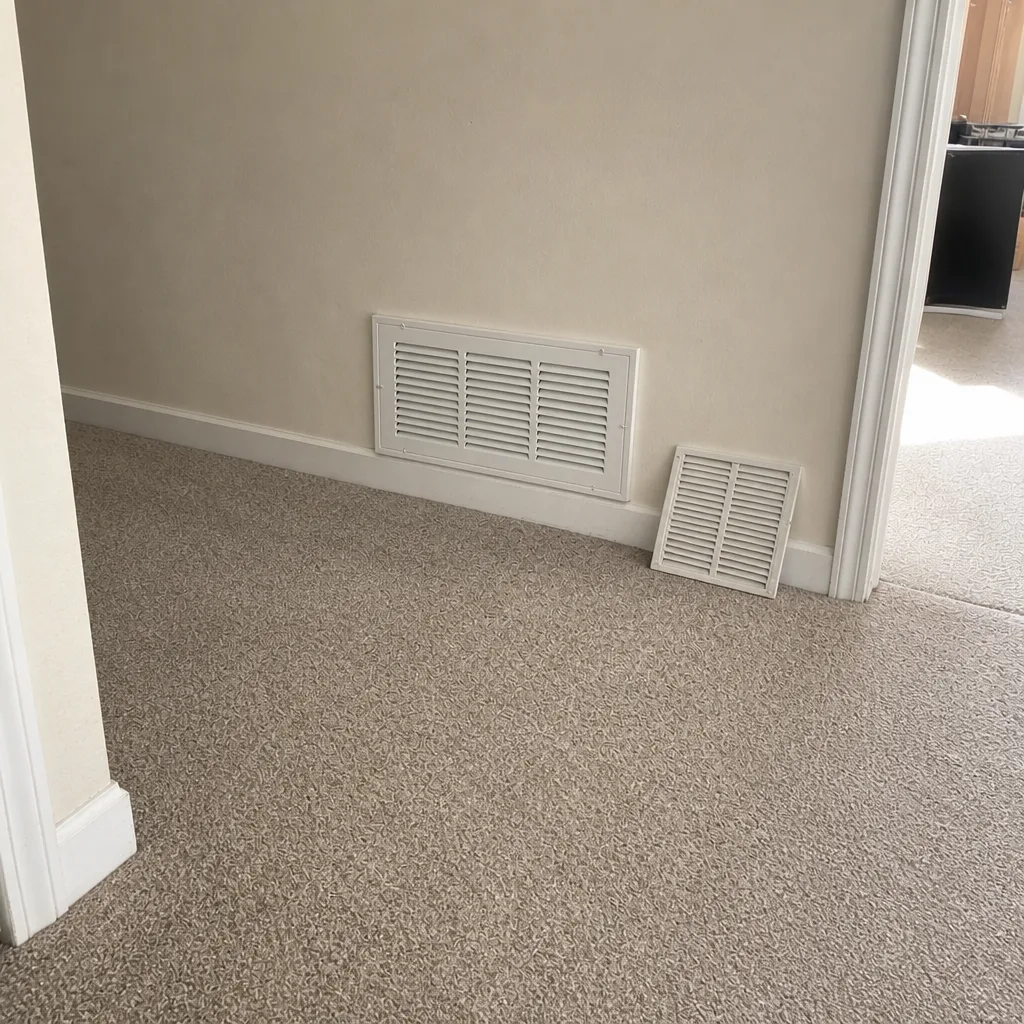 After
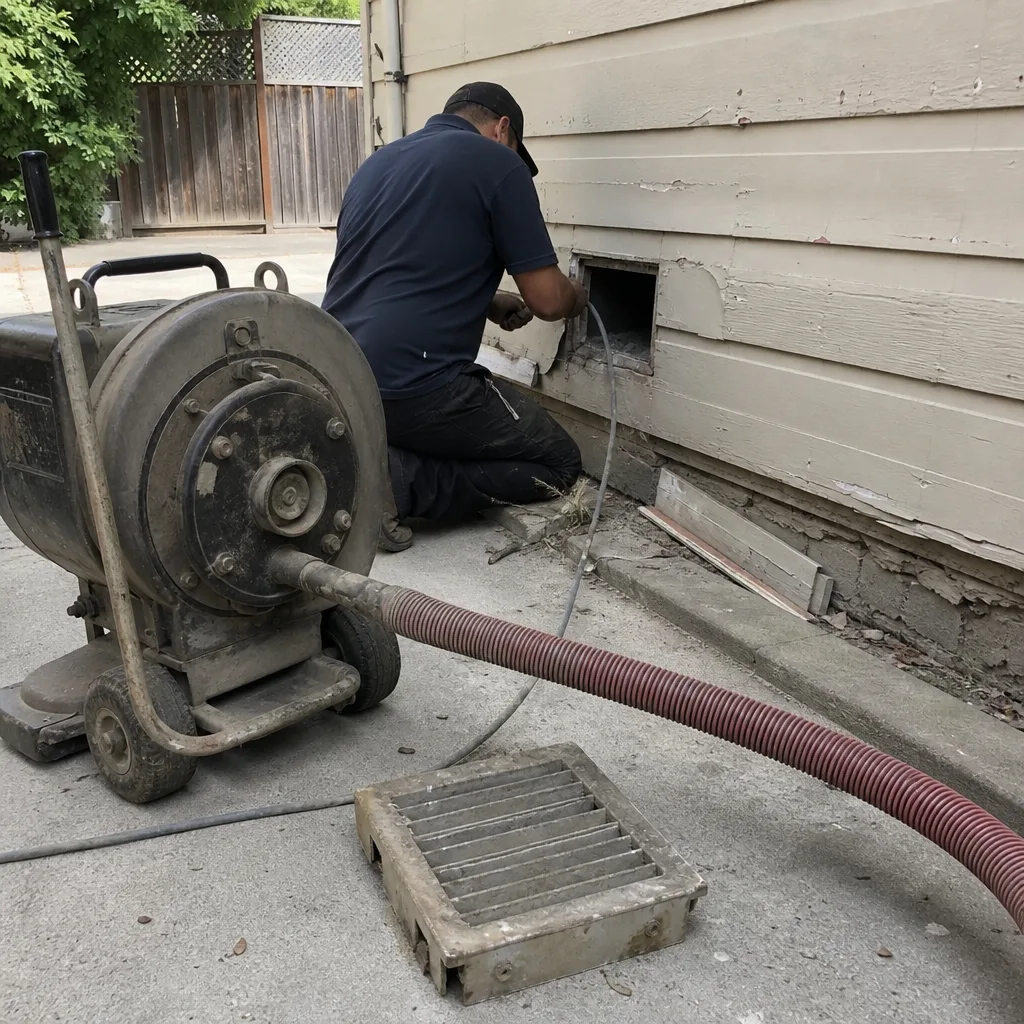 Before
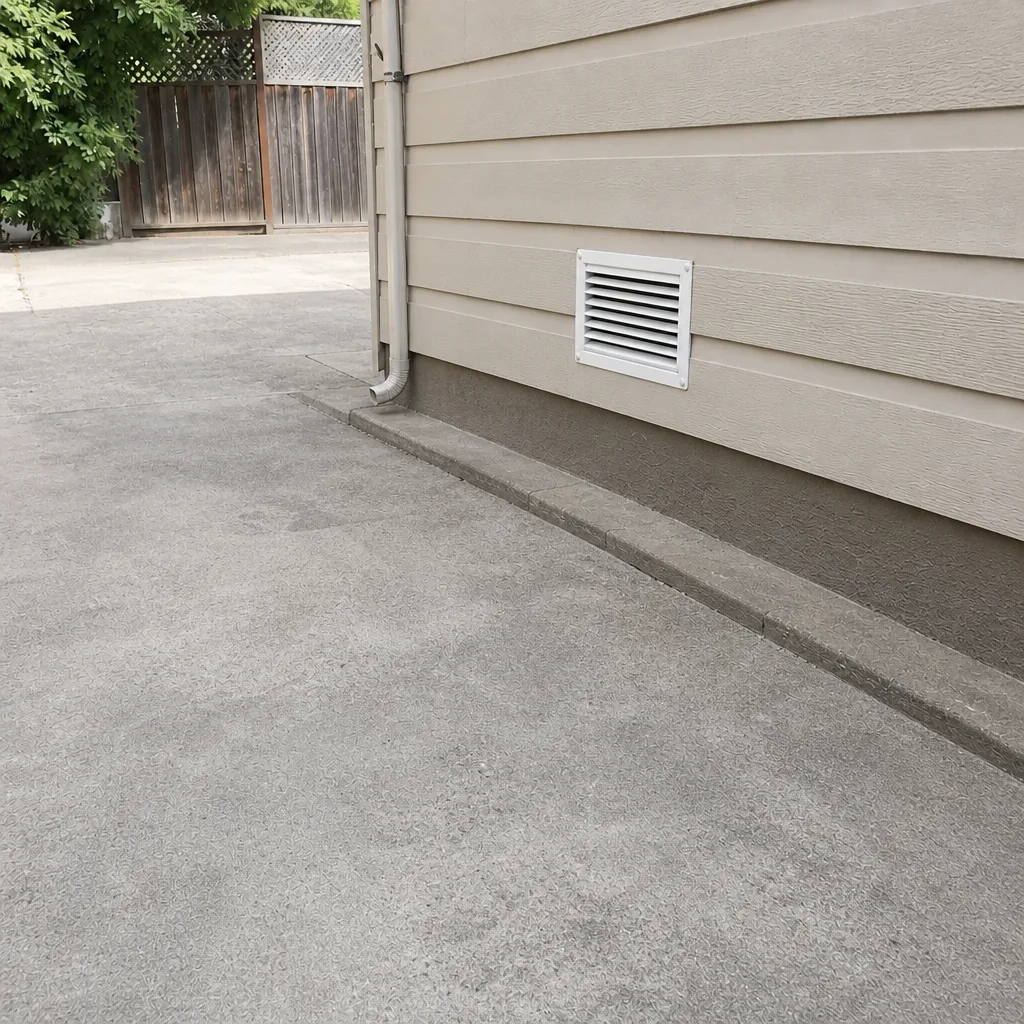 After
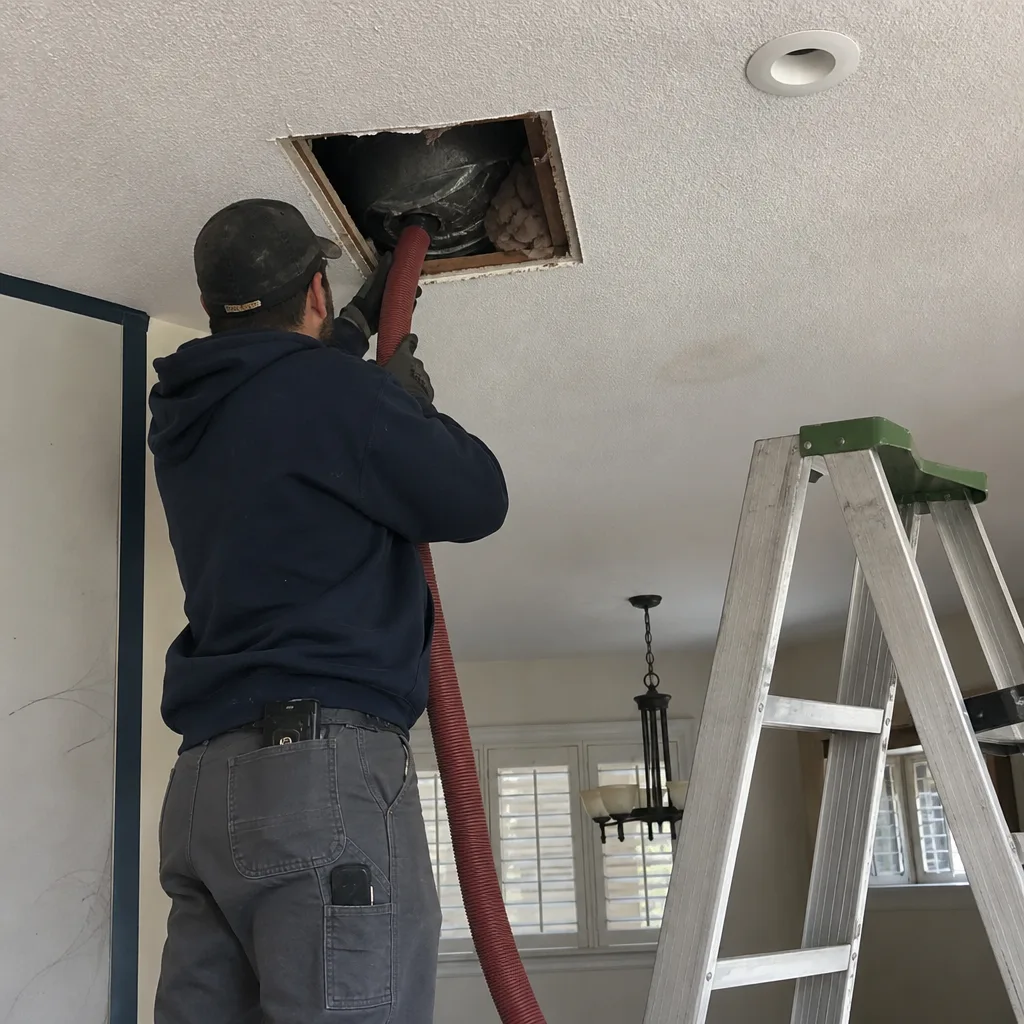 Before
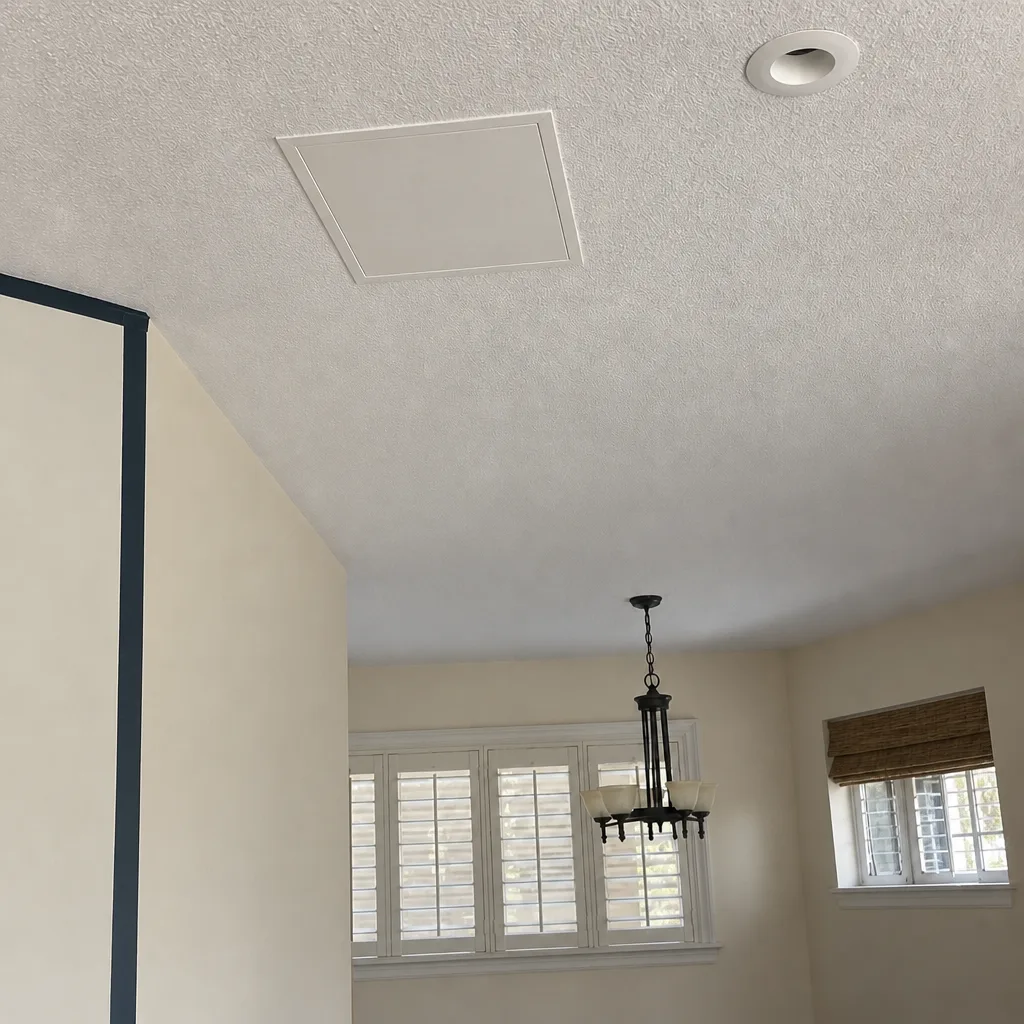 After