
Last updated November 4, 2026
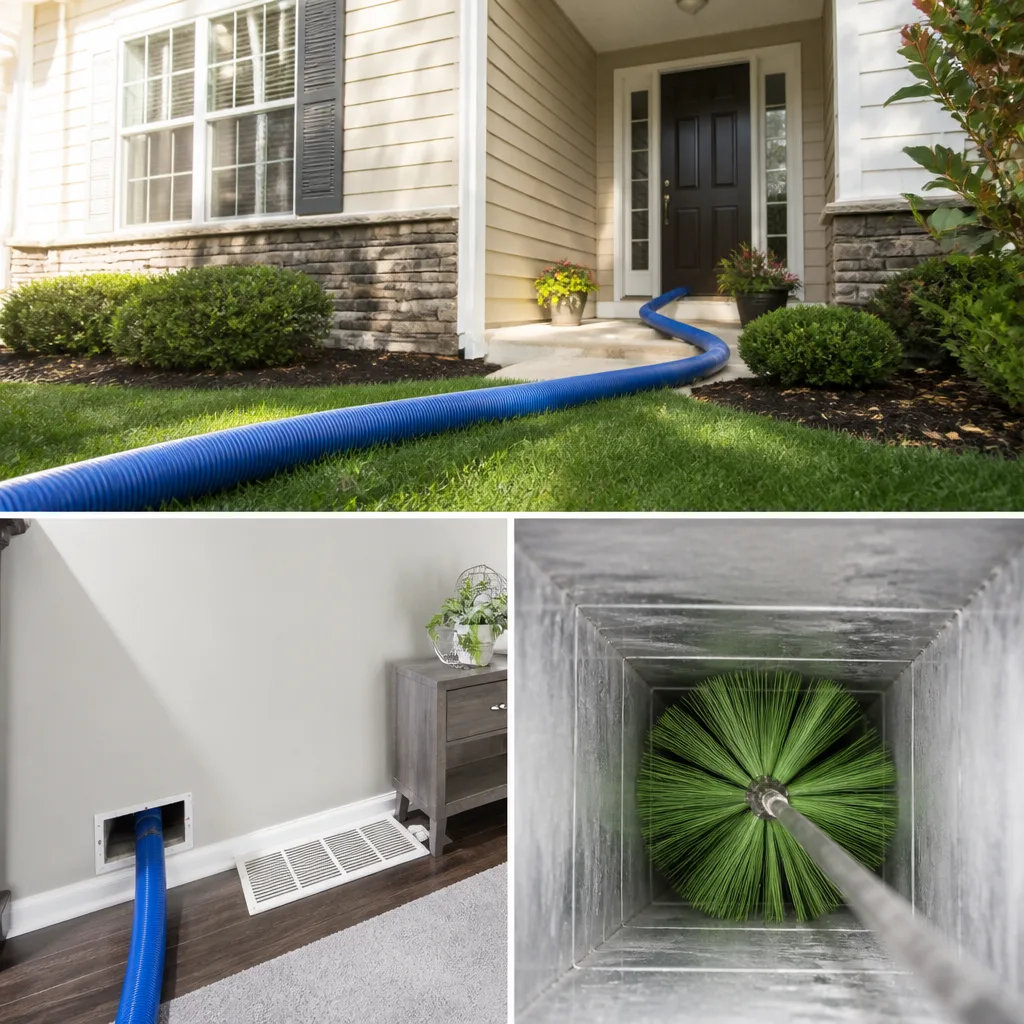 Whole-home duct cleaning
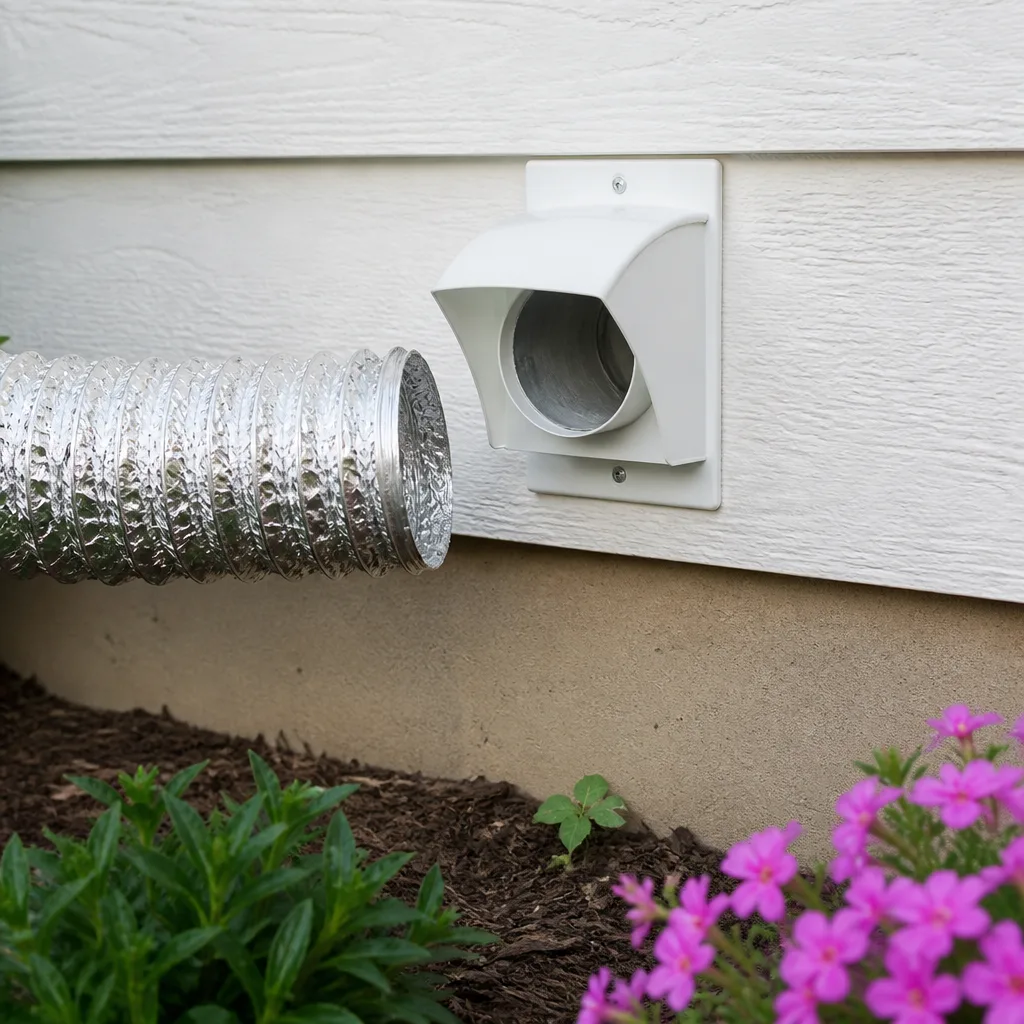 Dryer vent cleaning
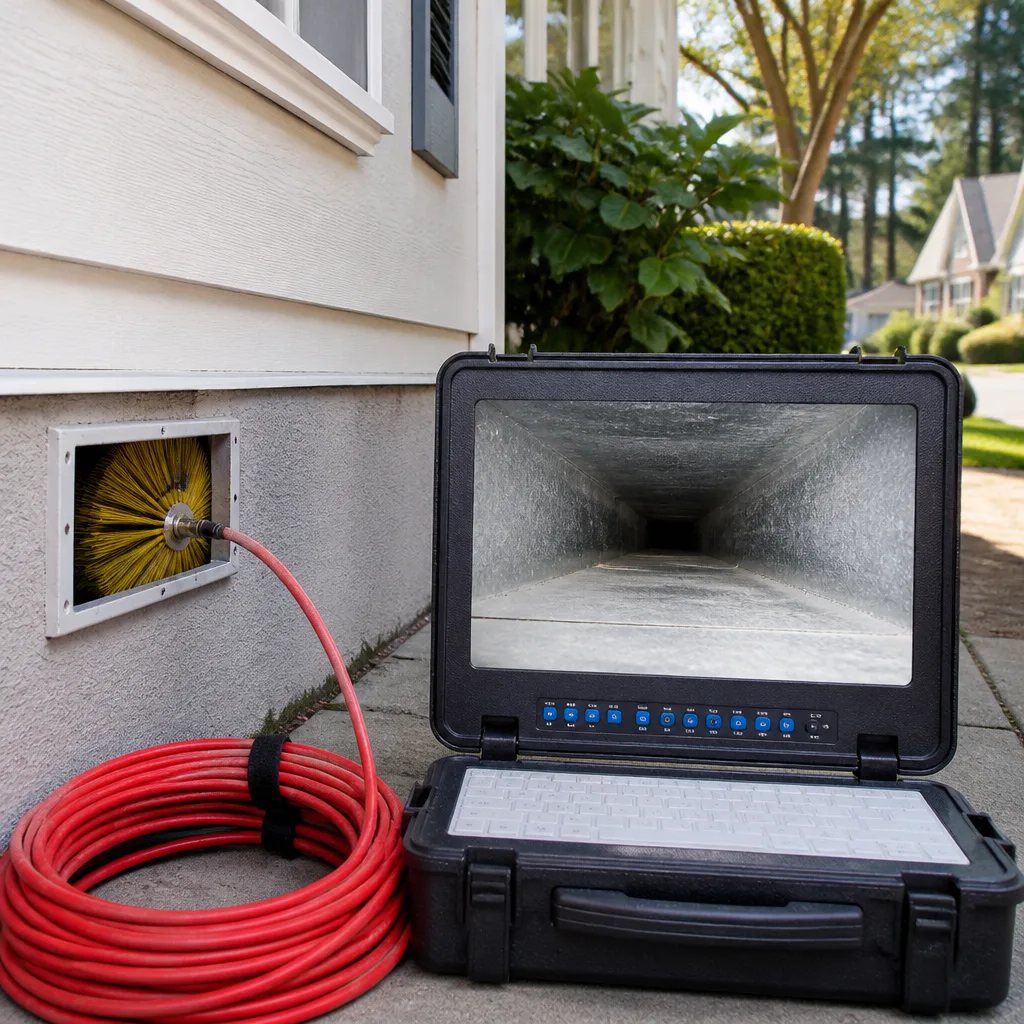 Camera inspection
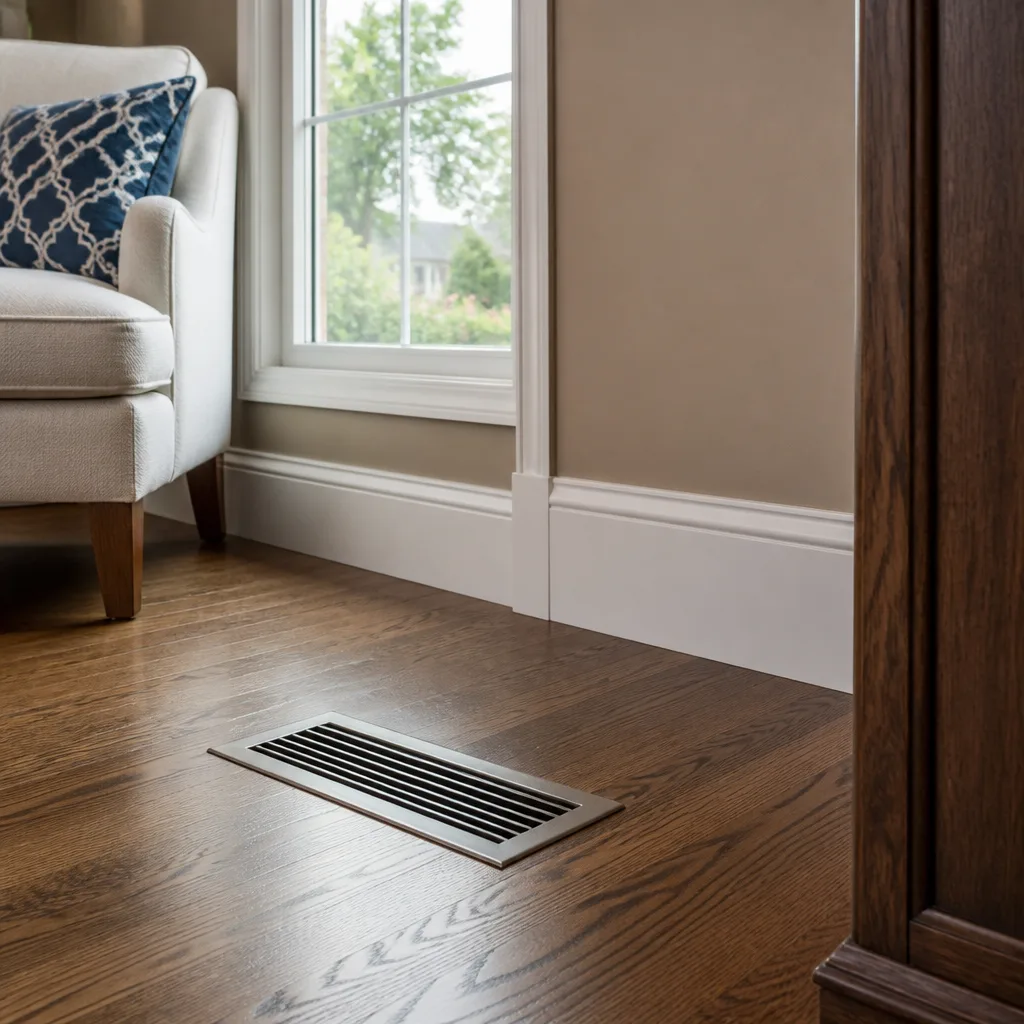 Sanitizing & deodorizing
Whole-system duct and dryer vent check with before-and-after photos - you see exactly what came out of your vents
That "$99 whole-house special" is a bait ad - the real number appears once they are in your hallway, or the "clean" is a shop-vac at the register. We photograph the inside of your ducts before and after instead.
Choosing the Right Air Duct Cleaning Brand: A Buyer’s Guide for Livermore
Most Livermore homeowners shop for duct cleaning by comparing company names, star ratings, and coupon prices. The companies themselves rarely talk about the machines they bring into your home, yet those machines determine whether the job actually removes contaminants or just disturbs them and spreads them through the living space. Rotobrush, Nikro, and Abatement Technologies are names most people have never heard of, and they are precisely the names that separate a cleaned duct system from a disturbed one. This guide explains how to choose a contractor based on the equipment brand and method, not the logo on the truck, so you can evaluate any air duct cleaning company in Livermore with technical confidence.
Styles & brands we work with
- Whole-home duct cleaning
- Dryer vent cleaning
- Camera inspection
- Sanitizing & deodorizing
Quick Answer
In duct cleaning, “brand” means the equipment manufacturer the contractor uses, not the company’s marketing identity. Ask your contractor to name their contact-cleaning system, their negative-air machine, and whether they use HEPA filtration, then verify that equipment is actually on the truck before the job starts. The right brands, Rotobrush for contact cleaning plus Nikro negative-air extraction, indicate a contractor who invested in commercial-grade infrastructure rather than a residential shop-vac setup.
Table of Contents
- The Three Equipment Categories That Define Professional Duct Cleaning
- What Rotobrush Contact Cleaning Actually Does
- Why Nikro Negative-Air Machines Matter More Than Speed
- How to Verify Equipment Before the Job Begins
- Commercial-Grade vs. Consumer Tools: How to Tell the Difference on a Walkthrough
- Why Livermore’s Housing Stock Makes Equipment Choice Critical
- Compatibility with Premium Air-Quality Systems: Honeywell, Aprilaire, and Guardsman
- Common Mistakes to Avoid
- When to Call a Professional
- Frequently Asked Questions
- The Bottom Line
The Three Equipment Categories That Define Professional Duct Cleaning
Professional duct cleaning in Livermore homes is not one activity performed by one machine. It is three distinct mechanical processes working in sequence: contact cleaning, negative-air extraction, and air-quality verification. A contractor who cannot name the equipment in each category is describing a service, not performing one.
Contact cleaning means physically scrubbing the interior surfaces of duct walls. This is not vacuuming loose dust from the floor of a duct. Duct interiors accumulate a film: dust bound with cooking grease, pet dander, pollen, and in Livermore’s dry summers, fine clay dust that settles and clings to metal and flex-duct surfaces. A vacuum alone moves air across that film and leaves the bonded material in place. Contact cleaning uses rotating brushes or agitation tools that make physical contact with duct-wall surfaces and break the bond, releasing the debris into the airstream for extraction.
Negative-air extraction is the second phase, and it is the one that determines whether dislodged debris leaves your home or recirculates into it. A negative-air machine connects to the duct system and creates a contained vacuum environment, pulling air through the ducts and through HEPA filters before it exits the machine. The machine must have enough airflow capacity, measured in cubic feet per minute, or CFM, to keep the entire branch line under negative pressure while agitation is happening. A machine with inadequate CFM creates a positive-pressure pocket somewhere in the system, and that is where dislodged dust escapes into your living room.
The third category, air-quality verification, includes instruments and practices that document the condition of the system before and after cleaning. This is where Abatement Technologies air-quality control equipment enters the picture. The same category of gear used in mold remediation and hazmat work is applied to residential duct service, and that speaks to a standard of containment that residential-only tooling cannot match.
Here is the breakdown of the three categories with specific brand benchmarks:
- Contact cleaning system: Rotobrush is the industry’s leading contact-cleaning platform for residential and light-commercial ductwork. It scrubs duct-wall surfaces mechanically rather than relying on loose debris to be carried by airflow.
- Negative-air extraction: Nikro negative-air systems are engineered for contained vacuum environments, with filtration stages designed to capture what the agitation releases.
- Air-quality verification and containment: Abatement Technologies equipment, the same standard used in professional remediation work, provides the containment and verification layer that separates thorough service from a visual once-over.
When you interview a contractor, run through all three categories. If they cannot name a machine for each, you are talking to a crew with a portable vacuum and a brush, no matter what their brochure says.
What Rotobrush Contact Cleaning Actually Does
The mechanical difference between Rotobrush and a brush-and-blow method is straightforward: Rotobrush scrubs. A rotating brush head makes physical contact with the full interior circumference of the duct, agitating the film that has bonded to the surface. Simultaneously, the same tooling extracts the dislodged material through an integrated vacuum path, so debris is removed at the point of agitation rather than pushed down the line. A brush on a rod pushed through a duct loosens some material and pushes the rest further into the system. That distinction matters in Livermore because the housing stock includes a substantial number of homes built in the 1970s through 1990s, and those duct systems have accumulated decades of bonded particulate.
The debris types common in Livermore’s older duct systems are not uniform. They include fine clay dust from the surrounding landscape, which enters homes through open windows during the warm months and settles into the ductwork. They include pet dander and hair from homes with cats and dogs. They include pollen from the valley oak and non-native trees that line many Livermore streets. And they include construction dust from the build-out of newer subdivisions, where drywall and framing debris find their way into duct systems before homeowners ever move in. None of these materials is heavy enough to fall out of a duct on its own. All of them bond to duct-wall surfaces and require mechanical agitation to remove.
Rotobrush contact cleaning addresses this because it treats the duct wall as the surface to be cleaned, not the air as the medium to be filtered. The system physically scrubs the surface while vacuuming at the point of contact. The difference between that and a vacuum-only approach is the difference between wiping a countertop and simply waving a fan over it. One removes the film. The other redistributes the loose fraction of it.
A contractor who uses Rotobrush has made a capital investment in a platform designed specifically for duct-wall contact. That investment is itself a signal. Residential consumer-grade equipment does not perform this function, and a contractor carrying Rotobrush is not improvising a duct cleaning service with general-purpose tools. When you ask about brand, Rotobrush is the benchmark name in contact cleaning, and a contractor who uses it can speak to how the mechanical agitation works, not just that it happens.
Why Nikro Negative-Air Machines Matter More Than Speed
A duct cleaning job is only as good as the containment around it. Agitation releases dust, dander, pollen, and whatever else has accumulated in the system. If the extraction side of the operation is undersized, a portion of that released material leaves the ducts and enters the home’s air. The result is a house that is dustier after the job than before it, and a homeowner who paid to have contaminants redistributed through the living space. This is the single most common failure mode in residential duct cleaning, and it is almost always a function of the negative-air machine, not the brush.
Nikro negative-air systems are designed specifically for this containment role. The machine connects to the duct system and pulls air through it under negative pressure, which means air is drawn into the ducts from the living space rather than leaking out of the ducts into the living space. The air then passes through filtration stages before it is exhausted. The relevant specification is the machine’s CFM rating, which must match the volume of the branch line being cleaned. A long branch run in a Livermore home with a distant return register needs more CFM than a short run close to the plenum. A contractor who cleans every job with the same single-stage vacuum is guessing about containment, and the guess is usually wrong on the long runs.
Negative-air capacity matters more than cleaning speed. A fast job with poor containment leaves the home dirtier. A slower job with proper negative-air pressure removes the dislodged material from the building envelope. The two outcomes look identical in the ductwork itself, which is why most homeowners cannot tell whether a job was done well. The difference shows up in the air quality in the weeks afterward, when the released dust either settles back into the system or stays gone.
Nikro machines, in professional configurations, include HEPA filtration stages. HEPA filters capture particles down to a size that standard vacuum filters pass right through, and that is the relevant distinction for allergy and asthma sufferers in Livermore. If the machine exhausts unfiltered air into the home, the finest fraction of the agitated dust, the sub-micron particles that lodge deepest in airways, goes straight back into the rooms where people sleep. A negative-air machine with HEPA filtration prevents that recirculation. The brand name is a proxy for the engineering: Nikro has built negative-air systems for remediation and professional cleaning applications, and the machines are designed around containment as the primary function, not extraction speed as a marketing number.
How to Verify Equipment Before the Job Begins
Asking a contractor to name their equipment is not enough. Names are easy to say. The verification step is what separates a credible contractor from a marketing operation, and it is simple to do. Here is the process:
- Ask for the make and model of the contact-cleaning system before the walkthrough. A contractor using Rotobrush will be able to tell you the machine model and how the brush head is sized to the duct dimensions. If the answer is vague, like “we have a special brush system,” the equipment is likely a generic portable vacuum with a brush attachment.
- Ask what CFM the negative-air machine produces. There is no single correct number for every home, but the contractor should be able to explain how they match machine capacity to the system being cleaned. An honest answer sounds like “we need at least this much CFM for a run this long.” A evasive answer sounds like “it’s very powerful.”
- Ask to see the equipment on the truck when the crew arrives. The truck should carry a contact-cleaning agitator and a negative-air machine, not a portable shop vac with a long hose. If the only visible equipment is a vacuum and a few hand tools, the job will be a vacuum pass, not a contact clean.
- Ask whether the extraction path includes HEPA filtration. HEPA is a specific filtration standard. If the machine’s exhaust goes through a standard bag or foam filter, it is reintroducing the finest particles into the home. A machine with a HEPA stage captures the sub-micron fraction.
- Ask how the system will be sealed during cleaning. Negative-air containment requires sealing the supply and return registers that are not being actively cleaned. If the contractor plans to leave registers open while agitating, the containment is compromised. A professional will seal the line being cleaned and will explain the seal-and-scrub sequence.
This verification process takes two minutes on the phone and thirty seconds at the truck. It is the single most effective screening tool a Livermore homeowner has, because equipment verifies itself. A contractor either has the machine or does not, and the machine either has the filtration stage or does not.
Commercial-Grade vs. Consumer Tools: How to Tell the Difference on a Walkthrough
The core distinction in the duct cleaning market is the infrastructure the contractor carries. Commercial-grade equipment is built for continuous professional use, designed around containment and mechanical agitation, and serviced as industrial machinery. Consumer tools are built for occasional use, move air rather than scrub surfaces, and filter to household vacuum standards. The two categories are visible if you know what to look for, and a walkthrough is the best time to look.
Start with the truck. A contractor carrying commercial-grade infrastructure will have a negative-air machine that is a standalone unit, often mounted or wheeled, with visible filtration housing. The machine will have a nameplate. A contractor carrying consumer tools will have a portable vacuum, perhaps a larger shop-vac, with a hose assembly and no filtration housing beyond the vacuum’s internal bag. One is a containment system. The other is a suction device.
Look at the agitation tooling. Commercial contact cleaning uses powered rotating brush heads sized to the duct, driven by a motor assembly, with an integrated vacuum path at the brush head. Consumer cleaning uses a manual brush or a flexible rod with a round brush on the end, pushed through the duct by hand. The difference is visible immediately. A powered Rotobrush head is a machine. A rod-and-brush is a tool.
Ask about the filtration stages. A negative-air machine used in professional cleaning or remediation has multi-stage filtration: a pre-filter for large debris, an intermediate filter, and a HEPA final stage. A consumer vacuum has one filter, possibly a washable foam sleeve over a pleated element. If the contractor cannot show you the filter stack on their machine, the machine does not have one.
Finally, ask about the sequence of operations. A commercial-grade cleaning follows a defined order: seal the system, connect negative air, agitate each branch, extract while agitating, then verify. A consumer-grade cleaning is a simpler pass: insert a hose, move it around, withdraw, and declare the job done. The sequence is the method, and the method follows from the equipment. A contractor who has invested in Rotobrush, Nikro, and Abatement Technologies equipment has also invested in the training and procedure that the equipment requires. The tools and the method cannot be separated.
In our experience walking through Livermore homes, the difference shows up most clearly in the results. A contact-clean with contained extraction removes material that a vacuum pass cannot touch, and the homeowner notices it in the weeks after the service, when dust levels stay low instead of rebounding. The equipment is the honest signal. The truck either carries it or does not.
Key Takeaways: Equipment Signals to Check
- A Rotobrush contact-cleaning head means physical scrubbing of duct-wall surfaces, not just air movement.
- A Nikro negative-air machine with HEPA filtration means contaminants are captured at the source and contained, not redistributed.
- Abatement Technologies air-quality control equipment means the same containment standard used in professional remediation work is applied to residential ducts.
- A contractor who can show you the filter stack and explain the CFM rating is operating commercial-grade infrastructure. One who cannot is operating a vacuum.
Why Livermore’s Housing Stock Makes Equipment Choice Critical
Livermore’s residential duct systems are not uniform, and the housing stock creates specific challenges that a generic cleaning method does not address. The city includes a large inventory of homes built from the 1960s through the 1990s, many of which have original or lightly modified ductwork. These systems have accumulated particulate over decades, and the debris is typically bonded to duct-wall surfaces rather than lying loose in the bottom of the duct. Loose debris can be vacuumed. Bonded film must be scrubbed. The equipment decision determines whether that scrubbing happens.
The climate adds another layer. Livermore’s warm, dry summers and mild winters mean windows are open for long stretches of the year, and the surrounding landscape contributes fine dust that enters homes and settles into the duct system. This dust is small enough to pass through standard furnace filters and light enough to stay suspended until it reaches the duct walls, where it binds with whatever else is present: cooking grease, pet dander, pollen. The result is a film that resists airflow and reduces system efficiency, and the removal of that film requires contact agitation, not suction alone.
Newer construction in Livermore has its own issue. Homes built during the area’s growth periods often contain construction dust: drywall particles, sawdust, and framing debris that entered the ducts before the homeowners moved in. In many cases, the furnace was run during construction, drawing fine material into the supply and return lines. A homeowner who has never had the ducts cleaned may be breathing construction dust from a job completed years earlier. Contact cleaning with negative-air extraction removes the material that has settled into the system since the home was built, and no vacuum-only pass can address it.
The point for a Livermore homeowner is this: the equipment decision is not a preference. It is a match between the method and the specific conditions of the home. Older duct systems with bonded film need mechanical agitation. Long branch runs need negative-air capacity sufficient to keep the entire line under negative pressure. Homes with active allergy sufferers need HEPA filtration on the extraction side so the finest particles do not recirculate. A contractor who arrives with a vacuum and a brush can perform none of these functions, regardless of their good intentions. The brand of equipment determines whether the method can actually do what the home requires.
Compatibility with Premium Air-Quality Systems: Honeywell, Aprilaire, and Guardsman
Duct cleaning does not happen in isolation. Many Livermore homes carry premium indoor air quality systems: Honeywell filters and thermostats, Aprilaire humidifiers and media air cleaners, Guardsman air-treatment components. These systems work as a chain, and the ductwork is the path that connects them all. A contractor who understands only the ducts, and not the air-treatment equipment attached to them, can clean the ducts and compromise the system in the process.
A technician trained on Honeywell, Aprilaire, and Guardsman systems understands what those systems do and how they interact with the ductwork. Honeywell filtration and control systems are sensitive to airflow and static pressure; an incorrectly sealed return or a dislodged filter housing affects their performance. Aprilaire systems, whether humidifiers or media air cleaners, rely on correct airflow and sealed duct connections; a cleaning process that leaves a gap in the return line degrades their function. Guardsman air-treatment components are part of an integrated approach to indoor air quality, and they require the same respect. The point is not that duct cleaning damages these systems. The point is that a technician who knows them can clean the ducts without disturbing the equipment, and can assess the full air-treatment chain while doing so.
This integrated understanding is part of what separates a professional-grade contractor from a one-task cleaning crew. A contractor who recognizes Honeywell and Aprilaire components during a walkthrough knows what they are looking at and can plan the cleaning sequence accordingly. A contractor who does not recognize them is working blind around equipment they do not understand. The ductwork in a Livermore home with an Aprilaire media air cleaner is not just a metal channel. It is part of a system that includes filtration, airflow, and possibly humidity control, and the cleaning method needs to respect the whole system.
For a homeowner who has invested in premium IAQ equipment, the contractor’s brand literacy is a practical consideration. Ask during the walkthrough whether the technician recognizes the IAQ components in the home and can explain how the duct cleaning will interact with them. An informed answer demonstrates that the contractor sees the home’s air system as a whole. A blank look is a signal that the ductwork will be treated as an isolated set of tubes, and the air-treatment equipment will be left out of the planning.
Common Mistakes to Avoid
- Choosing a contractor by coupon price. Duct cleaning is equipment-intensive work, and the price reflects the method. A low coupon price almost always means a vacuum pass with consumer tools, which leaves the bonded film in place and may redistribute loose dust into the living space.
- Not asking about the negative-air machine. Agitation without adequate extraction releases dust into the home. A contractor who cannot name their negative-air machine, or who has none, is performing an uncontrolled disturbance, not a contained cleaning.
- Accepting “we use HEPA filters” as an answer. HEPA is a filtration standard, and it only matters if the extraction machine actually has a HEPA stage. Ask to see the filter. If the filter stack is not visible, the HEPA claim is unverifiable.
- Skipping the equipment walkthrough. A two-minute look at the truck tells you more than any online review. Commercial-grade equipment is identifiable by sight: a standalone negative-air machine, a powered contact-cleaning head, and visible multi-stage filtration.
- Treating all ducts as the same. Livermore’s older homes have bonded film in the ducts that requires mechanical scrubbing. Newer homes may have construction dust that has settled over years. The method needs to match the home, and the method follows from the equipment.
- Cleaning without considering the IAQ system. If the home carries Honeywell, Aprilaire, or Guardsman components, the duct cleaning should be planned around them. A contractor who does not recognize the equipment cannot account for it.
- Measuring the job by how fast it went. Speed is not a quality metric in duct cleaning. A fast job with poor containment leaves the home dustier. A thorough job with proper negative-air pressure takes the time the system requires.
When to Call a Professional
Call a professional duct cleaning company in Livermore when you notice dust accumulating on surfaces within days of cleaning, when allergy symptoms worsen at home but improve away from it, when airflow from certain registers is noticeably weaker than others, or when you detect a musty odor that persists after changing the furnace filter. These are signals that the duct system is holding material that no furnace filter can address. A professional contact cleaning with negative-air extraction removes what the filter cannot, and a repair evaluation catches leaks, disconnects, and damaged runs that compromise the whole system. Duct Cleaning Livermore offers free estimates in Livermore. Call (833) 593-6464 to schedule one. We answer 24/7. Fast dispatch from 7am to 7pm, Sunday through Friday.
Frequently Asked Questions
In duct cleaning, the relevant brands are the equipment manufacturers: Rotobrush for contact cleaning, Nikro for negative-air extraction, Abatement Technologies for containment and air-quality control. The brand on the company’s logo has no mechanical effect on the job. The machines the company carries do.
Ask for the make and model of the contact-cleaning system and the negative-air machine, then ask to see the equipment on the truck when the crew arrives. Look for a powered brushing head rather than a rod-and-brush, and a standalone negative-air machine with a visible multi-stage filter stack. Call (833) 593-6464 for an equipment walkthrough before you commit.
Negative-air extraction creates a contained vacuum environment during cleaning, pulling dislodged debris through HEPA filtration instead of letting it recirculate into the living space. It is the difference between removing contaminants and redistributing them, and it matters most in homes where allergy sufferers live.
Yes, but only if the method actually removes the fine particles from the system. Contact cleaning scrubs the bonded film where pollen, dander, and fine clay dust accumulate, and HEPA-filtered negative-air extraction captures the released material. A vacuum pass leaves the fine fraction in the ducts.
Most homes benefit from a professional cleaning every three to five years, depending on pets, occupant sensitivity, and whether the home has had construction work. A home with active allergy sufferers or a history of construction dust may need it sooner.
Not always. Some companies clean but do not repair, which means leaks and disconnects found during the cleaning go unaddressed. A contractor who offers air duct repair alongside cleaning and dryer vent cleaning can restore the full system in one visit, not just clean the accessible portion. Call (833) 593-6464 for a full assessment.
The Bottom Line
The air duct cleaning decision in Livermore comes down to one question: does the contractor carry the equipment to actually clean the ducts, or only the equipment to move air through them? Rotobrush contact cleaning scrubs the bonded film that a vacuum cannot touch. Nikro negative-air extraction contains what the scrubbing releases. Abatement Technologies air-quality controls apply a remediation-grade standard to a residential system. If a contractor can name these machines, show them to you, and explain how they work together, you are evaluating a professional operation. If not, you are evaluating a vacuum pass. The estimate is free. The question is not. Call (833) 593-6464 for a free estimate in Livermore. We answer 24/7. Fast dispatch from 7am to 7pm, Sunday through Friday.
Written by the team at Duct Cleaning Livermore, serving Livermore since 2015.
See the difference
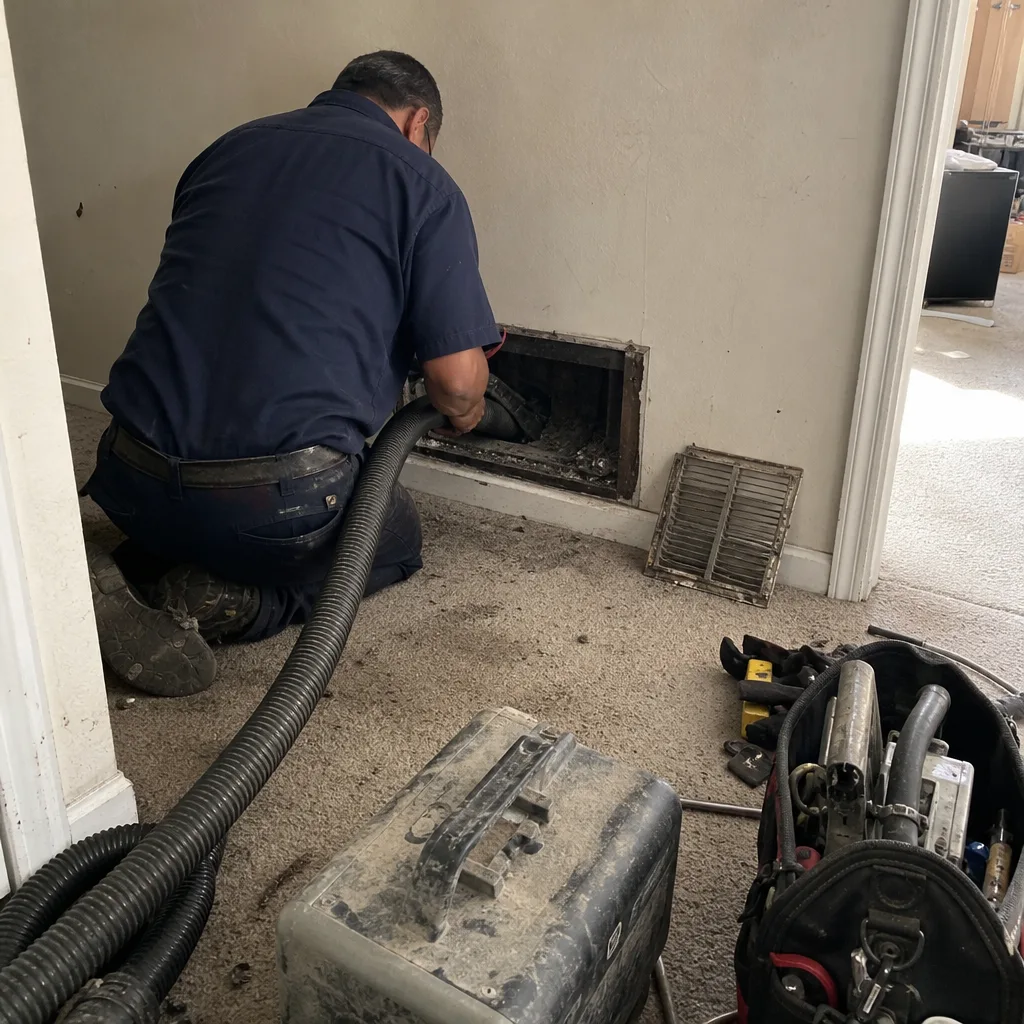 Before
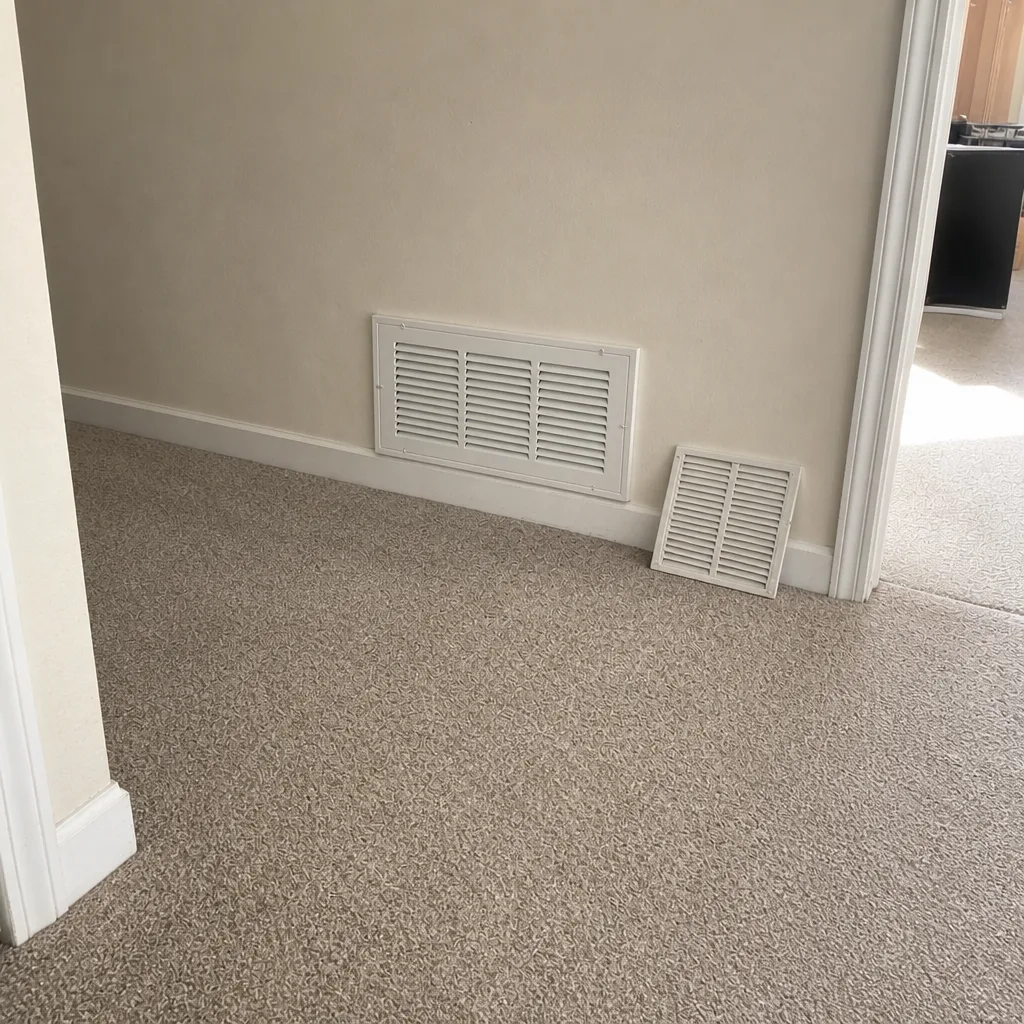 After
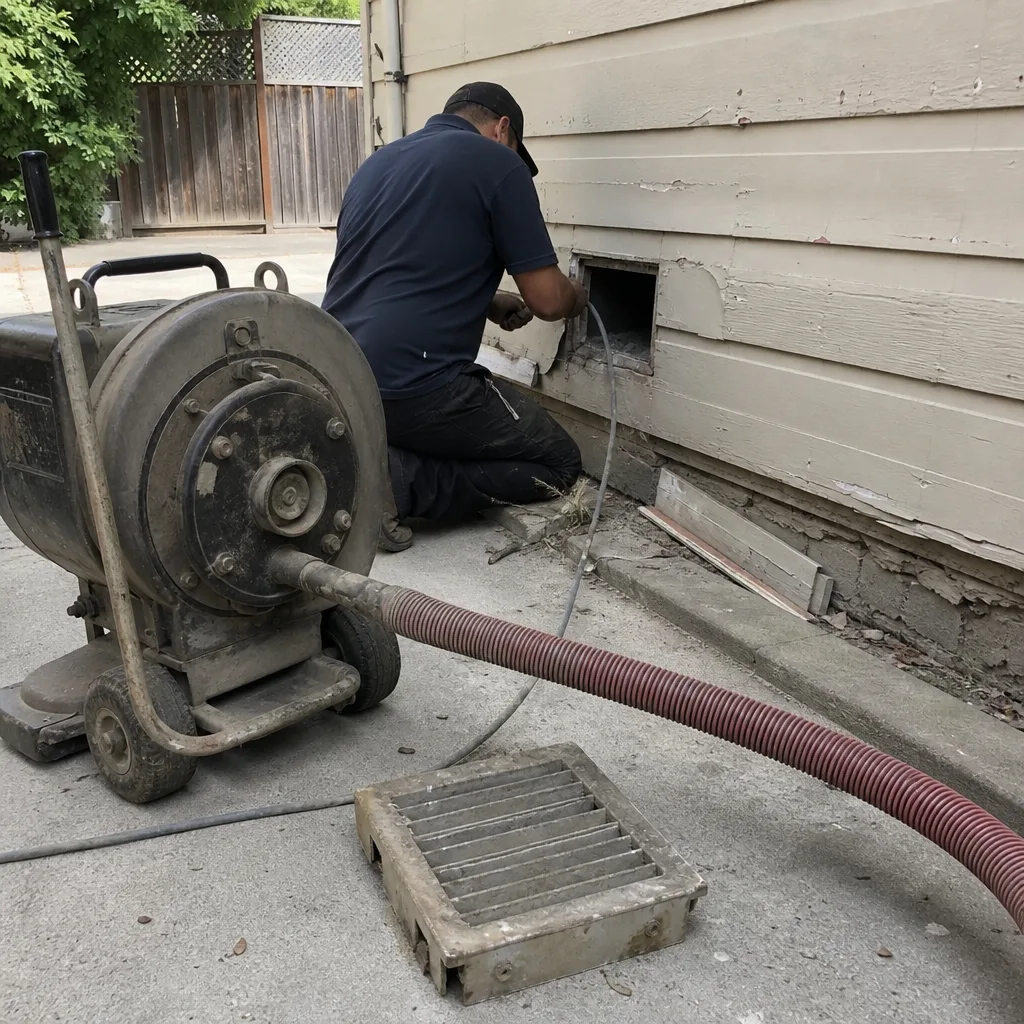 Before
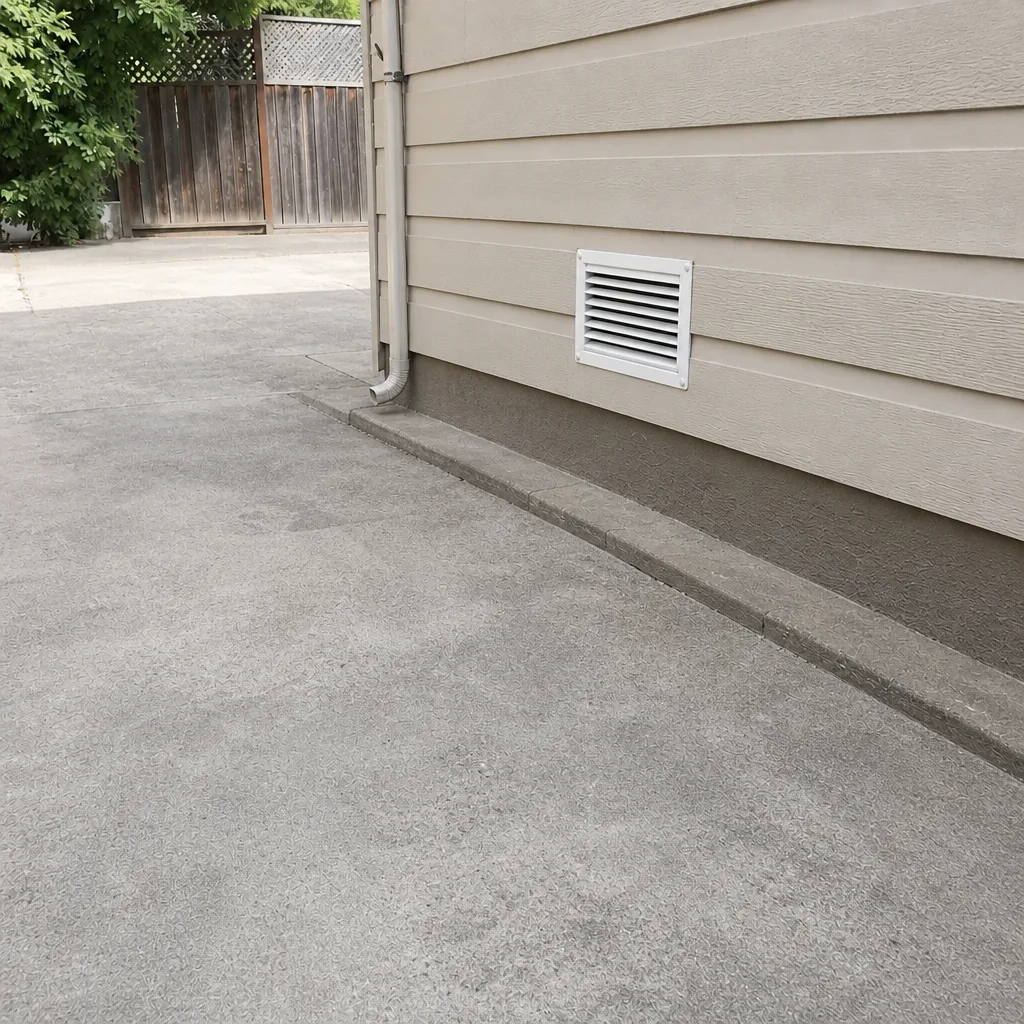 After
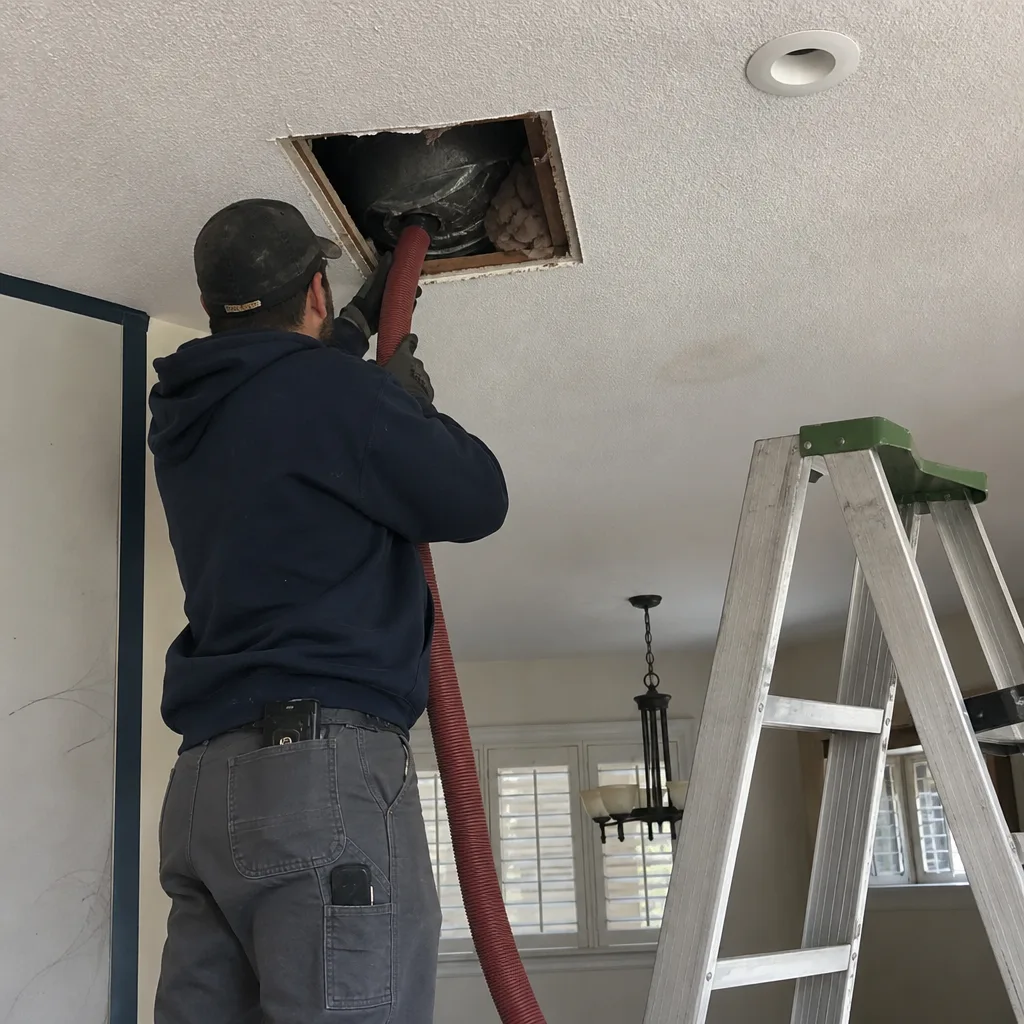 Before
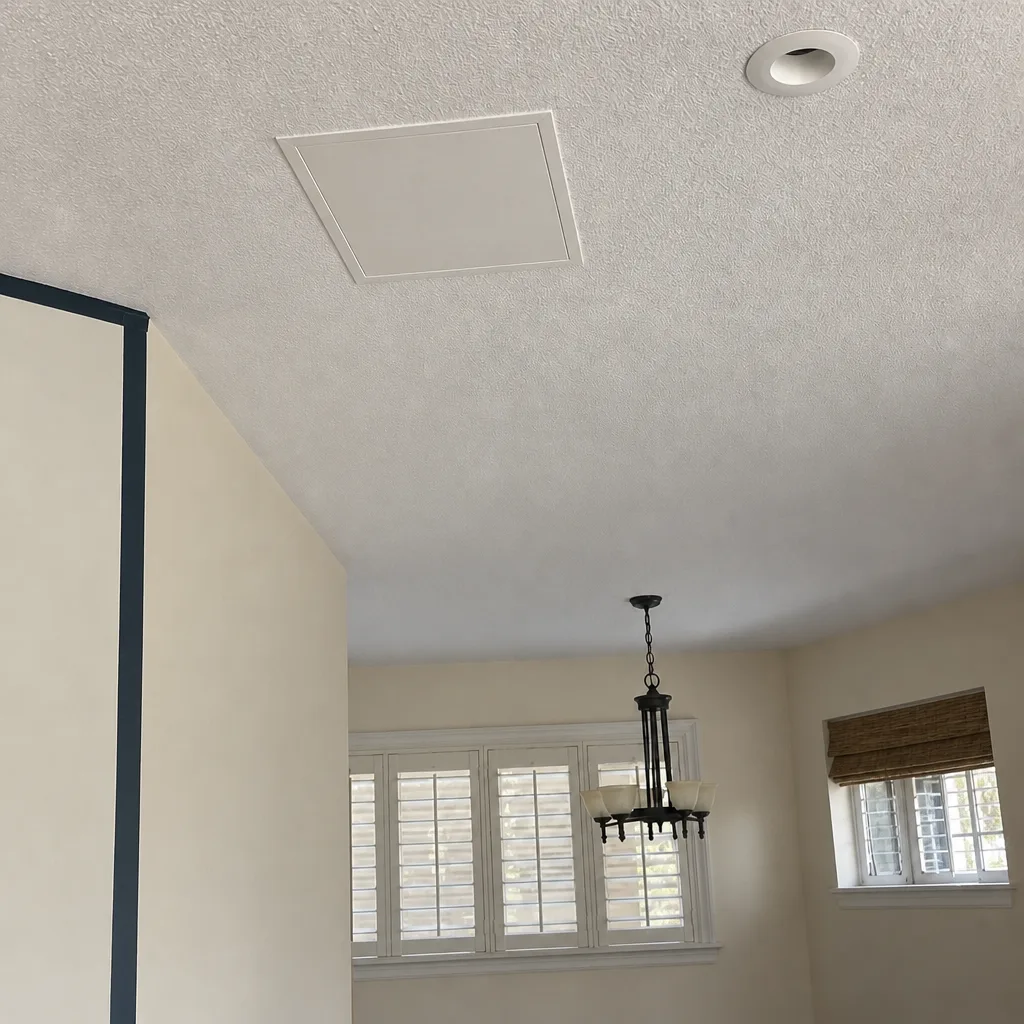 After