
Last updated November 4, 2026
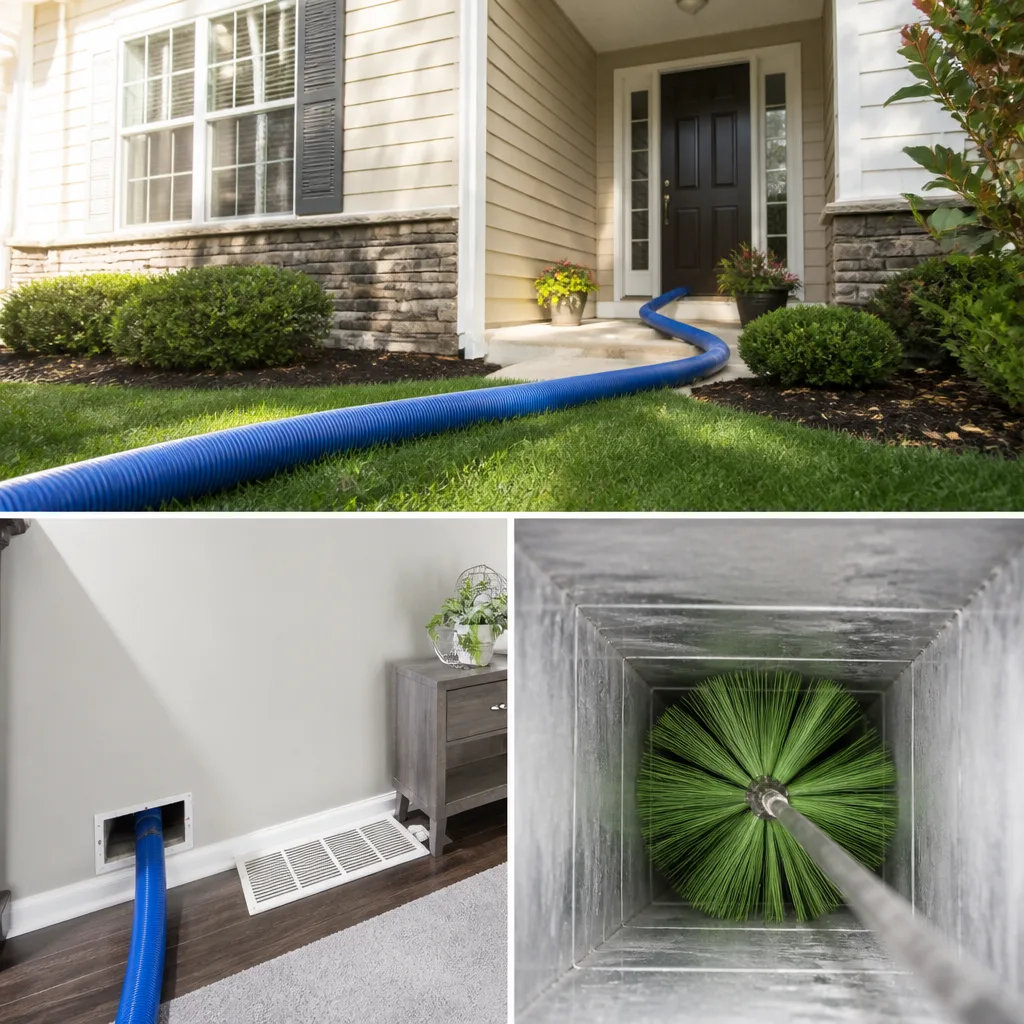 Whole-home duct cleaning
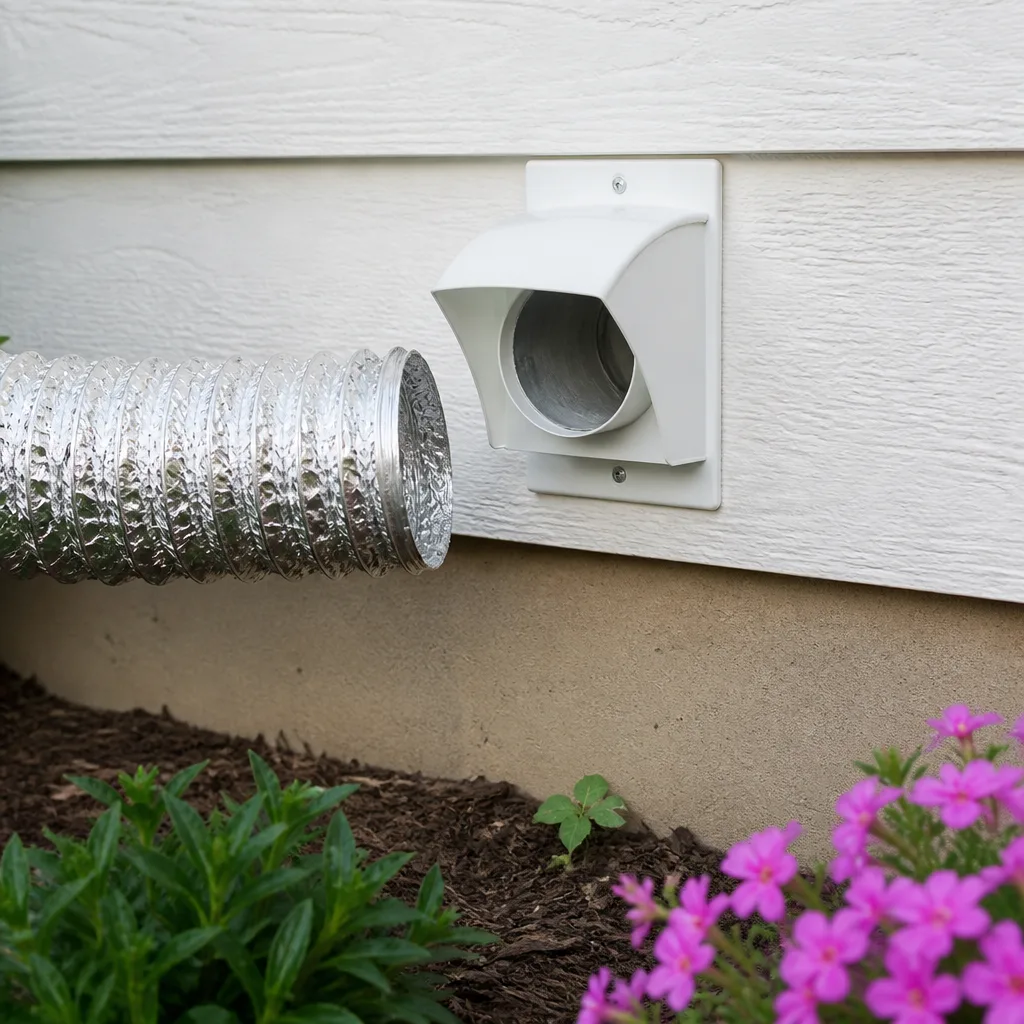 Dryer vent cleaning
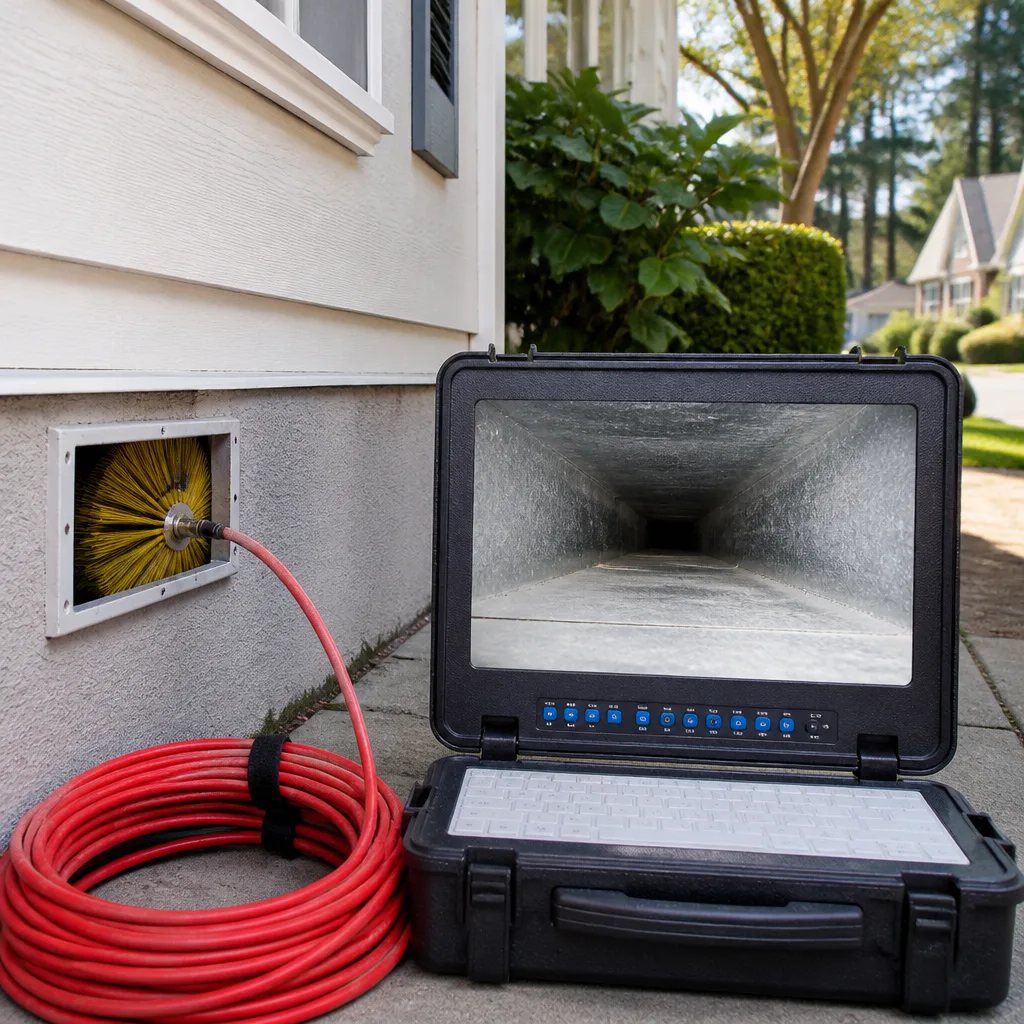 Camera inspection
 Sanitizing & deodorizing
Whole-system duct and dryer vent check with before-and-after photos - you see exactly what came out of your vents
That "$99 whole-house special" is a bait ad - the real number appears once they are in your hallway, or the "clean" is a shop-vac at the register. We photograph the inside of your ducts before and after instead.
Air Duct Cleaning Permits, Codes & Inspections in Livermore, CA: What You Need to Know
Most homeowners assume the only regulatory question around air duct cleaning is whether to hire a company that shows up on time. The cleaning itself rarely triggers a permit in Livermore. What most people miss is that the duct repairs, sealing, and modification work that often surfaces *during* a cleaning can cross into territory the city regulates, and undocumented work has a way of reappearing at the worst possible moment: a home sale, an insurance claim, or an energy-efficiency audit. This guide explains where the line actually sits in Livermore, what codes apply, and how to keep your duct system from becoming a title-company headache.
Styles & brands we work with
- Whole-home duct cleaning
- Dryer vent cleaning
- Camera inspection
- Sanitizing & deodorizing
Quick Answer
Routine air duct cleaning in Livermore does not require a permit, but duct replacement, substantial duct modification, and certain furnace-connected work do fall under California Mechanical Code Section 601 and City of Livermore building department review. Sealing work tied to Title 24 energy compliance should be documented, and homeowners in newer planned communities should check HOA rules before scheduling invasive work. When in doubt, call Livermore’s building department at (833) 593-6464 and describe the specific repair.
Table of Contents
- What Requires a Permit vs. What’s Maintenance in Livermore
- California Mechanical Code Section 601: The Baseline
- Title 24 and Duct Sealing: Why Documentation Matters
- HOA Considerations in Livermore’s Planned Communities
- How to Request a Duct Inspection from Livermore’s Building Department
- What Inspectors Actually Look For
- Common Mistakes to Avoid
- When to Call a Professional
- Frequently Asked Questions
- The Bottom Line
What Requires a Permit vs. What’s Maintenance in Livermore
Here’s the first thing to understand: Livermore treats air duct cleaning as maintenance, not construction. Vacuuming out accumulated dust, debris, and pet hair from the interior surfaces of your duct system doesn’t alter the structure, doesn’t change airflow design, and doesn’t touch the mechanical operation of your furnace. The city’s building department doesn’t need to know about it. Neither does your insurance company.
The line moves when work stops being about removing what’s inside the ducts and starts being about changing the ducts themselves. Replacing a rusted section of trunk line, re-routing a supply branch, enlarging a return, or adding a new register all constitute modification of a mechanical system. Once you’re modifying, Livermore’s permitting authority kicks in under California Mechanical Code Section 601’s umbrella. A common scenario we encounter: a technician cleaning your ducts finds a disconnected trunk line that’s been leaking conditioned air into the crawlspace or attic for years. Reconnecting it with sheet metal screws and foil tape is arguably repair, but if the section is collapsed or severely corroded and needs replacement, that’s where we recommend stopping and calling the building department first.
Maintenance (No Permit)
- Source removal cleaning of duct interior surfaces using contact or negative-air equipment
- Replacing a standard air filter
- Cleaning the blower fan and evaporator coil (when accessible without disconnecting refrigerant lines)
- Vacuuming out a return air chase
- Cleaning and minor repainting of registers and grilles
Permit Territory (Call First)
- Replacing any section of sheet metal duct longer than a few feet
- Rerouting a duct run through a wall, floor, or ceiling cavity
- Adding or removing supply registers or return grilles
- Installing a new return air duct to solve an airflow imbalance
- Resealing the entire duct system with aerosolized sealant as part of an energy retrofit
California Mechanical Code Section 601: The Baseline
Section 601 of the California Mechanical Code is the chapter Livermore inspectors reference when evaluating duct installations and modifications. It addresses air distribution systems, duct construction standards, and the conditions under which mechanical work requires an inspection. The code does not concern itself with whether your ducts are dusty. It concerns itself with whether the system is constructed and installed to safely move air without leaking into places air shouldn’t go.
For Livermore homeowners, the practical takeaways are threefold. First, any new ductwork installed after a repair or modification must meet the code’s materials and fabrication standards: galvanized steel, aluminum, or approved flex duct with proper support and no obstructed runs. Second, joints and seams need to be sealed with approved mastics or tapes, not just left raw. Third, modifications that change the system’s air volume or distribution pattern must not reduce airflow below what the furnace manufacturer specified. The code’s intent is air system performance and fire safety: ducts installed improperly can overheat, separate, or channel smoke through wall cavities.
What Section 601 Red Flags Look Like in Real Life
- Duct tape used on joints instead of UL-listed foil tape or mastic. The gray fabric “duct” tape has no place in a code-compliant system
- Flex duct compressed or kinked in a short run. Flex duct needs to be pulled snug, not stuffed
- Duct runs sagging more than 1/2 inch per foot between supports
- Returns drawing air from a garage or crawlspace (a serious code violation, since this can draw carbon monoxide or soil gases into the house)
- Undersized returns causing static pressure problems that shorten furnace life
Title 24 and Duct Sealing: Why Documentation Matters
Title 24 of the California Code of Regulations sets energy efficiency standards for buildings, and duct leakage is one of its biggest targets. A poorly sealed duct system can leak 20 to 30 percent of conditioned air into attics and crawlspaces. California’s energy code has specific leakage testing requirements when HVAC equipment or ducts are substantially altered or replaced. This is where a “simple” duct sealing job can become a documentation problem.
Here’s the scenario we see in Livermore often enough to mention: a homeowner decides to seal their ducts as part of a larger efficiency push. The sealing itself may or may not trigger a permit, depending on the scope. But if the homeowner later wants to claim the work for a Title 24 compliance credit, sell the house with a home energy rating, or satisfy a buyer’s inspector that the system meets current code, the work needs to be done by someone who can document it properly. That means a HERS rater or a technician who understands the testing protocol, not just someone who sprays a can of mastic around the supply plenum. A technician who seals ducts without documentation may have improved your comfort, but they’ve left you without the paper trail that turns comfort into equity.
We work with Honeywell and Guardsman IAQ components in many Livermore homes, and we consistently tell clients: if the goal is documented efficiency, the paper matters as much as the product. The written record is what a future buyer’s inspector or a Title 24 verifier will ask to see.
HOA Considerations in Livermore’s Planned Communities
Livermore has grown through planned communities, particularly on the north and southeast edges of town, and many carry HOAs with architectural review provisions that extend beyond paint colors and fence heights. If your home is attached or shares HVAC infrastructure through a common wall or rooftop chase, duct work in what looks like “your” space may technically be managed by the association.
Before invasive duct cleaning or any repair work, check your CC&Rs for two things. First, look for language about “mechanical rooms,” “utility chases,” or “common area HVAC.” Second, look for a notification requirement: some associations require written notice before contractors perform work that opens walls, bolts equipment to a shared roof, or runs a vacuum hose through common corridors. It’s rarely complicated, but a simple email to your management company can prevent a violation notice from arriving two weeks later. And for attached townhome or condo owners, we recommend confirming where your duct system’s “point of connection” sits relative to the neighbor’s unit. Shared systems mean shared responsibility for notifying the association before any modification.
How to Request a Duct Inspection from Livermore’s Building Department
Livermore’s building department is housed at the city offices, and the permitting and inspection workflow is straightforward once you know what you’re asking for. The key is to describe the work accurately: “I’d like to replace a section of damaged supply duct” is a different request than “I’d like to clean my air ducts.” For a replacement or modification, here’s the typical process:
- Call first. Contact the building department at (833) 593-6464 and describe the specific repair. Ask whether the scope requires a permit or falls under maintenance exemption. The staff will tell you which it is.
- Prepare a simple scope description. If a permit is required, you’ll need a basic description of the work: where the duct is located, what’s being replaced or added, and the materials you’ll use. Most residential duct repairs don’t require engineered drawings, but the inspector needs to understand what they’re looking at.
- Submit the application. Livermore accepts permit applications in person and often electronically. Fees vary by scope; the building department will quote the number when you apply.
- Schedule the inspection. After the work is complete but before the walls are closed, call to schedule a rough inspection if any duct is being buried in a wall or ceiling cavity. For most exposed attic or crawlspace work, a final inspection may be all that’s needed.
- Keep the sign-off. The final inspection card or digital sign-off is your proof that the work passed. This is the document a home buyer’s inspector will ask for.
Requesting a duct inspection from Livermore’s building department is not punitive. It’s the same process a contractor follows, and for homeowners who want to sell within a few years, the inspection record is a selling point, not a liability. We’ve seen this play out in Livermore’s real estate market enough to know that buyers’ inspectors do ask about duct modifications when they see fresh sheet metal or new flex runs in the attic.
What Inspectors Actually Look For
When a Livermore building inspector examines duct work, they’re checking for code compliance, not cleanliness. The inspector’s checklist is practical and focused. Understanding it in advance will help you know whether the work a contractor proposes is going to pass or cause problems.
- Material compliance. Are the ducts made of approved materials? Galvanized sheet metal, aluminum, and UL-listed flex duct with the proper fire rating are standard. Home-made plenums or improvised connections will fail.
- Support and slope. Duct runs need proper hangers or straps at intervals specified by code. Sagging duct that traps condensation is a flag.
- Sealing at joints and seams. Joints should be sealed with mastic or approved tape, not left bare or wrapped in fabric tape. The inspector will look at the quality of the seal.
- Return air path safety. No return grille may draw air from a garage, furnace closet, or crawlspace. This is a hard fail if present.
- Clearances to combustibles. Ducts passing near a furnace flue or water heater vent need proper clearance. Flex duct too close to a flue is a fire hazard.
- Access. There must be adequate service access to the furnace, coil, and any fire dampers. An inspector won’t sign off on work that traps the equipment in a corner.
Common Mistakes to Avoid
- Assuming no permit means no paper trail. Even maintenance work should produce a written description of what was done. If a future buyer asks about the duct system, “we had it cleaned and here’s the invoice” is a much better answer than “I think someone came by a few years ago.”
- Patching a disconnected duct with whatever tape is in the garage. The wrong tape separates, the duct re-disconnects, and if the repair is discovered during a home inspection, it signals deferred maintenance throughout the house. Livermore inspectors see this all the time.
- Letting a contractor replace a duct run without pulling a permit. This shifts liability to you if the work fails or is flagged at sale. A contractor who doesn’t want to pull a permit on work that clearly requires one is not doing you a favor.
- Skipping the HOA check in a townhome or condo. The cost of a violation notice and re-doing work exceeds the effort of a single phone call. In Livermore’s attached housing stock, this is a regular issue.
- Treating duct sealing as a purely DIY weekend project. Sealing around the furnace plenum and accessible joints may be simple, but sealing the entire system properly often involves working in attics with high-temperature surfaces, navigating low-clearance crawlspaces, and understanding static pressure. If you’re not comfortable with the full scope, hire the work done.
- Forgetting to document Title 24 work. Energy-efficiency upgrades only help a future sale if they’re recorded. An uncredited efficiency improvement is a missed asset.
- Assuming a cleaning company can also handle code-level repairs. Many Duct Cleaning Livermore technicians specialize in source removal and surface contact cleaning, not in fabrication or structural repair. Ask whether the company handles repairs in-house and whether they’ll pull permits if needed.
When to Call a Professional
If your duct inspection turns up a disconnected trunk line, a collapsed flex run, a return drawing from a garage, or visible mold-like growth on duct surfaces, those are conditions that need professional attention, and in the latter case, a separate specialist. If you’re in Livermore and you’ve been told your ducts are leaking but no one documented the test, a professional can help you understand what to ask for. We’ve worked in Livermore homes where a small, visible problem was masking a larger upstream issue, and the job of our air duct cleaning equipment is to reveal those conditions so a homeowner can make an informed decision. Rotobrush contact cleaning scrubs the duct-wall surfaces mechanically, and Nikro negative-air equipment keeps loosened debris contained, which means what we see during the job reflects what was actually there. Dryer vent cleaning follows the same principle: remove the fuel load, reduce the fire risk. The same standard applies to duct repair: restore the system to the condition it should have been in. Duct Cleaning Livermore offers free estimates in Livermore – call (833) 593-6464.
Frequently Asked Questions
No. Routine source-removal air duct cleaning is maintenance, not construction, and Livermore’s building department does not require a permit for it. A permit enters the conversation only if the cleaning reveals damage requiring replacement or modification of the duct system itself.
Typical whole-system cleaning for a single-family Livermore home runs from $350 to $650, depending on system size, number of returns, and whether you include the furnace blower and coil. Homes with two systems or extensive flex duct runs fall toward the higher end. Call (833) 593-6464 for an exact quote – estimates are free.
Cheaper quotes usually come from crews using a shop-vac and a brush, which cannot achieve the same surface contact or containment as professional-grade Rotobrush and Nikro equipment. A low price may mean fewer system components serviced, shorter run time on the equipment, or no before-and-after documentation. The real question is whether the job was actually done thoroughly and whether the contaminants were contained during the process rather than redistributed.
Ask for before-and-after photos of the specific problem areas, not just a generic photo of a clean register. A competent company using Nikro negative-air containment will show you the collection canister or filter before disposal. Handheld inspection camera footage of the duct interior after cleaning is the strongest evidence.
No. Livermore does not mandate a duct inspection as part of a residential sale, but buyers’ home inspectors routinely look at the duct system during a general home inspection, and a buyer who sees disconnected or corroded ducts will ask questions. Unpermitted modifications discovered at this stage can delay closing or become a negotiation point.
Title 24 is California’s energy code, and for ducts it means the system meets leakage and insulation standards when ducts are replaced or substantially altered. Compliance is verified by a HERS test, not by a visual inspection alone. If a contractor claims to have sealed your ducts for Title 24 credit, ask for the verification record. Call (833) 593-6464 if you have questions about what to look for.
The Bottom Line
Air duct cleaning in Livermore is a maintenance task that needs no permit. Duct modification is a construction task that often does. Know the difference before work begins, check your HOA if you live in a planned community or attached home, and document any sealing work if you plan to sell or claim an energy-efficiency credit in the future. A small amount of paperwork now prevents a large headache when the home inspection happens. For the cleaning itself, use professional-grade contact and negative-air equipment, and ask for photo evidence of the work.
Written by the team at Duct Cleaning Livermore, serving Livermore since 2015.
See the difference
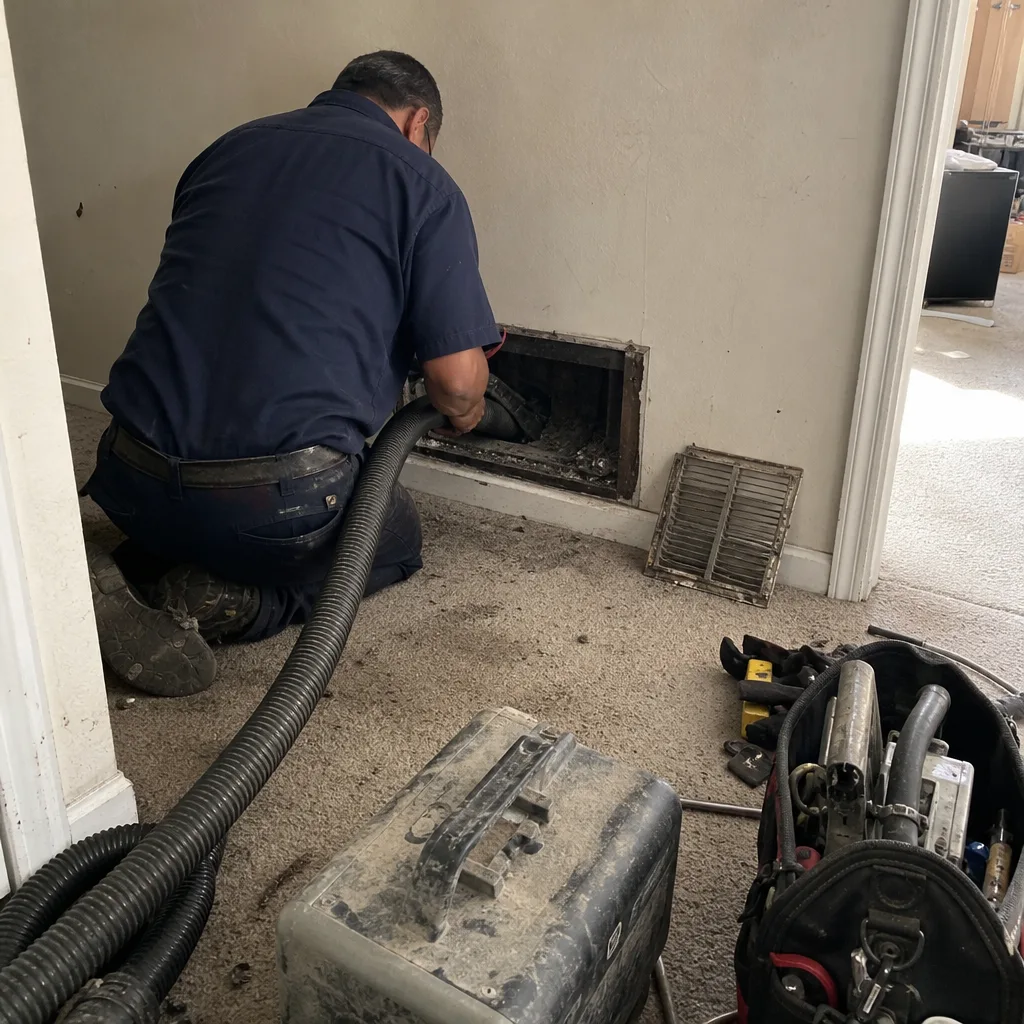 Before
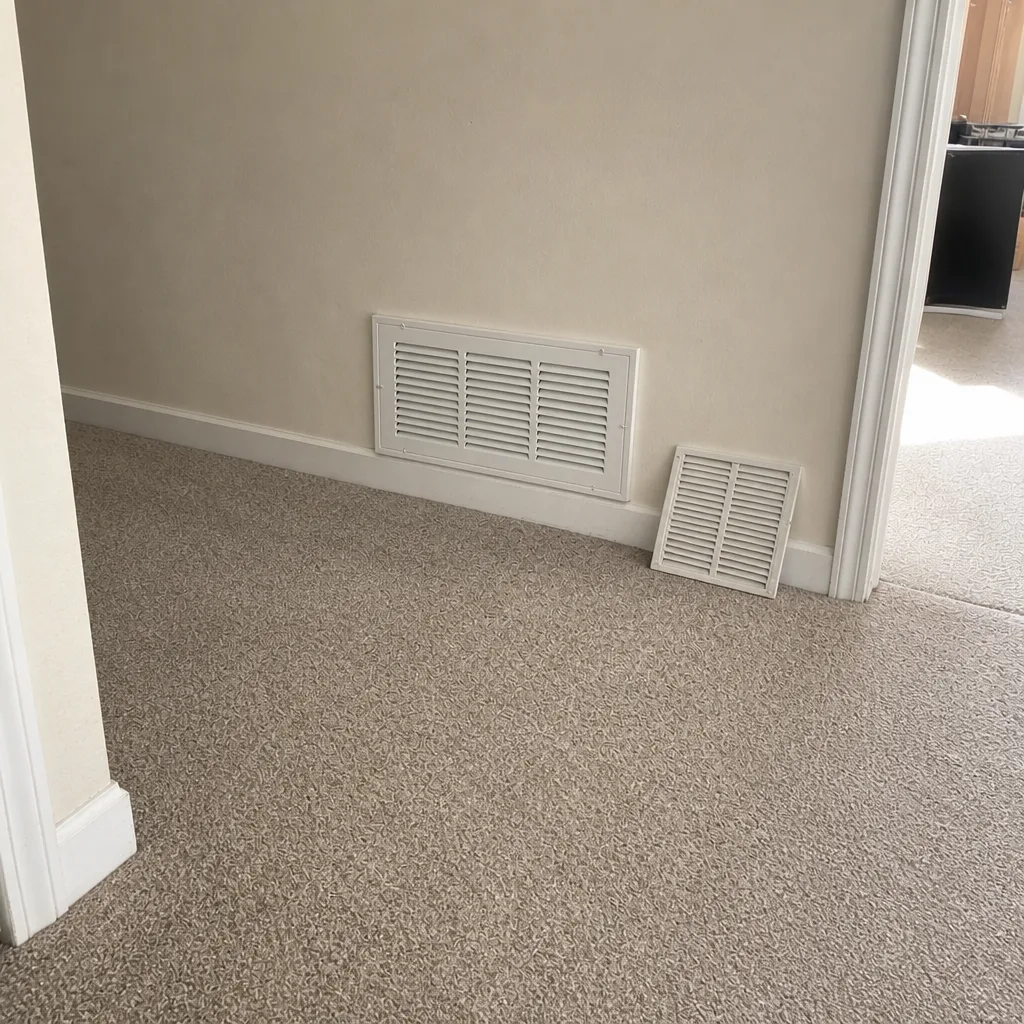 After
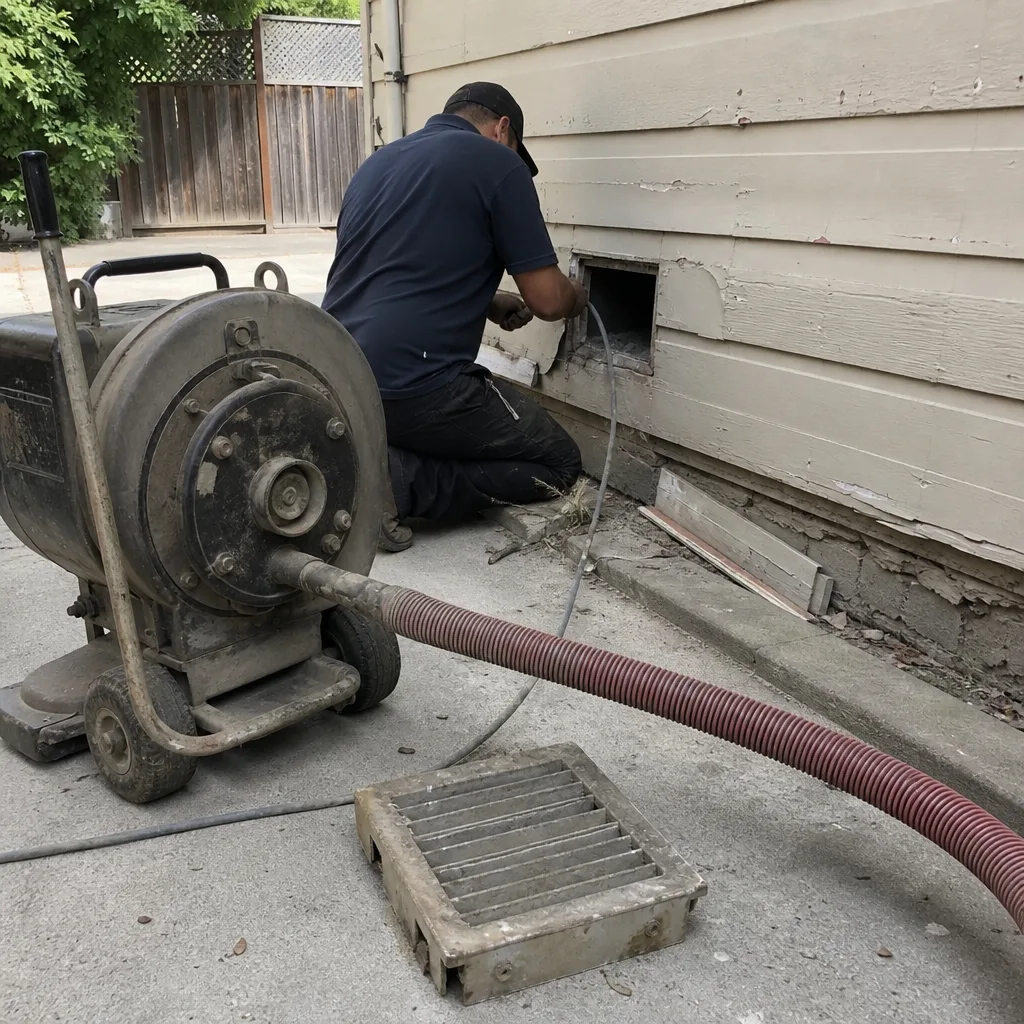 Before
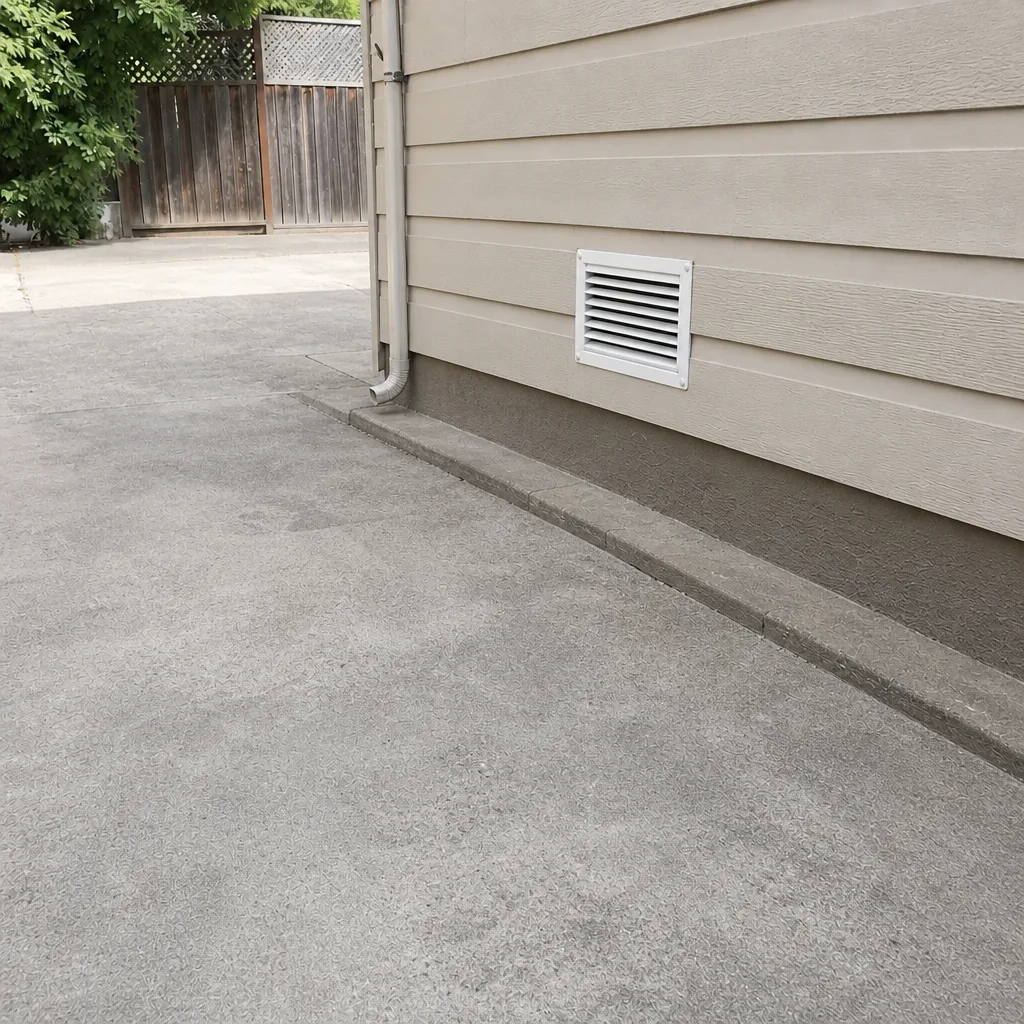 After
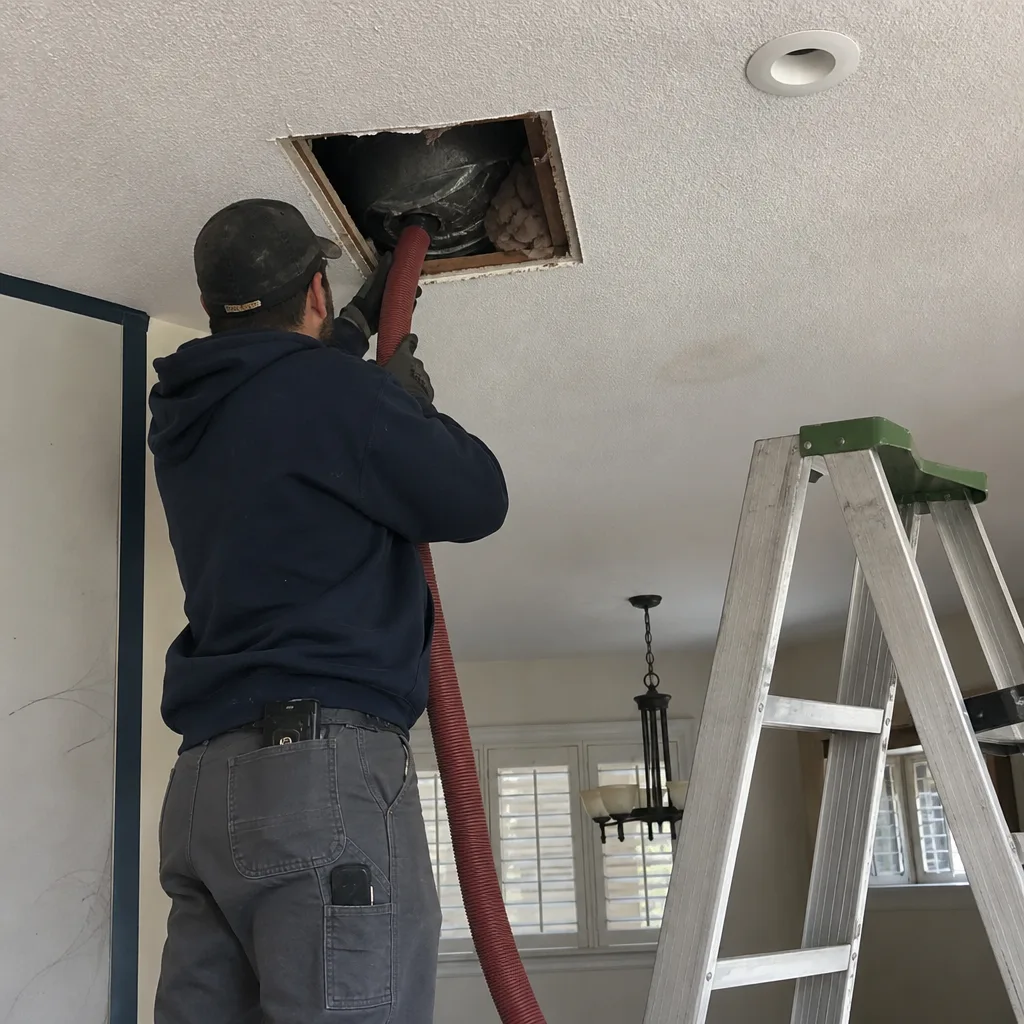 Before
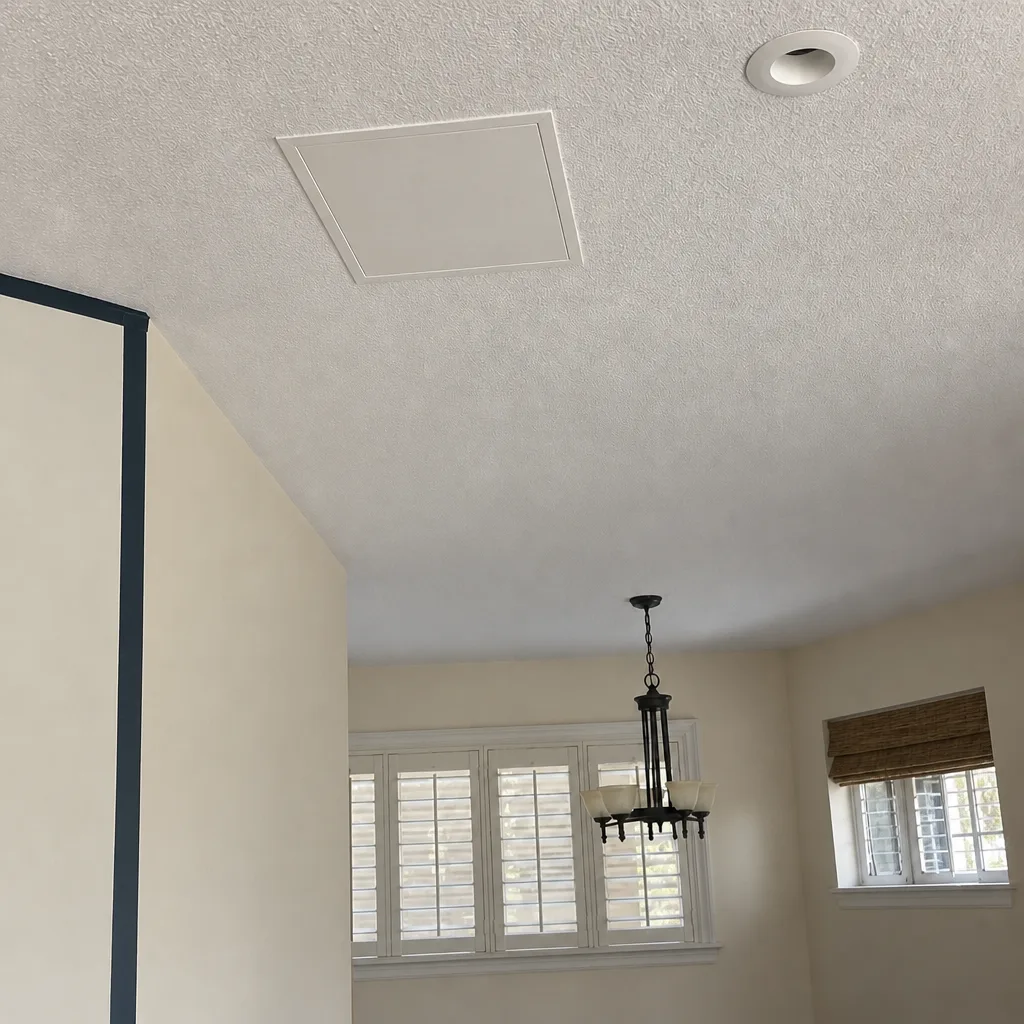 After