
Last updated November 4, 2026
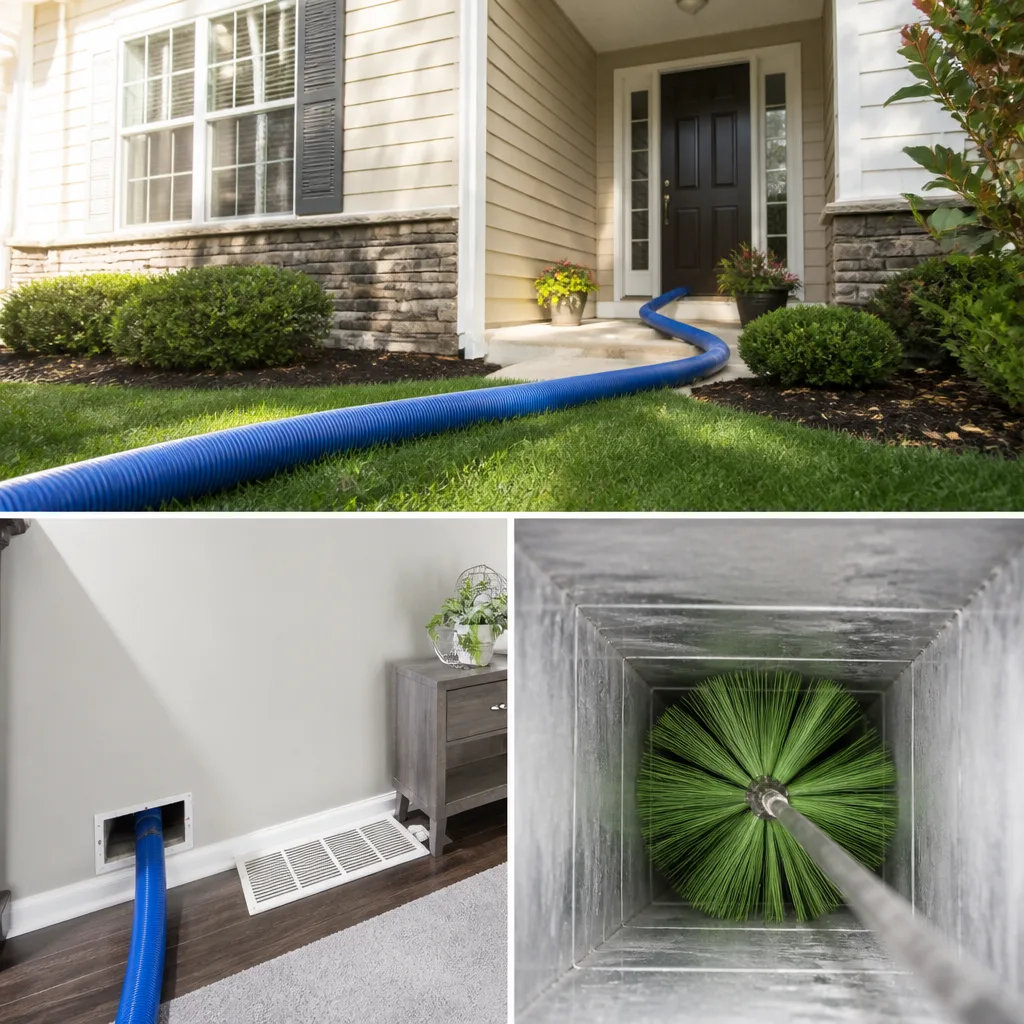 Whole-home duct cleaning
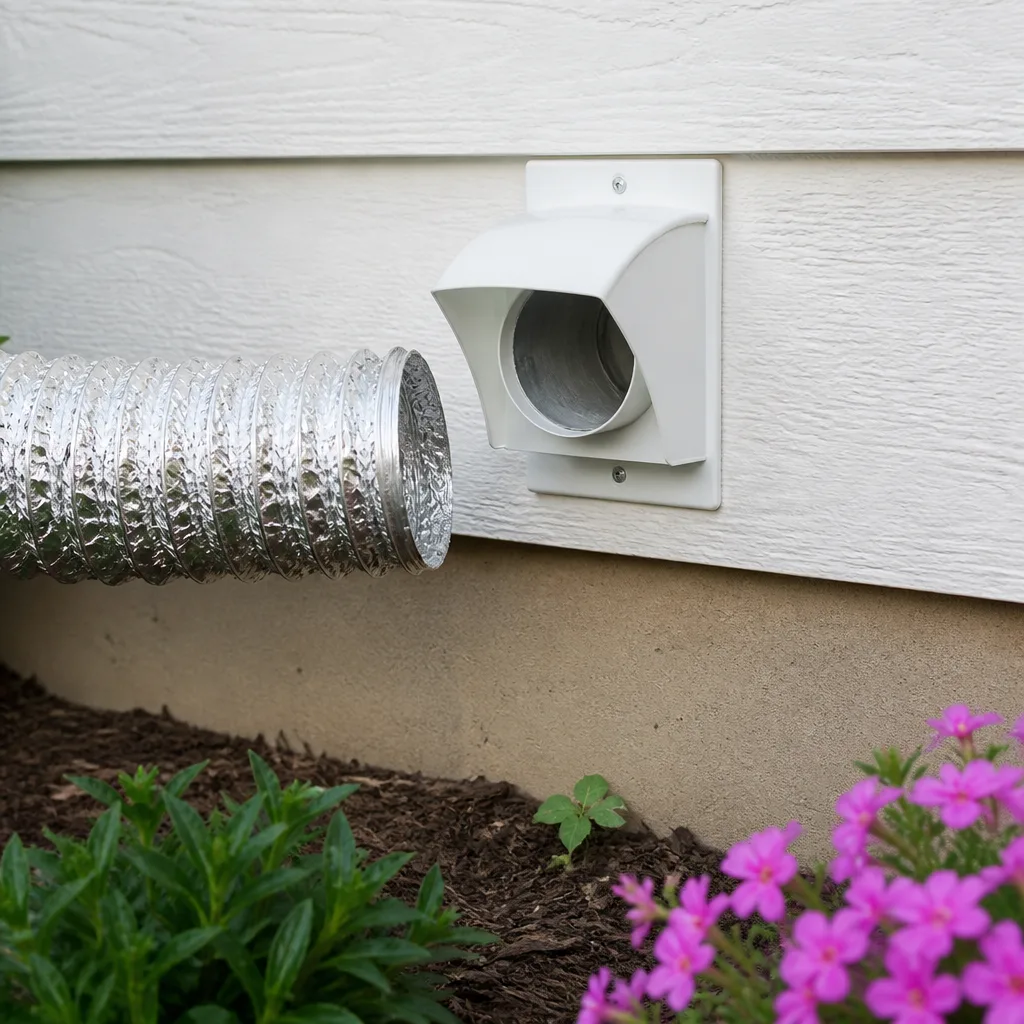 Dryer vent cleaning
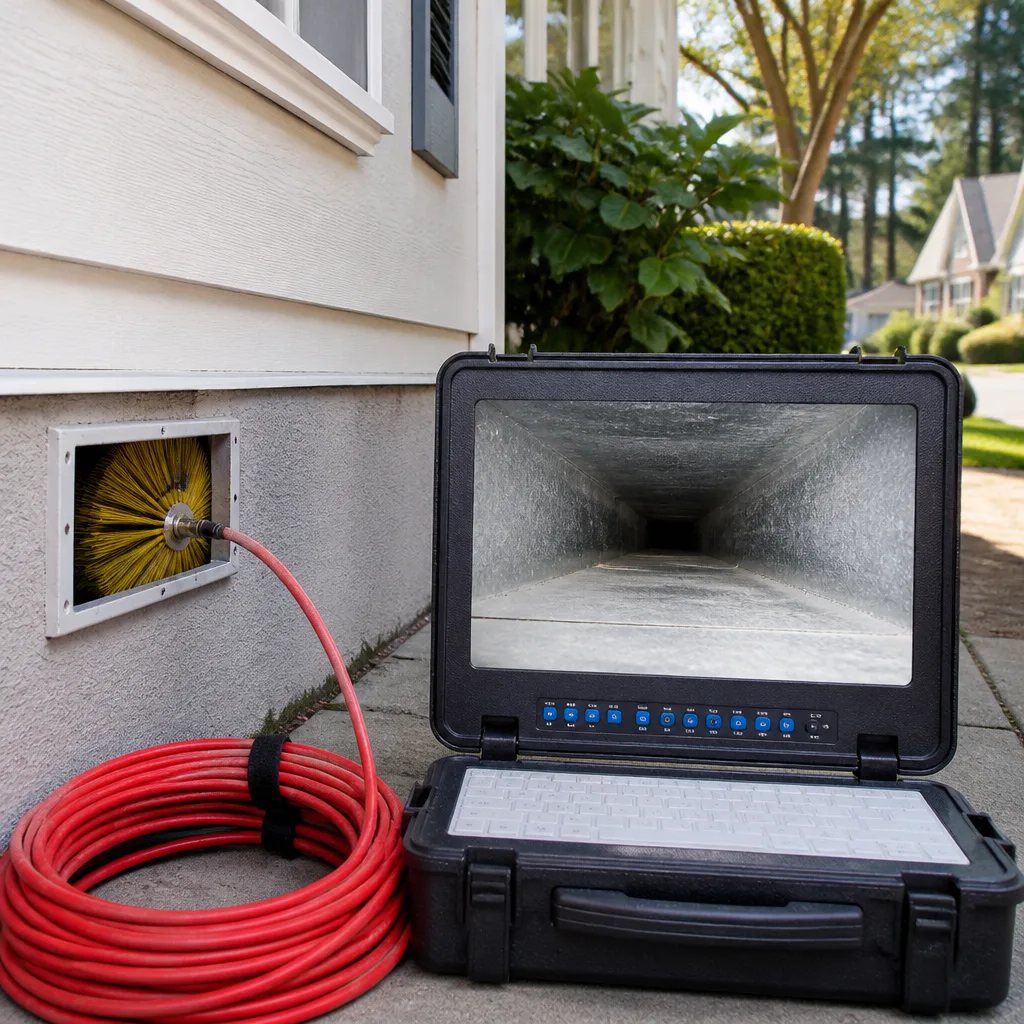 Camera inspection
 Sanitizing & deodorizing
Whole-system duct and dryer vent check with before-and-after photos - you see exactly what came out of your vents
That "$99 whole-house special" is a bait ad - the real number appears once they are in your hallway, or the "clean" is a shop-vac at the register. We photograph the inside of your ducts before and after instead.
Air Duct Cleaning Maintenance Schedule: What to Do and When
Most homeowners in Livermore operate on a simple assumption: clean the ducts every few years, change the filter occasionally, and the system takes care of itself. That works until a wildfire season settles smoke into the Tri-Valley, or a spring pollen bloom coincides with a pet-heavy household, and suddenly the air inside feels heavier than it should. The truth is that a calendar-based schedule ignores what actually determines duct contamination: the specific conditions your system faces week after week. This guide replaces the generic “every 3 to 5 years” rule with a condition-based maintenance framework built for Livermore’s dry valley heat, wildfire smoke exposure, and high seasonal pollen loads. You’ll learn what actually accumulates in ductwork, which maintenance tasks are genuinely worth doing yourself, when a filter change signals deeper problems, and how to document your system’s condition so you catch deterioration before it becomes a repair bill.
Styles & brands we work with
- Whole-home duct cleaning
- Dryer vent cleaning
- Camera inspection
- Sanitizing & deodorizing
Quick Answer
A full professional air duct cleaning in Livermore is typically needed every 3 to 5 years under normal conditions, but a single wildfire smoke event or a home with multiple pets can compress that timeline to 2 years or less. Between cleanings, replace HVAC filters every 1 to 3 months depending on MERV rating and household factors, vacuum supply and return grilles monthly, and run a post-event inspection any time the AQI exceeds 150 for more than 48 consecutive hours. The schedule that matters isn’t a number on a calendar; it’s a set of observable triggers tied to air quality, filter loading, and system runtime.
Table of Contents
- Why Calendar-Based Duct Cleaning Schedules Fail in Livermore
- What Actually Accumulates in Ductwork: A Contaminant Breakdown
- The Condition-Based Maintenance Framework: 5 Trigger Categories
- Filter Replacement Cadence: Your Leading Indicator for Duct Contamination
- Post-Wildfire Smoke Protocol: The Inspection Every Livermore Home Needs
- Homes with Pets: Why You Need a Split Maintenance Schedule
- Logging Duct Condition Year Over Year: How to Spot Deterioration Trends
- Common Mistakes to Avoid
- When to Call a Professional
- Frequently Asked Questions
- The Bottom Line
Why Calendar-Based Duct Cleaning Schedules Fail in Livermore
The standard industry recommendation to clean ducts every 3 to 5 years assumes a fairly stable contamination environment. Livermore doesn’t offer one. Our valley sits east of the Diablo Range, which means wildfire smoke from as far north as the Mendocino complex and as close as the Altamont hills settles into the bowl of the Tri-Valley. When an inversion layer traps that smoke over Livermore for days at a time, your HVAC system pulls fine particulate matter through the return ducts and deposits it along duct walls, plenum surfaces, coil fins, and blower housings. A single extended smoke event can introduce more sub-micron particulate into a duct system than three years of ordinary household dust accumulation.
Add to that the region’s high spring pollen counts from valley oaks, grasses, and the agricultural buffers around Livermore’s edges, plus the fine alkaline dust that blows in from the Central Valley during dry summer months, and the contamination timeline compresses significantly. A household with two dogs and a MERV 8 filter may accumulate contaminants in 18 months that a child-free home with a MERV 13 filter wouldn’t reach in five years. The calendar doesn’t know any of this. Your system does. The maintenance schedule that actually protects indoor air quality is built on reading what your system tells you about contamination rate, not on marking a date on a wall calendar.
In our experience working with ducts across Livermore, the homes that need service most often aren’t the oldest ones. They’re the ones where occupants assumed a fixed schedule would cover them, while their filters loaded up twice as fast as expected and no one thought to ask why.
What Actually Accumulates in Ductwork: A Contaminant Breakdown
To build a maintenance schedule that works, you need to understand exactly what’s collecting inside your duct system. It’s not just “dust.” Different contaminants behave differently, accumulate at different rates, and respond to different removal methods.
The Five Contaminant Categories
- Fibrous particulate – pet hair, carpet fibers, clothing lint, and textile fragments. These are relatively large and tend to collect near return grilles and the first few feet of return ductwork. A household with pets generates dramatically more fibrous particulate than one without.
- Fine mineral dust – Livermore’s dry summers and the agricultural activity to our east mean airborne silt and clay particles constantly enter homes through doorways, windows, and the natural air exchange of the building envelope. This dust is fine enough to travel deep into the supply side of the system and coat duct interiors with a fine layer that reduces airflow efficiency.
- Combustion particulate – wildfire smoke introduces carbon-based particles, ash, and volatile organic compounds that deposit as a sticky film on duct walls. Unlike dry dust, this residue can bond to surfaces and requires contact cleaning methods to remove thoroughly. Burning candles, cooking smoke, and even proximity to freeway traffic contribute smaller ongoing amounts.
- Biological material – pollen, mold spores, and bacterial matter that enter through the return airflow. Livermore’s spring pollen season is intense, and without adequate filtration, pollen grains settle into ductwork where they provide a food source for dust mites and contribute to allergen loading in the living space.
- Microbial growth – when moisture combines with accumulated organic matter inside ducts, conditions support microbial growth. This is most common where ducts run through unconditioned spaces like attics, where temperature differentials create condensation inside the ductwork during the cooling season.
The method of removal matters as much as the schedule. A vacuum-only approach extracts loosely suspended debris but leaves behind the adhered particulate film that contact cleaning physically scrubs from duct-wall surfaces. That’s the difference between making a system look cleaner and actually restoring airflow and contaminant levels. When we clean duct systems in Livermore, we use Rotobrush contact cleaning, which mechanically scrubs duct-wall surfaces rather than relying on suction alone. Combined with Nikro negative-air equipment, the process creates a contained vacuum environment so dislodged contaminants are captured at the source instead of recirculating through the living space during service.
The Condition-Based Maintenance Framework: 5 Trigger Categories
A condition-based framework replaces “schedule it every X years” with observable triggers that tell you when action is genuinely needed. Here’s the system we recommend to every Livermore homeowner who wants to take control of their indoor air quality without overpaying for unnecessary service.
1. Filter Loading Rate
Your HVAC filter is the single most informative diagnostic tool in the house. A filter that loads visibly within 30 days tells you the system is pulling in contaminants faster than expected. Track how quickly your filter darkens from white to gray. If the rate accelerates month over month, you have a rising contamination source somewhere upstream, and your ducts are the pathway.
2. Air Quality Index Events
Any period where Livermore’s AQI exceeds 150 for 48 hours or more constitutes a contamination event for your duct system. The particulate matter from wildfire smoke doesn’t just pass through and exit; a significant fraction deposits inside the system. After any such event, run the post-event inspection protocol described later in this guide, regardless of when your last cleaning occurred.
3. HVAC Runtime Hours
Livermore’s summer heat means air conditioning runs for months. A system that cycles 10 hours a day during July and August moves far more air, and far more particulate, than one that runs 4 hours a day. Track your runtime. High-runtime homes should bias toward the shorter end of the 3 to 5 year cleaning window, while low-runtime homes with strong filtration can safely extend toward the longer end.
4. Occupancy and Activity Factors
The number of occupants, presence of pets, frequency of cooking, use of candles or fireplaces, and whether anyone in the home smokes all directly affect duct contamination rates. A retired couple in a 1,200-square-foot home has a fundamentally different contamination timeline than a family of five with two dogs and regular weekend dinner parties.
5. Visible or Sensory Indicators
These are the traditional triggers, and they still matter: dust accumulating on surfaces within days of cleaning, a musty or stale odor when the system first cycles on, visible dust emitting from supply registers, or uneven airflow between rooms that no longer matches the original balance. Any one of these justifies an inspection, and several together usually point to a system that’s overdue for service.
Filter Replacement Cadence: Your Leading Indicator for Duct Contamination
Most filter replacement advice is frustratingly vague: “every 1 to 3 months.” That range is wide enough to be useless without context. Here’s a more precise framework based on filter grade and household conditions in Livermore.
Replacement Intervals by Filter Type
- MERV 8 fiberglass or basic pleated filters – replace every 30 to 45 days during peak HVAC season (summer and winter). These filters catch larger particles but let fine particulate through, meaning more material deposits in the ducts themselves.
- MERV 11 to 13 pleated filters – replace every 60 to 90 days. These capture a meaningful percentage of pollen and fine dust, reducing duct loading. Homes with pets should bias toward 60 days.
- MERV 14 or higher media filters – replace every 90 to 120 days, provided your system’s static pressure can handle the resistance. More restrictive filters demand more from your blower motor, so never install a higher MERV rating than your HVAC system is designed for without consulting a professional.
- Electrostatic or washable filters – wash monthly during peak season and replace annually. These require consistent maintenance to perform.
The critical insight here is that a prematurely loaded filter is a diagnostic finding, not just a chore. If a MERV 11 filter looks clogged after 45 days, your system is processing more particulate than expected. That particulate is also depositing in the ductwork, the coil, and the blower assembly. The filter catches what it catches, and whatever passes through it either lands somewhere in the system or blows back into your living space. A fast-loading filter is an early warning that the duct contamination rate is high, and that’s a signal to schedule an inspection sooner rather than later.
For homes with Honeywell or Aprilaire filtration systems, we always recommend following the manufacturer’s replacement cadence for the specific model installed. These systems often have pressure-drop indicators that remove guesswork. As a general rule, the better your filtration performs, the longer your ducts stay clean, which is why we consider filtration assessment part of any comprehensive duct evaluation in Livermore homes.
Post-Wildfire Smoke Protocol: The Inspection Every Livermore Home Needs
Wildfire smoke is no longer an occasional anomaly for the Tri-Valley; it’s a recurring seasonal reality. The Diablo Range to our west and the Altamont corridor to our east channel smoke into the Livermore valley, and when inversion layers form during fire season, that smoke can sit over the city for days. Here’s the step-by-step protocol we recommend after any extended smoke event.
Step 1: Check the AQI Record
Review the Air Quality Index history for Livermore during the event period. Note the peak AQI value and the number of consecutive hours above 150. Anything over 48 hours above that threshold means your HVAC system moved a substantial volume of smoke-laden air through the return ducts, and some fraction of that particulate remained inside the system.
Step 2: Inspect the Filter Immediately
Remove the current filter and place it on a white surface in good light. Smoke-loaded filters typically show gray-to-brown discoloration, and in severe cases, a distinct campfire odor. If the filter is visibly loaded, replace it immediately. If you want to quantify what happened, hold a new filter of the same type next to the used one. The visual difference tells you how much smoke passed through your system, and by extension, how much of it bypassed the filter and continued into the ductwork and coil.
Step 3: Check Supply Registers
Wipe a white paper towel across the interior surface of any supply register. If it comes away gray or brown, smoke particulate is already moving through the supply side of your system. Smoke residue that has reached this point is also coating the inside of supply ducts and the surfaces of the air handler.
Step 4: Run the System and Smell
With a fresh filter installed, run the system on fan-only mode for 10 minutes, then switch to cooling. Stand near a supply register and note what you smell. A persistent smoky or stale odor indicates that particulate has deposited on the coil, blower, or supply duct surfaces. This residue re-releases slowly, and without removal, you’ll smell it for weeks.
Step 5: Schedule a Professional Assessment
If any of these checks produce positive findings, the system has smoke-loading that requires professional cleaning. Smoke particulate bonds to duct surfaces in a way that vacuum-only methods can’t remove. Contact cleaning that physically scrubs the adhered film is the only way to restore the system to pre-event condition. In our work across Livermore homes, the difference between a smoke-loaded system cleaned by contact methods versus one that simply got vacuumed is measurable in both airflow and occupant symptom reports.
Homes with Pets: Why You Need a Split Maintenance Schedule
Pet owners in Livermore face a compounding contamination problem. Dogs and cats generate fibrous particulate at a rate far exceeding human occupancy alone, and that material behaves differently in a duct system than fine dust does. Pet hair and dander are larger, stickier, and more likely to create the kind of matted accumulations along return duct walls that restrict airflow and provide a base for finer particulate to accumulate.
A split maintenance schedule acknowledges that different parts of the system require different service intervals. Here’s what that looks like in practice for a household with one or more pets:
Monthly Tasks (Every 30 Days)
- Vacuum return grilles. Pet hair collects directly on the grille face and reduces return airflow. Use a brush attachment and remove all visible hair. This reduces what enters the duct system in the first place.
- Replace or clean the filter. Pet-heavy homes should never exceed 60 days on any filter, and 30 days is a safer target during high-shedding seasons. The filter is your first line of defense against pet dander entering the ductwork.
- Inspect visible register interiors. If you can see hair or dander collected just inside the register opening, the system is loading faster than filtration can keep up with.
Quarterly Tasks (Every 90 Days)
- Deep clean return grilles and the visible return duct throat. Remove the grille, vacuum the opening, and wipe surfaces with a damp microfiber cloth. This extends the interval between full system cleanings.
- Check for dander accumulation on supply registers. Supply registers should be clean. Dander appearing here means the system is bypassing filtration or the filter is underperforming, and the ducts are actively distributing pet allergens through the home.
Full System Cleaning Interval
With pets, we recommend professional air duct cleaning every 2 to 3 years rather than the standard 3 to 5. The fibrous material from pets doesn’t just sit in ducts; it binds with fine dust to form a felt-like layer that vacuum-only methods struggle to remove. Contact cleaning with mechanical agitation breaks that layer and removes it completely. Pet dander is also a persistent allergen, and for occupants with sensitivity, removing it from the distribution system is the single most effective measure beyond replacing the filter.
Logging Duct Condition Year Over Year: How to Spot Deterioration Trends
The most valuable maintenance habit a homeowner can build is documentation. A simple log of observations, taken consistently over years, reveals trends that individual observations can’t. A filter that loads slightly faster this year than last isn’t alarming in isolation. Three consecutive years of faster loading tells a story, and that story ends in a repair bill if ignored.
What to Log
- Filter replacement dates and visual condition at replacement. Note whether the filter was lightly loaded, moderately loaded, or fully loaded. This single data point, collected consistently, is the best early-warning signal you have.
- Register inspections. Each quarter, note the condition of supply and return register interiors. A change from “clean” to “light dust” to “visible accumulation” across any six-month period indicates rising system contamination.
- Airflow observations. Note whether rooms feel balanced, whether any register blows noticeably weaker than others, and whether the system seems to run longer to reach set temperature. Declining performance is a symptom of restricted airflow through dirty ducts or a loaded coil.
- Any odor observations. Note whether the system smells stale on startup, whether that smell persists, and whether it changes seasonally. Musty odors that recur each cooling season often indicate moisture-related growth in ductwork passing through unconditioned spaces.
- Post-event documentation. After any wildfire smoke event, AQI spike, or local construction activity near your home, note the date and take a quick look at the filter. This creates a correlation record between external events and system loading.
- Treating the filter replacement schedule as the entire maintenance plan. A new filter protects the system going forward, but it does nothing for particulate already deposited in the ducts. Filter changes slow accumulation; they don’t reverse it.
- Using the highest MERV filter available without checking system compatibility. High-MERV filters restrict airflow, and many residential blowers weren’t designed for that resistance. The result is reduced efficiency, higher energy bills, and shortened equipment life. Match the filter to the system, not to marketing claims.
- Assuming a post-wildfire season filter change is sufficient. Smoke particulate that made it past the filter is inside the ducts, on the coil, and in the blower assembly. Replacing the filter addresses the symptom, not the deposition that already occurred.
- Ignoring return-side maintenance while focusing on supply registers. Return grilles are where contamination enters the system. A clogged return grille starves the blower of air and pulls from wherever it can, including wall cavities and unconditioned spaces.
- Waiting for visible black dust or strong odors before scheduling service. By the time contamination is visible at the registers or smellable on startup, the system has accumulated a significant load. Earlier intervention based on filter loading rate and AQI events is less expensive and more effective.
- Choosing a cleaner based on per-vent pricing. Per-vent pricing invites games. A reputable service prices the whole system as a single job with a written estimate before work starts. You should know the total cost before anyone arrives, and you should see documentation of what was done after the work is complete.
- Assuming a house built recently has clean ducts. New construction deposits drywall dust, sawdust, and insulation fibers into duct systems before homeowners ever move in. A five-year-old home in a Livermore subdivision can have a dirtier system than a twenty-year-old home that’s been maintained.
How to Use the Trend Data
The goal isn’t to create busywork. It’s to build an evidence base for maintenance decisions. When a system’s filter loading rate accelerates across multiple consecutive seasons, the data justifies an earlier professional cleaning. When register accumulation increases while the home’s occupancy and pet count haven’t changed, it may indicate duct leakage, which pulls attic or crawlspace dust into the return side. When airflow declines across all registers consistent with a loaded coil, the system needs attention before the blower motor or compressor pays the price.
This is where the repair capability matters. Duct systems age, and maintenance logs often reveal deterioration that a simple cleaning can’t fix: separated joints, crushed flex runs, loose connections at registers, or damaged insulation. A company that can both clean and repair duct systems, as we do at Duct Cleaning Livermore, can address findings in a single visit rather than telling you the problem exists and leaving you to find someone else to fix it.
Common Mistakes to Avoid
When to Call a Professional
Some maintenance tasks belong to the homeowner, and some require professional equipment and training to do properly. A homeowner can replace filters, vacuum registers, and monitor system performance. But when the evidence points to contaminated ducts, the job requires equipment that no rental shop offers. Contact cleaning systems like Rotobrush physically agitate and remove adhered particulate from duct walls. Negative-air containment with Nikro equipment prevents dislodged contaminants from re-entering the living space during service. Abatement Technologies air-quality controls, the same category of equipment used in professional remediation work, ensure the work area remains contained throughout the process.
Call a professional when filters load faster than expected across multiple replacement cycles, when post-wildfire inspections produce positive findings, when pet-related accumulation reaches the point that monthly grille cleaning can’t keep up, or when airflow imbalance suggests significant duct loading or damage. Duct Cleaning Livermore offers free estimates in Livermore, and our technicians can assess filter loading, register condition, and airflow in a single visit. Call (833) 593-6464. We answer 24/7. Fast dispatch from 7am to 7pm, Sunday through Friday.
Frequently Asked Questions
Under normal conditions in Livermore, air ducts need cleaning every 3 to 5 years, but wildfire smoke events, pets, high HVAC runtime, and low-efficiency filtration can shorten that to 2 years or less. The most reliable way to determine need is to track filter loading rate, register condition, and any post-wildfire findings rather than relying on a fixed calendar interval. Call (833) 593-6464 for an assessment of your specific system.
Yes, a significant smoke event can deposit enough particulate in a single week to justify cleaning a system that was serviced months earlier. Smoke residue bonds to duct surfaces and re-releases over time, so professional contact cleaning is the only way to remove it completely. After any AQI event above 150 for 48 hours or more, run the post-event inspection protocol regardless of when the last cleaning occurred.
Vacuum-only methods remove loose debris but leave behind adhered particulate films on duct walls. Contact cleaning, which uses mechanical agitation like the Rotobrush system, physically scrubs the duct surface to remove bonded residue, smoke films, and fibrous accumulations. For Livermore homes with wildfire smoke exposure or pet-related buildup, contact cleaning is the difference between a system that looks cleaner and one that actually measures cleaner.
Poor air quality has multiple sources, and ducts are only one of them. The diagnostic signs of duct-specific problems are: dust emitting from supply registers during operation, a stale or musty odor only when the system runs, visible accumulation inside return ducts, and filter loading that accelerates without a corresponding change in household activity. If symptoms persist when the system is off, look to other sources like carpeting, upholstery, or localized moisture issues.
No. A shop vac lacks the reach and containment to clean duct systems properly, and the attempt can dislodge contaminants into the living space. Full duct cleaning requires professional equipment including contact-cleaning tools that reach the full duct length and negative-air containment that keeps dislodged particulate from recirculating. Duct Cleaning Livermore uses the same category of equipment used in commercial and industrial settings, applied with residential precision. Call (833) 593-6464 for a free estimate.
Allergens including pollen, pet dander, and dust mite byproducts accumulate in duct systems and are distributed through the living space whenever the HVAC system runs. Removing that accumulated load reduces ongoing allergen circulation. The effect is most noticeable when ducts are genuinely loaded and occupants have documented sensitivities. A clean filter helps going forward, but only a full system cleaning removes what’s already deposited inside the ductwork.
The Bottom Line
The right duct cleaning schedule for a Livermore home isn’t a number on a calendar. It’s a condition-based framework built around filter loading rates, air quality events, system runtime, and the specific factors of your household. Wildfire smoke has made triage-level duct assessments a seasonal reality. Homes with pets need shorter intervals and more frequent grille maintenance. The systems that stay cleanest are the ones where homeowners track observable indicators and act on evidence rather than assumptions. When the evidence points to professional service, choose a company that uses contact cleaning and negative-air containment, not vacuum-only methods that leave the adhered particulate behind. Document what you observe, act on what the data tells you, and your duct system will deliver the air quality your home deserves.
Written by the team at Duct Cleaning Livermore, serving Livermore since 2015. We provide professional Duct Cleaning Livermore, air duct cleaning, and dryer vent cleaning services with contact-cleaning and negative-air containment for homes and properties throughout the Tri-Valley.
See the difference
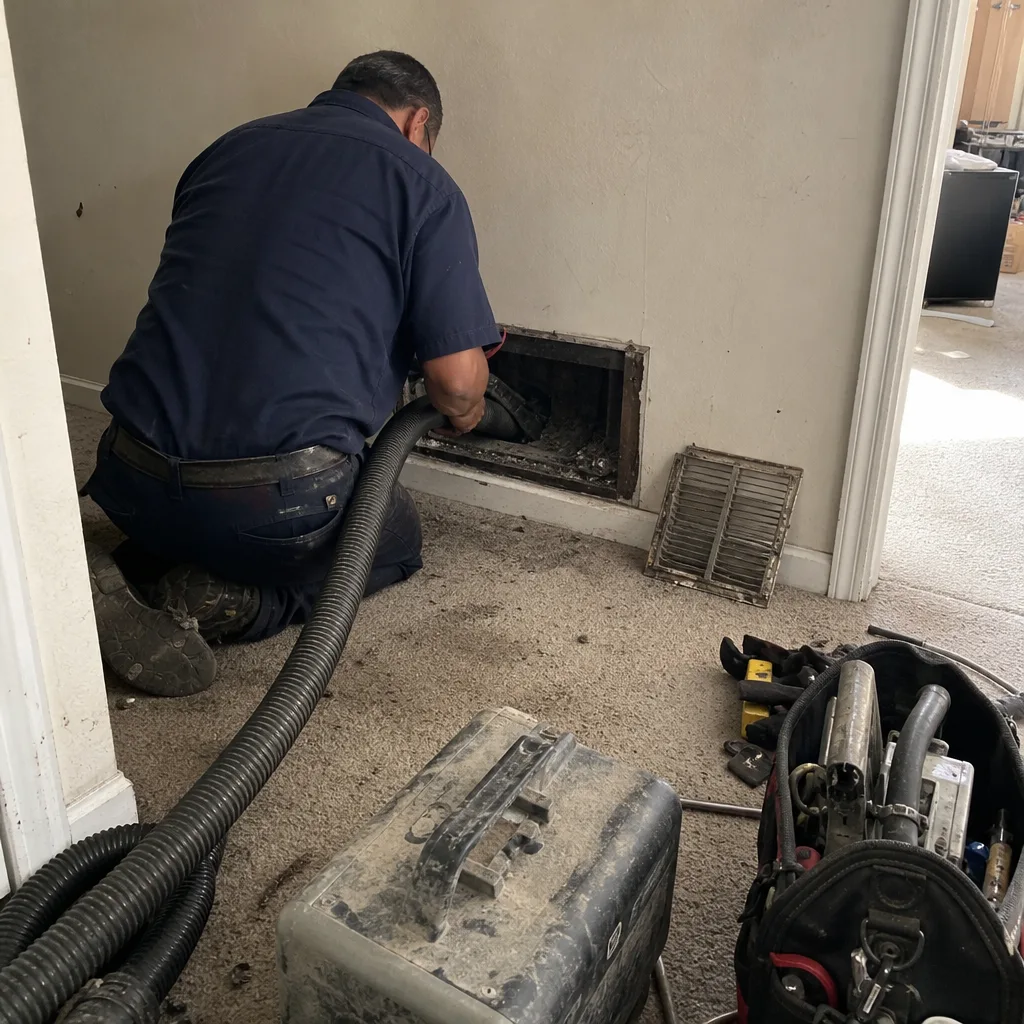 Before
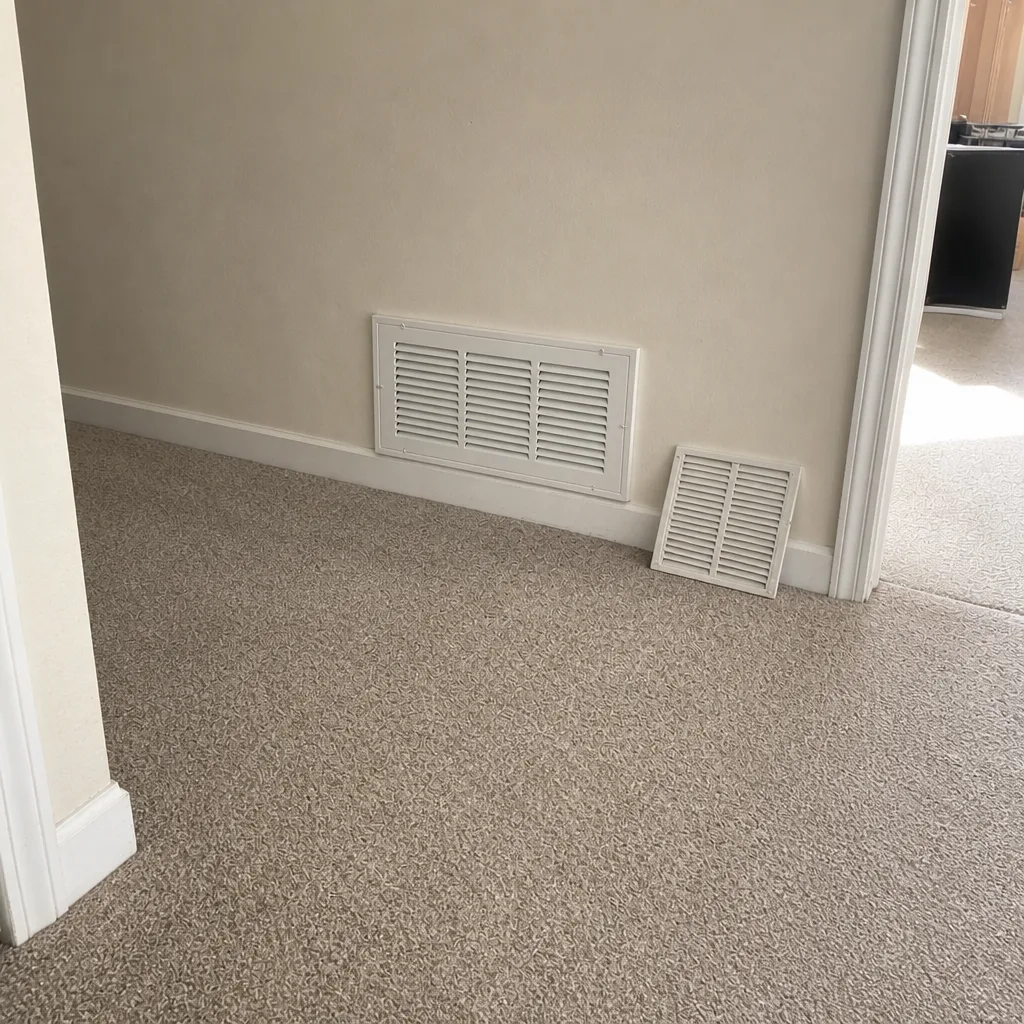 After
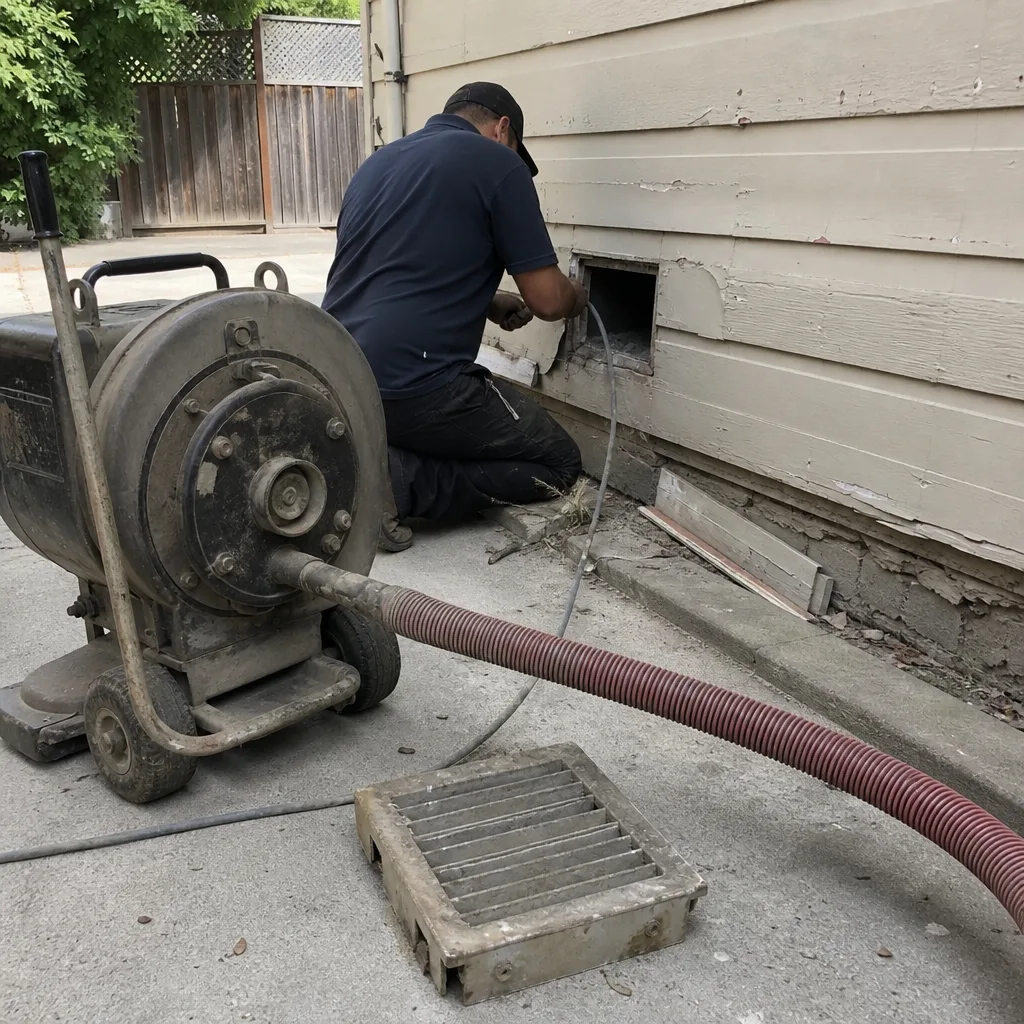 Before
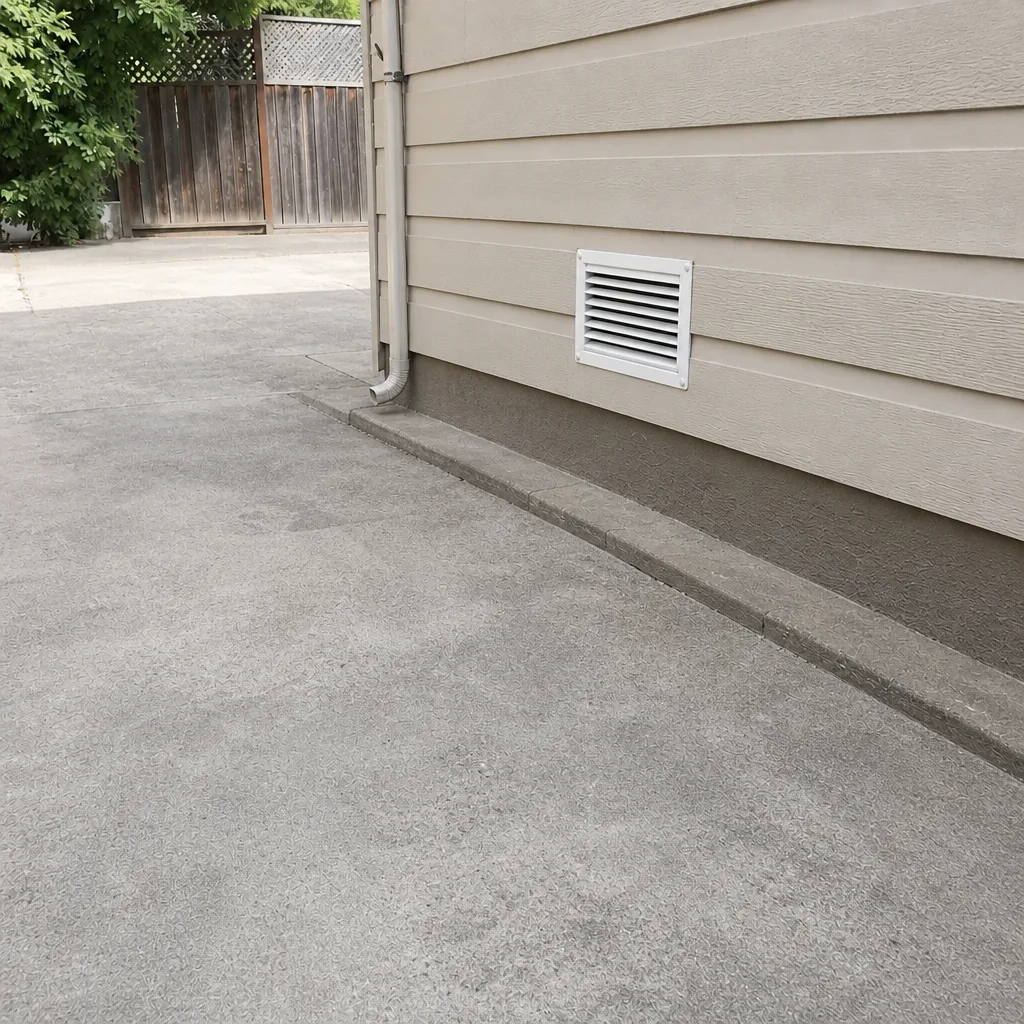 After
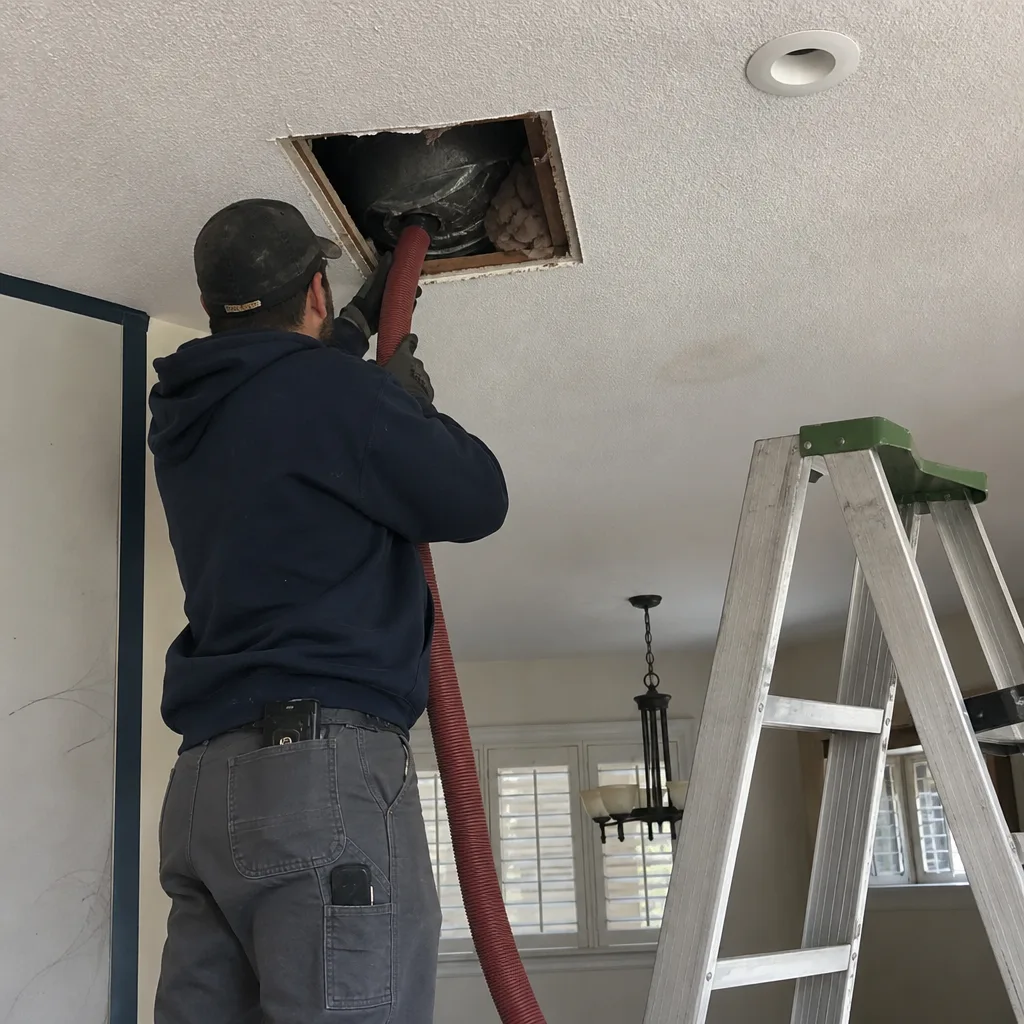 Before
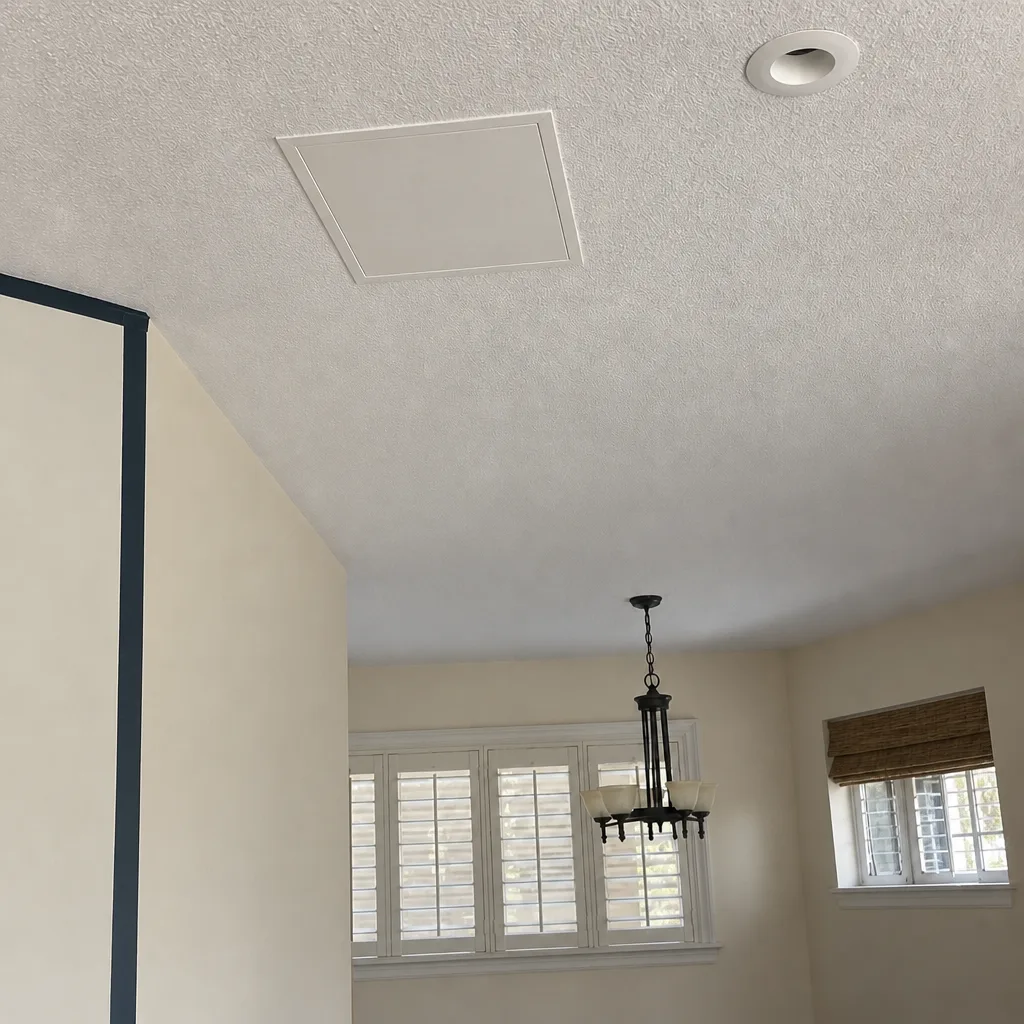 After