
Last updated November 4, 2026
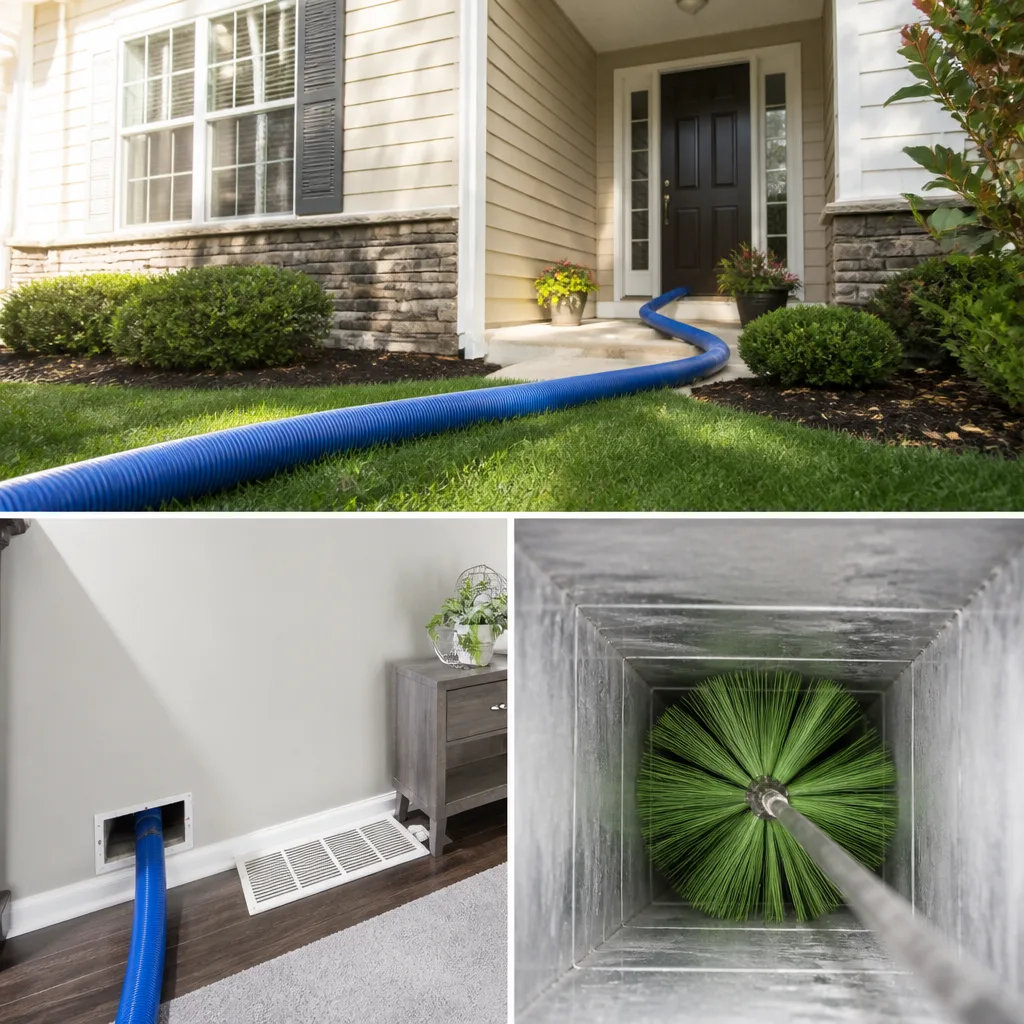 Whole-home duct cleaning
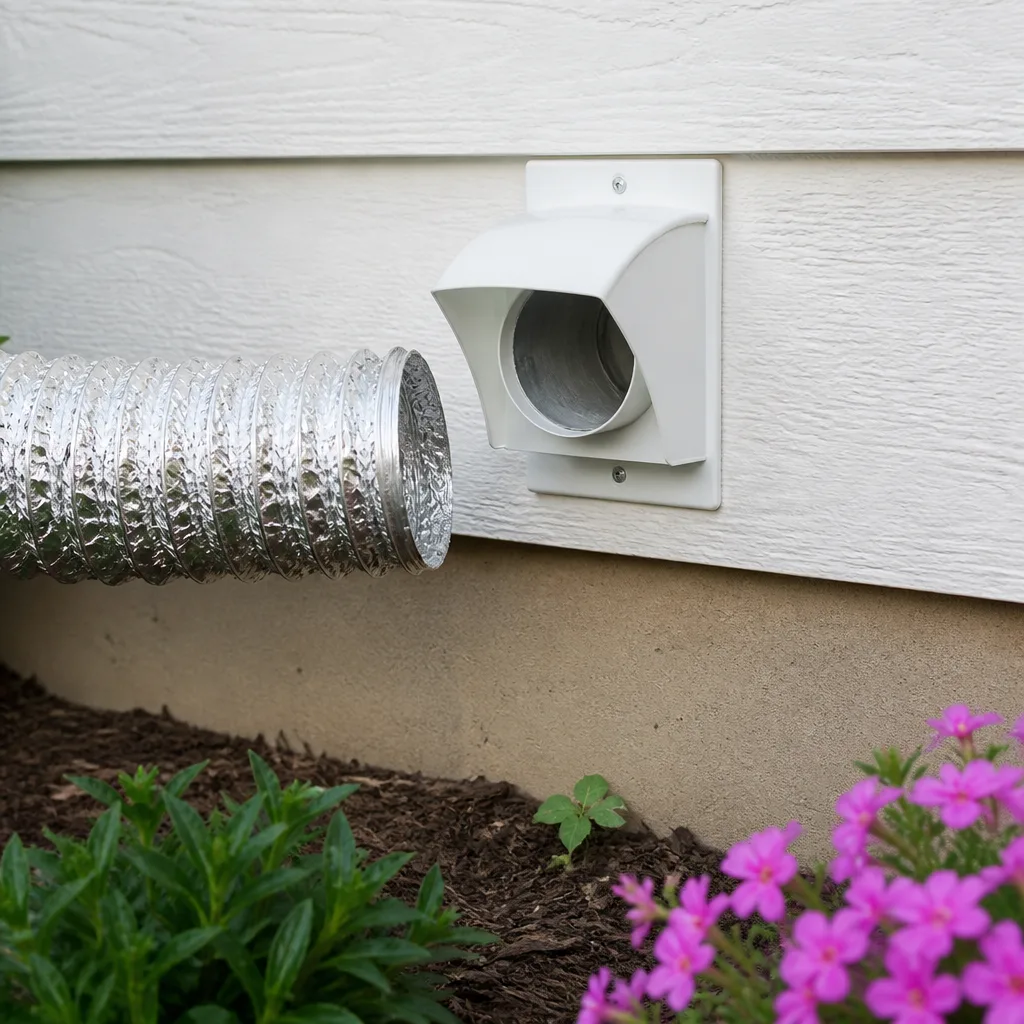 Dryer vent cleaning
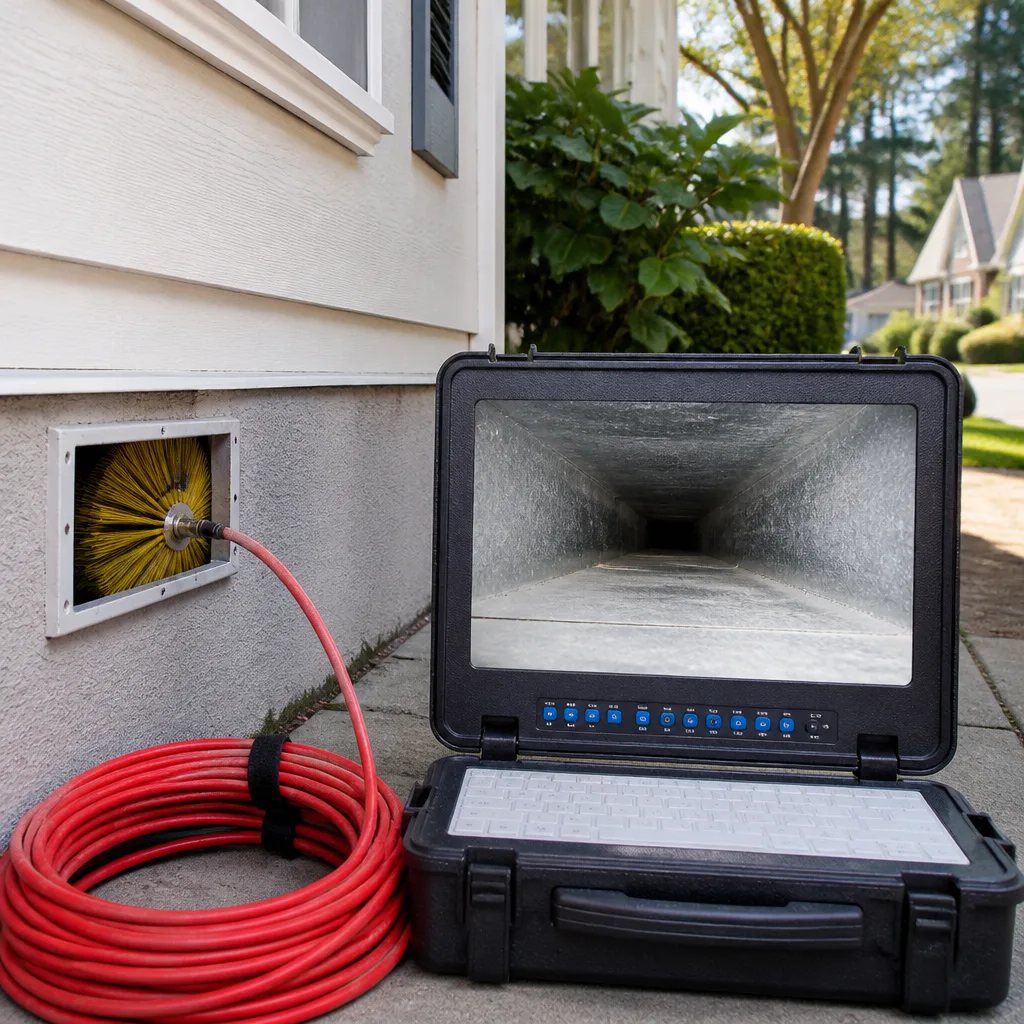 Camera inspection
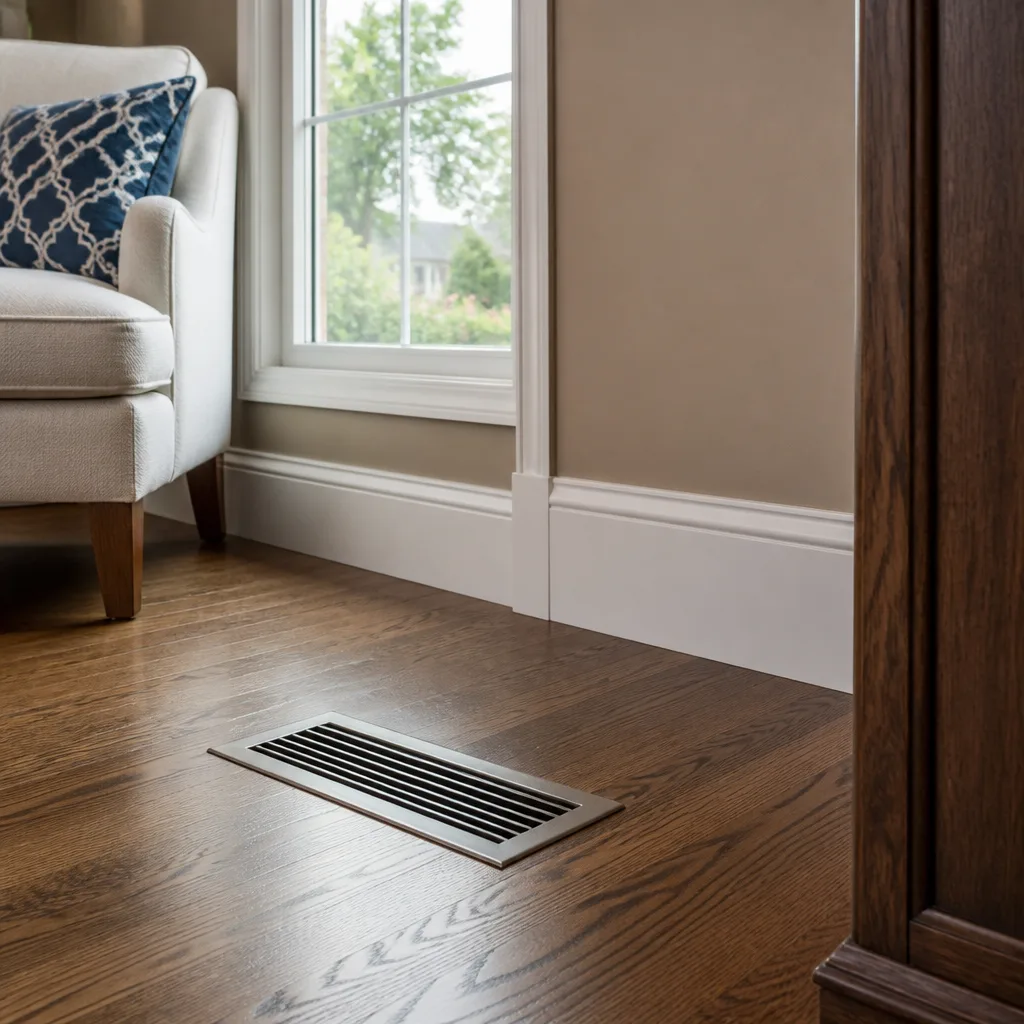 Sanitizing & deodorizing
Whole-system duct and dryer vent check with before-and-after photos - you see exactly what came out of your vents
That "$99 whole-house special" is a bait ad - the real number appears once they are in your hallway, or the "clean" is a shop-vac at the register. We photograph the inside of your ducts before and after instead.
Air Duct Cleaning Emergency Preparedness Guide for Livermore Homes
Most Livermore homeowners only schedule air duct cleaning when dust gets visible on the vents or allergy symptoms become impossible to ignore. But by the time those signs appear, the problem has usually been building for months, sometimes years. Here’s the thing most people miss: Livermore sits in a unique position where two very different forces, wildfire smoke from surrounding hills and the occasional earthquake, can transform a duct system overnight. This guide explains what actually happens inside your ductwork after these events, how to protect your system before the next one hits, and what a proper post-emergency protocol looks like. You’ll learn why the standard vacuum-and-brush approach won’t cut it after a smoke event, and what to ask for instead.
Quick Answer
Air duct cleaning after a wildfire smoke event or earthquake in Livermore requires more than a standard cleaning appointment. Wildfire smoke pushes fine particulate and volatile compounds deep into duct liner where ordinary vacuuming cannot reach them, and seismic activity can separate duct joints in attics and crawlspaces. The right response is a containment-based cleaning using negative-air equipment and contact scrubbing, followed by inspection of the entire duct run for physical damage.
Styles & brands we work with
- Whole-home duct cleaning
- Dryer vent cleaning
- Camera inspection
- Sanitizing & deodorizing
Table of Contents
- What Wildfire Smoke Does to Ductwork That Ordinary Dust Doesn’t
- The Post-Earthquake Duct Inspection Protocol for Livermore Homes
- How to Temporarily Protect Your Ducts During a Smoke Emergency
- What to Request From a Contractor After a Smoke Event vs. a Routine Cleaning
- Building a Home Emergency File for Your Duct System
- How Often Should Livermore Homes Actually Clean Their Ducts?
- Common Mistakes to Avoid
- When to Call a Professional
- Frequently Asked Questions
What Wildfire Smoke Does to Ductwork That Ordinary Dust Doesn’t
Ordinary household dust is mostly dead skin cells, fabric fibers, and tracked-in dirt. It’s heavy enough to settle in the first few feet of a return duct, and a decent cleaning removes it. Wildfire smoke is an entirely different animal. During the 2020 fire season, Livermore’s AQI exceeded 200 for eleven days straight, which means the air outside was classified as very unhealthy for everyone, not just sensitive groups.
When your central air system runs during those conditions, it pulls smoke particles into the ductwork. The fine particulate, specifically PM2.5, is small enough to travel deep into the system. It doesn’t just lie on the duct floor. It embeds into the fiberglass duct liner or the accumulated biofilm on metal surfaces. Once embedded, it releases odors and irritants slowly, for months after the outdoor air clears. That’s why some Livermore homes smell faintly of smoke weeks after the sky looks blue again.
The volatile organic compounds in smoke also behave differently than dust. They adsorb onto porous surfaces inside the ductwork, particularly the liner material many older Livermore homes have. A vacuum-only cleaning, the kind done with a shop-vac and a brush, pulls loose debris out but leaves the embedded particulate and adsorbed compounds in place. Contact cleaning with a system like Rotobrush physically scrubs the duct wall, dislodging what smoke has bonded to the surface. That mechanical difference is the whole game after a smoke event.
Timing matters too. The longer smoke residue sits in the duct liner, the more it off-gases into your living space and the more it bonds with existing dust and moisture. Homes that wait six months after a heavy smoke season before cleaning typically need more aggressive work than homes cleaned within the first month or two. We’re not suggesting panic, just a clear understanding that smoke contamination is a different class of problem than ordinary household dust.
The Post-Earthquake Duct Inspection Protocol for Livermore Homes
Livermore sits in seismic country, and an earthquake strong enough to rattle dishes can also disrupt ductwork. Most attic and crawlspace duct runs in Livermore homes are made of flexible duct sections joined with metal collars and fastened with zip ties or mastic. A sharp jolt can pop a joint apart, especially where ducts make a 90-degree turn or where an older installation skimped on support straps.
When a joint separates, two things happen. The system leaks conditioned air into the attic or crawlspace, wasting energy and reducing airflow to the rooms at the end of the run. At the same time, the negative pressure created by the air handler starts pulling in whatever surrounds the open joint: fiberglass insulation particles, dust, pest droppings, and if the crawlspace is damp, mold spores. You won’t see this from your living room. The first sign is often a room that suddenly feels stuffy, or a register that used to blow strong air now barely moves it.
Here’s the inspection protocol we recommend for Livermore homes after any quake you can feel:
- Check airflow at every register. Walk the house and feel each supply register. If one or two rooms suddenly deliver weak airflow compared to before the quake, suspect a separated joint.
- Inspect visible ducts in the attic or crawlspace. If you’re comfortable entering these spaces with proper protection, look for sagging sections, visible gaps at joints, or duct sections that have pulled off a collar entirely.
- Look for new dust streaks near registers. A separated joint in a return duct can pull attic insulation particles through the system. New gray or pink dust around a supply register is a strong signal.
- Listen for hissing or rattling. A leak large enough to matter often makes noise when the system runs, particularly at the point of separation.
- Schedule a professional duct inspection if anything looks off. Duct joints in attics and crawlspaces are awkward to reach, and re-securing them properly requires the right fasteners and sealing material. A trained technician can also check the entire run, not just the obvious spot.
The good news is that a separated joint is usually a straightforward fix when caught early. The bad news is that it can run for months unnoticed, pulling contaminant-laden air through the system and into your home. After a quake you felt, treating the ductwork as part of your home inspection routine is a sensible habit.
How to Temporarily Protect Your Ducts During a Smoke Emergency
When a wildfire smoke advisory hits Livermore and the AQI climbs toward unhealthy levels, you can’t schedule a professional cleaning that afternoon. The crews are still available, but you want protective measures in place before the worst air arrives. Here’s a step-by-step approach to reduce what enters your duct system during a declared smoke emergency:
- Upgrade your filter immediately. If you’re running a basic fiberglass filter, swap in the highest MERV-rated filter your system can handle, usually MERV 11 or 13 for most residential air handlers. A filter’s job is to protect the equipment and catch particulate before it enters the ductwork. Check your system’s documentation; some older units can’t handle the pressure drop of a MERV 13 without stressing the blower. If your system was designed for it, a Honeywell media filter cabinet makes this swap straightforward.
- Run the fan continuously. Set your thermostat fan setting to “On” rather than “Auto” during the smoke event. This keeps air moving through the filter constantly, catching more particulate before it can settle in the ducts or the home.
- Seal unused rooms and registers. If you have guest rooms or storage areas that don’t need airflow, close the registers and door. Less air movement through those spaces means less smoke particulate drawn into that section of ductwork.
- Don’t run exhaust fans unnecessarily. Bathroom and kitchen exhaust fans create negative pressure inside the home, which can pull smoky outside air through any small leaks in the envelope. Turn them off when not actively needed.
- Keep windows and doors closed. This seems obvious, but during a multi-day smoke event, the temptation to air out the house in the early morning can do more harm than good. Livermore’s smoke events often improve in the morning and worsen by afternoon; opening windows during a brief AQI dip lets smoke back in when it swings up again.
These steps slow the loading of your duct system during the event. They don’t prevent it entirely. Once the outdoor air clears, the material that did get through needs to be removed, not left to recirculate.
What to Request From a Contractor After a Smoke Event vs. a Routine Cleaning
A routine duct cleaning is scheduled maintenance. A post-smoke-event cleaning is a remediation-oriented service, and the difference matters. Most standard Duct Cleaning Livermore appointments use vacuum collection to remove accumulated dust and debris. After smoke passes through your system, that’s not enough. Here’s what to ask for specifically:
- HEPA-filtered negative air containment. This is the critical difference. Nikro negative-air equipment creates a contained vacuum environment during cleaning, which captures dislodged particulate at the source instead of letting it drift back into your living space. Without this, the act of cleaning can actually release more smoke particulate into your home than it removes. Ask specifically: “Do you run negative air during the cleaning?”
- Contact cleaning, not just vacuuming. A Rotobrush system physically scrubs the duct wall surface. Smoke particulate that has embedded into liner or biofilm requires mechanical agitation to remove. A vacuum-only service, even a powerful one, leaves the bonded material behind. Ask: “Does your cleaning include mechanical contact with the duct walls?”
- Pre- and post-cleaning air quality measurement. A credible contractor can measure airborne particle counts before and after the work. This gives you a baseline and verifiable evidence that the cleaning reduced the load. It’s a documented outcome, not just a visual before-and-after.
- Duct liner assessment. Older Livermore homes often have fiberglass-lined ducts. Smoke residue soaked into damaged or deteriorating liner may need repair or section replacement, not just cleaning. Ask the contractor to inspect liner condition and report what they find, especially in runs near return plenums where liner breakdown is most common.
A routine air duct cleaning is about removing visible dust and debris. A post-smoke cleaning is about removing what you can’t see: embedded PM2.5, adsorbed VOCs, and the persistent odor they cause. The equipment and protocol are different, and a credible contractor will explain that difference clearly.
Building a Home Emergency File for Your Duct System
After a smoke event or earthquake, the last thing you want to do is search for your system’s specifications while dealing with everything else. A simple home emergency file, physical or digital, puts the important information in one place. Here’s what to include:
- Duct system layout. A simple diagram showing where supply and return runs are located, including the attic and crawlspace sections. You don’t need architectural precision, just zones: “Return run runs along north wall of attic, main supply trunk splits at central junction above hallway.” This helps a contractor know what they’re looking at before they even enter the space.
- Last cleaning date and method. Note when the ducts were last cleaned and what method was used. If the last service was vacuum-only and you’re now facing smoke contamination, you know the system likely has lingering material in the liner.
- Filter specifications. Record the filter size, type, and MERV rating currently installed, plus the highest MERV your system can accommodate. If you have a media cabinet from a company like Aprilaire or Honeywell, note the model. This prevents buying the wrong size during a smoke emergency.
- HVAC and IAQ equipment list. Include the air handler model, any humidifier or dehumidifier installed, and any air purification systems. Contractors trained on systems from Honeywell, Aprilaire, and Guardsman can assess the full air-treatment chain, not just the ducts themselves, when they know what’s installed.
- Photos of visible duct sections. Take current photos of your attic and crawlspace ducts before an emergency. After a quake, having a “before” reference helps you and a contractor spot changes.
- Contractor contact information. Keep the name and number of the company you trust for duct work in the file. After a smoke event, the good contractors get busy quickly.
This file takes an hour to assemble and lives indefinitely. When an emergency hits, you’re not starting from zero. You hand a contractor a clear picture of your system and get a better, faster response.
How Often Should Livermore Homes Actually Clean Their Ducts?
The standard industry recommendation sits somewhere between three and five years for most homes, but Livermore’s specific conditions push that number around. Here’s a realistic breakdown:
- Homes with central air running heavily in summer: Livermore gets hot, and airflow through the system is near-constant from June through September. More air through the ducts means more particulate loading. An inspection every two to three years is sensible, with cleaning as needed.
- Homes that experienced the 2020 smoke season with the system running: If you lived in Livermore during those eleven days of AQI over 200 and haven’t cleaned since, your system likely carries smoke residue. A cleaning and liner assessment is overdue.
- Homes with pets, children, or allergy-sensitive residents: More biological material in the home means more material in the ducts. Every two years is a reasonable interval for these households.
- Homes near construction or agricultural activity: Livermore’s vineyards and ongoing housing development generate fine dust that finds its way into outdoor air intakes. If you live near active construction, inspect ducts more frequently.
- After any earthquake you can feel: Inspection is warranted immediately, regardless of time since last cleaning. Joint separation doesn’t follow a schedule.
- After any smoke event lasting more than two days: If the AQI stayed above 100 for multiple days and your system ran, schedule an assessment. It doesn’t always require a full cleaning, but a liner check is prudent.
The key shift is moving from a calendar-based approach to a condition-based approach. Your duct system tells you when it needs attention: increased dust on surfaces, persistent odor, weak airflow, or rising allergy symptoms in the household all signal that the system needs a look.
Common Mistakes to Avoid
- Assuming the smoke odor will just fade. Smoke residue embedded in duct liner off-gases slowly. It can linger for months, and each time the system runs, it redistributes the odor through the home. Waiting doesn’t fix it; it just extends your exposure.
- Running a standard vacuum-only cleaning after a smoke event. This is the most common mistake we see in Livermore. A vacuum pulls loose debris but leaves the bonded particulate in the liner. Within weeks, the smoke odor returns, and you’ve paid for a cleaning that didn’t address the actual problem.
- Ignoring duct inspection after a moderate earthquake. A quake doesn’t have to knock dishes off shelves to separate a duct joint. Flexible duct sections have flex and give, and an older joint held with a tired zip tie can pop apart in a quake you barely noticed. If you felt it, check it.
- Using the wrong filter during a smoke event. A cheap fiberglass filter catches large particles and does almost nothing for PM2.5. During smoke emergencies, a high-MERV filter, provided your system can handle the pressure drop, is a meaningful protective measure.
- Opening windows during a brief AQI dip. Livermore’s smoke conditions often fluctuate throughout the day. A brief improvement doesn’t mean the event is over, and swapping smoky indoor air for slightly less smoky outdoor air just reloads the house with particulate that will eventually enter the ducts.
- Hiring based on the lowest quote after smoke damage. Post-smoke cleaning requires negative-air containment and contact cleaning. A low quote that doesn’t include these methods isn’t a deal; it’s a different, less effective service being sold as the same thing. Ask what equipment they use before you compare prices.
- Not documenting your duct system before an emergency. After a fire or earthquake, contractors are busy, and you may not have time to explain your layout clearly. A simple emergency file with system locations, filter specs, and last cleaning details makes every interaction faster and more accurate.
When to Call a Professional
Some duct situations are obvious: visible mold, standing water in the system, or a duct section that’s physically disconnected. Others are softer signals, but they point the same direction. Call a professional if you notice persistent smoke odor weeks after the outdoor air has cleared, if allergy symptoms flare whenever the system runs, if one or two rooms consistently get weak airflow while others are fine, or if you’ve lived through a heavy smoke season in Livermore and haven’t had the ducts assessed. A separated joint in an attic duct can run for months unnoticed, and the longer it leaks, the more contaminated air enters the system. Duct Cleaning Livermore offers free estimates in Livermore – call (833) 593-6464. We answer 24/7. Fast dispatch from 7am to 7pm, Sunday through Friday.
Frequently Asked Questions
How much does post-smoke air duct cleaning cost in Livermore?
Post-smoke duct cleaning in Livermore is priced per job based on the size of the home, the number of systems, and the condition of the ductwork. A standard cleaning runs less than a post-smoke cleaning because the latter requires negative-air containment, contact scrubbing, and liner assessment. The written estimate sets the final price. Call (833) 593-6464 for a free estimate. We answer 24/7.
Can wildfire smoke damage my ductwork permanently?
Wildfire smoke can permanently alter duct liner if the residue sits long enough and bonds with the fiberglass material. In many cases, a thorough contact cleaning restores the liner to serviceable condition. In severe cases, damaged liner sections need replacement. A liner assessment after a heavy smoke event tells you which situation you’re in.
Do I need to clean my ducts after every earthquake?
No. Cleaning isn’t necessary after every quake, but inspection is. The risk after seismic activity is physical damage: separated joints, shifted duct sections, or displaced registers. If inspection shows no damage, no cleaning is needed. If a joint separated and pulled in attic or crawlspace debris, then cleaning that section is part of the repair.
How do I know if my ducts have smoke residue?
The most reliable signs are a persistent smoke odor when the system runs, especially during the first few minutes of a cycle, and visible gray or dark staining at the registers. Homes that ran central air during the 2020 fire season in Livermore, when the AQI exceeded 200 for eleven days, are prime candidates. Air quality measurement before and after cleaning also verifies the reduction in particulate.
What’s the difference between a standard duct cleaning and a post-smoke cleaning?
A standard cleaning removes accumulated dust and debris using vacuum collection. A post-smoke cleaning needs two additional elements: negative-air containment, which captures dislodged particulate at the source rather than letting it recirculate, and contact cleaning, which physically scrubs the duct walls to dislodge embedded smoke particulate. A vacuum-only service leaves the bonded material in the liner.
Should I upgrade my HVAC filter if I live in Livermore?
Given Livermore’s exposure to wildfire smoke and seasonal agricultural dust, a higher-MERV filter makes sense for most homes, provided the system can handle the pressure drop. Homes with media cabinets from manufacturers like Honeywell or Aprilaire can typically run MERV 11 or 13 filters effectively. Check your system documentation or ask a technician before upgrading, since some older air handlers struggle with restrictive filters.
The Bottom Line
Livermore homes face two duct-system threats that most cities don’t: wildfire smoke that embeds fine particulate deep into duct liner, and seismic activity that can physically separate duct joints. Both problems are invisible from the living room, and both get worse with time. A standard vacuum-only cleaning addresses neither properly. The right response to smoke is a containment-based cleaning with contact scrubbing and liner assessment. The right response to an earthquake is inspection for joint separation and debris infiltration. Housing both of these protocols in a simple home emergency file means you’re ready when the next event hits. And if it already has, the fix is straightforward once you know what to ask for.
Written by the team at Duct Cleaning Livermore, serving Livermore since 2015.
See the difference
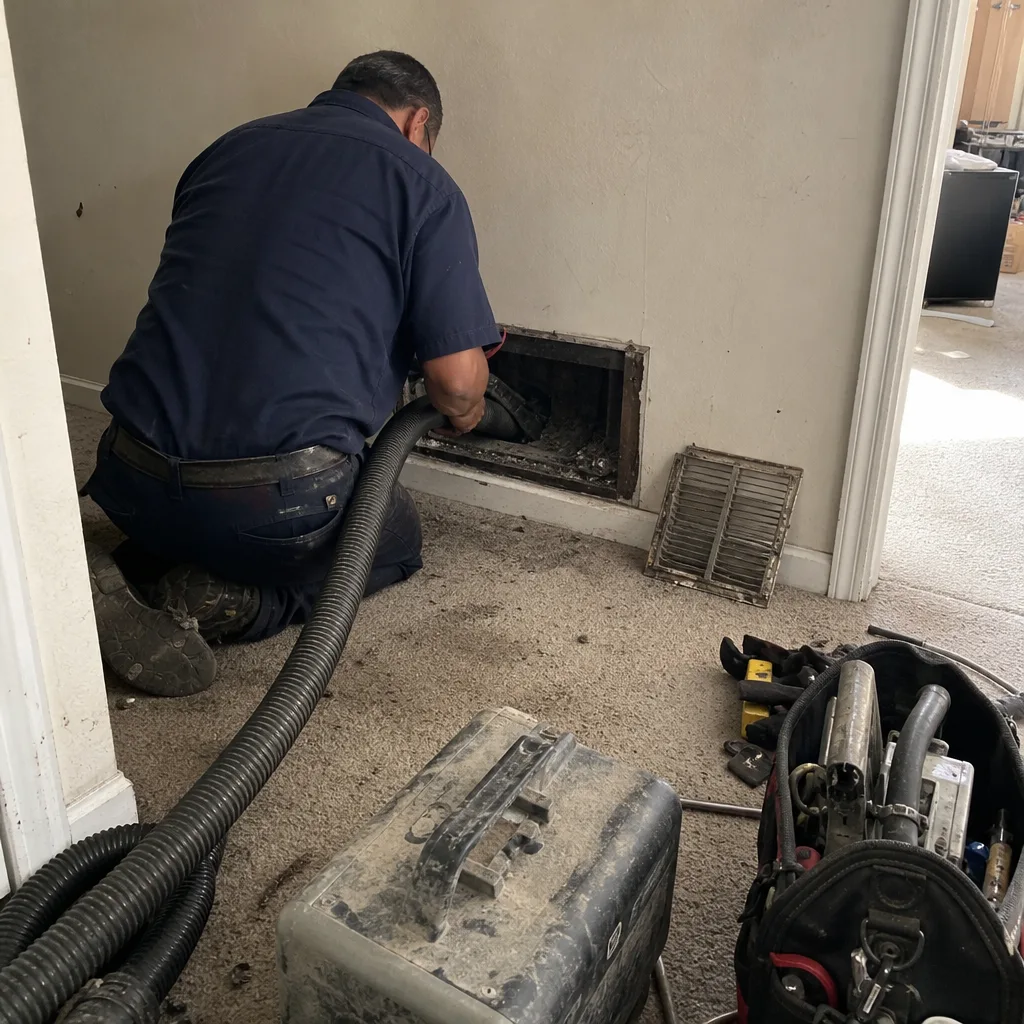 Before
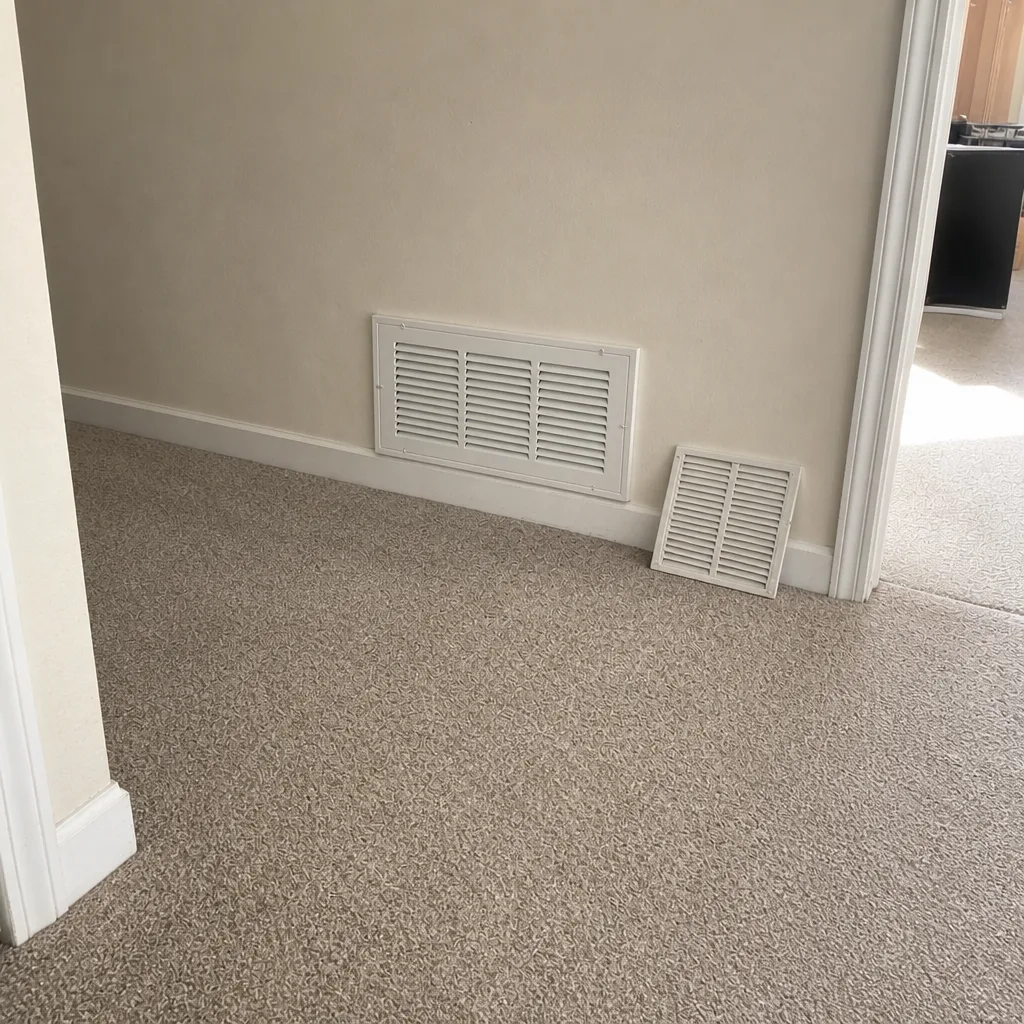 After
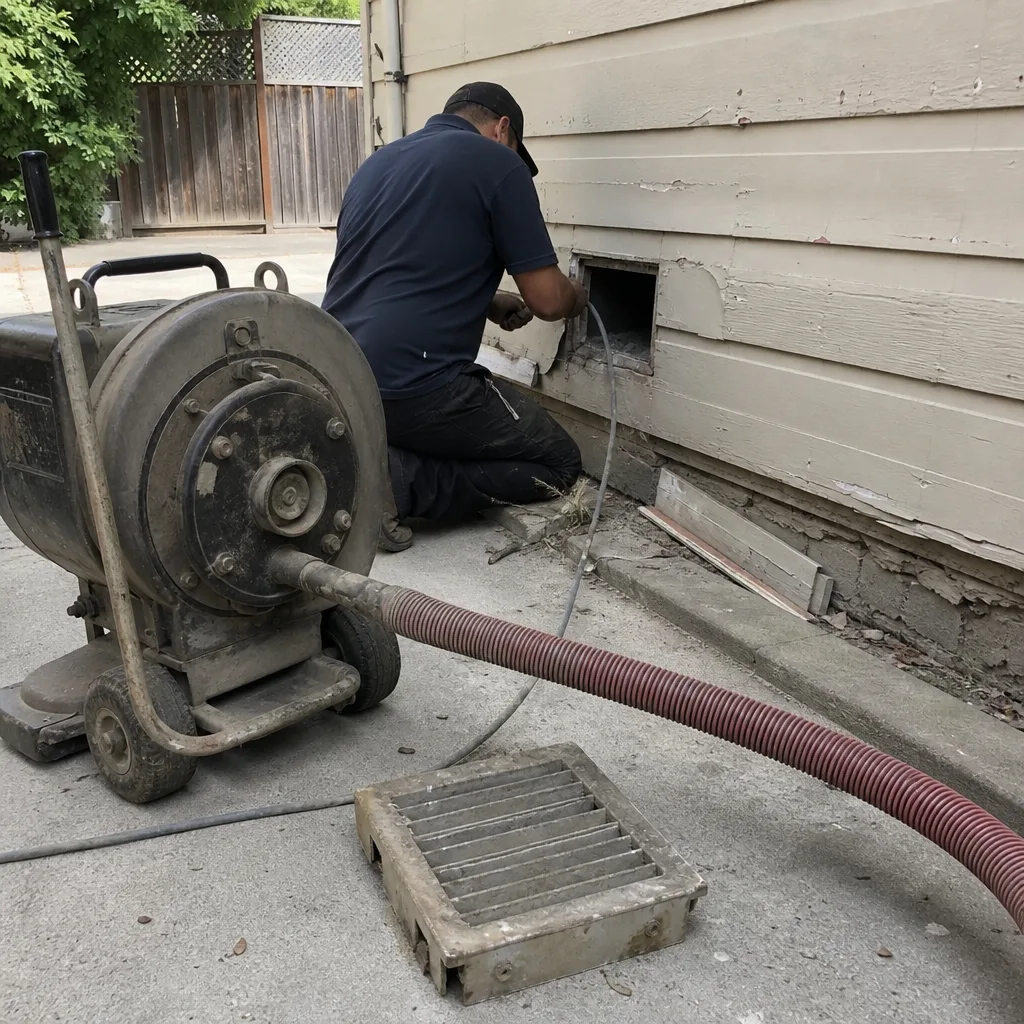 Before
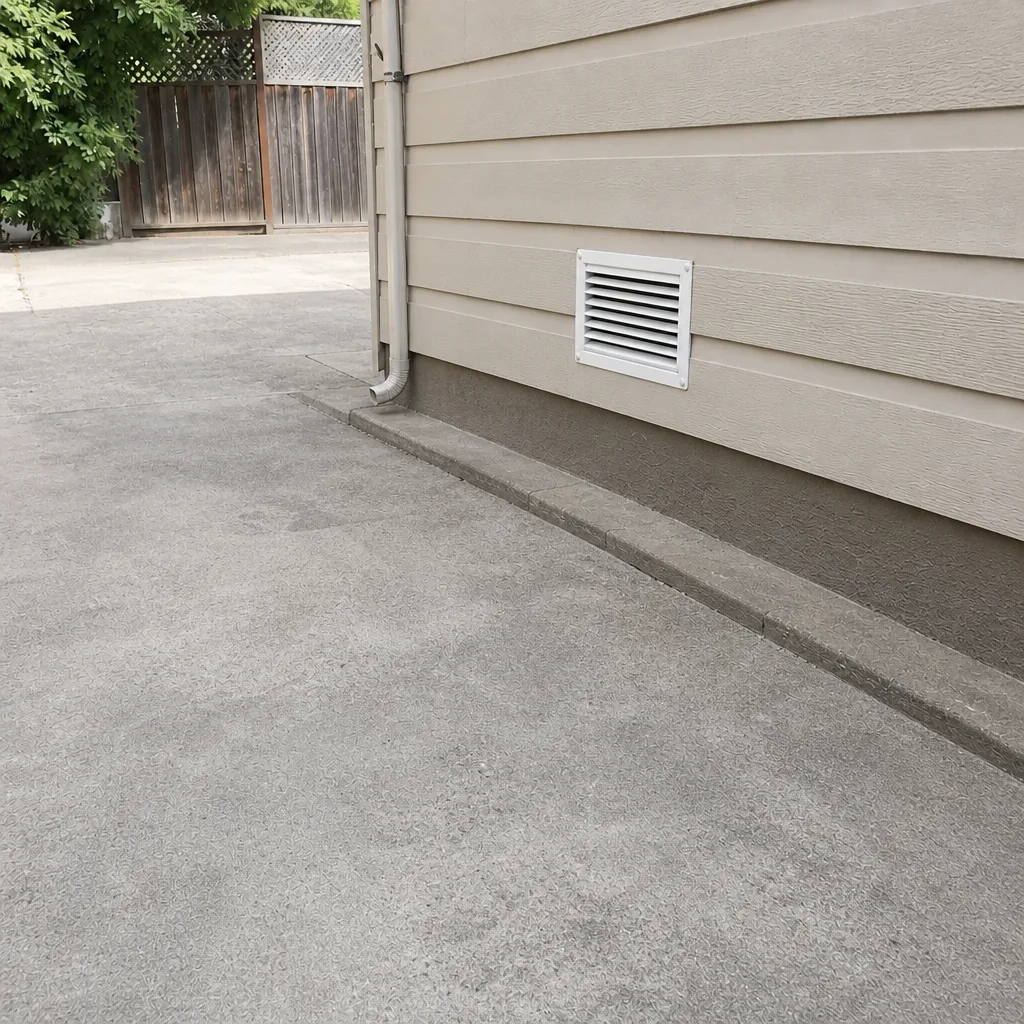 After
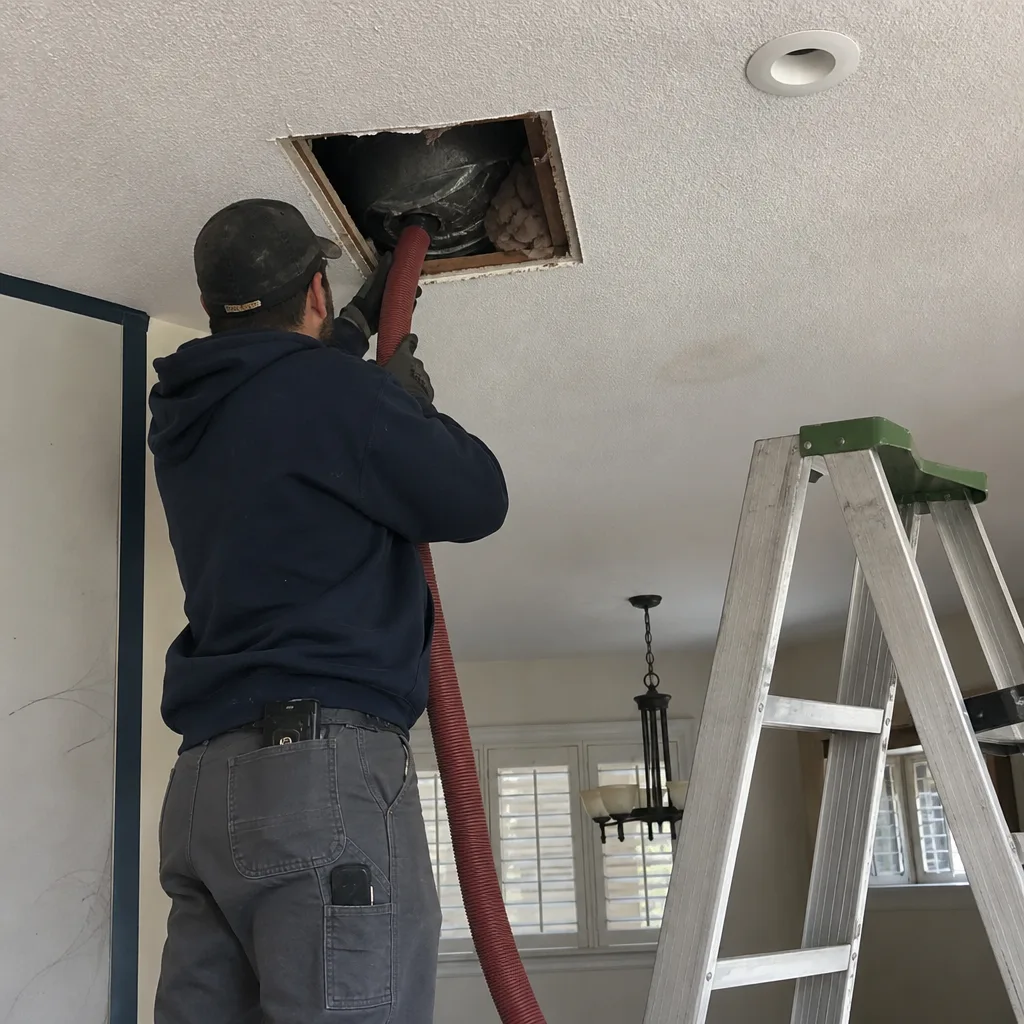 Before
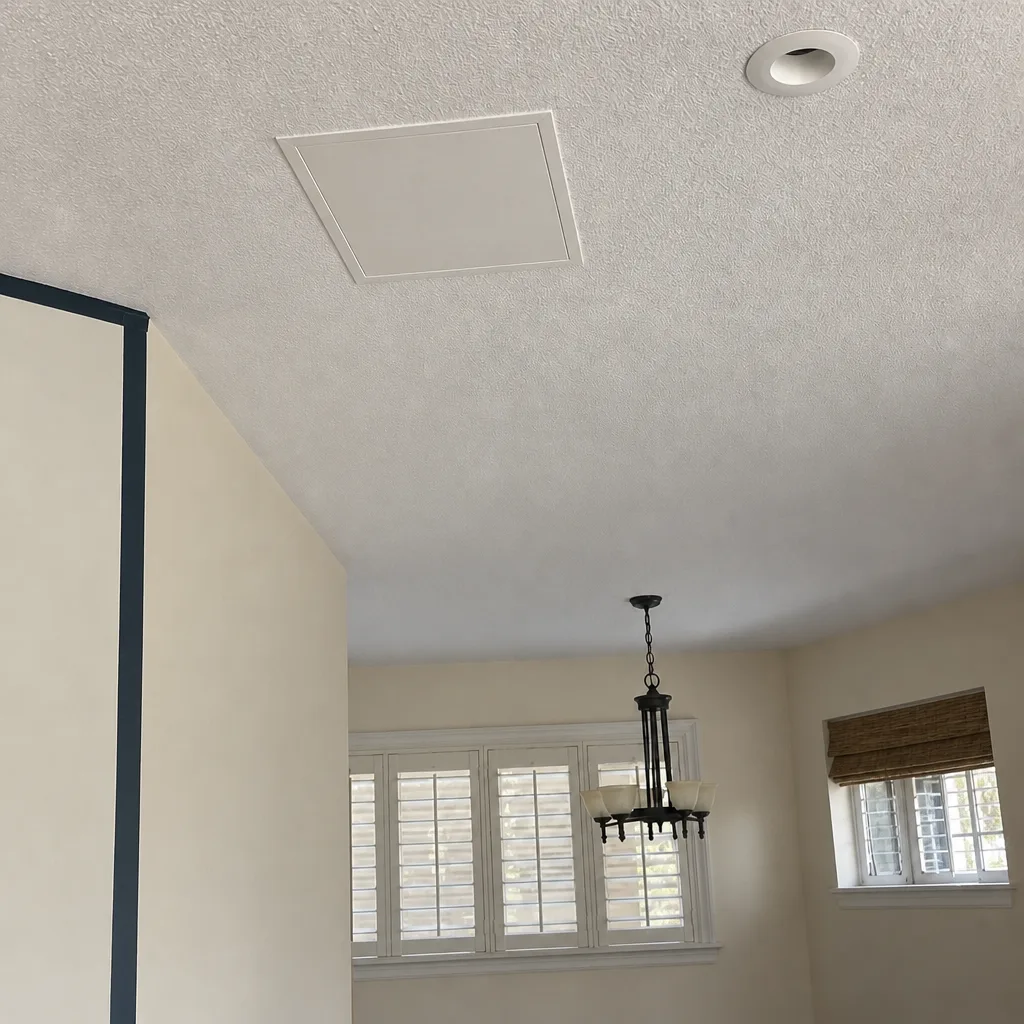 After