
Last updated November 4, 2026
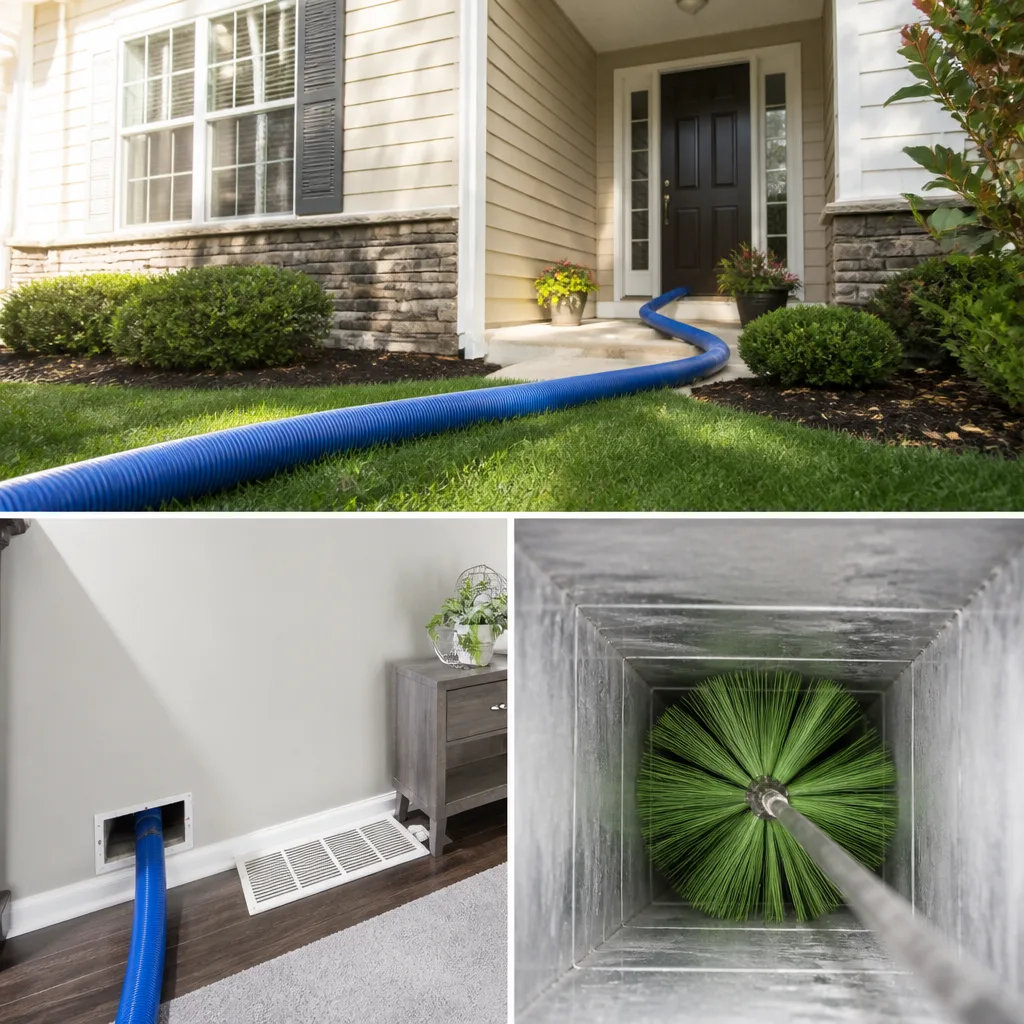 Whole-home duct cleaning
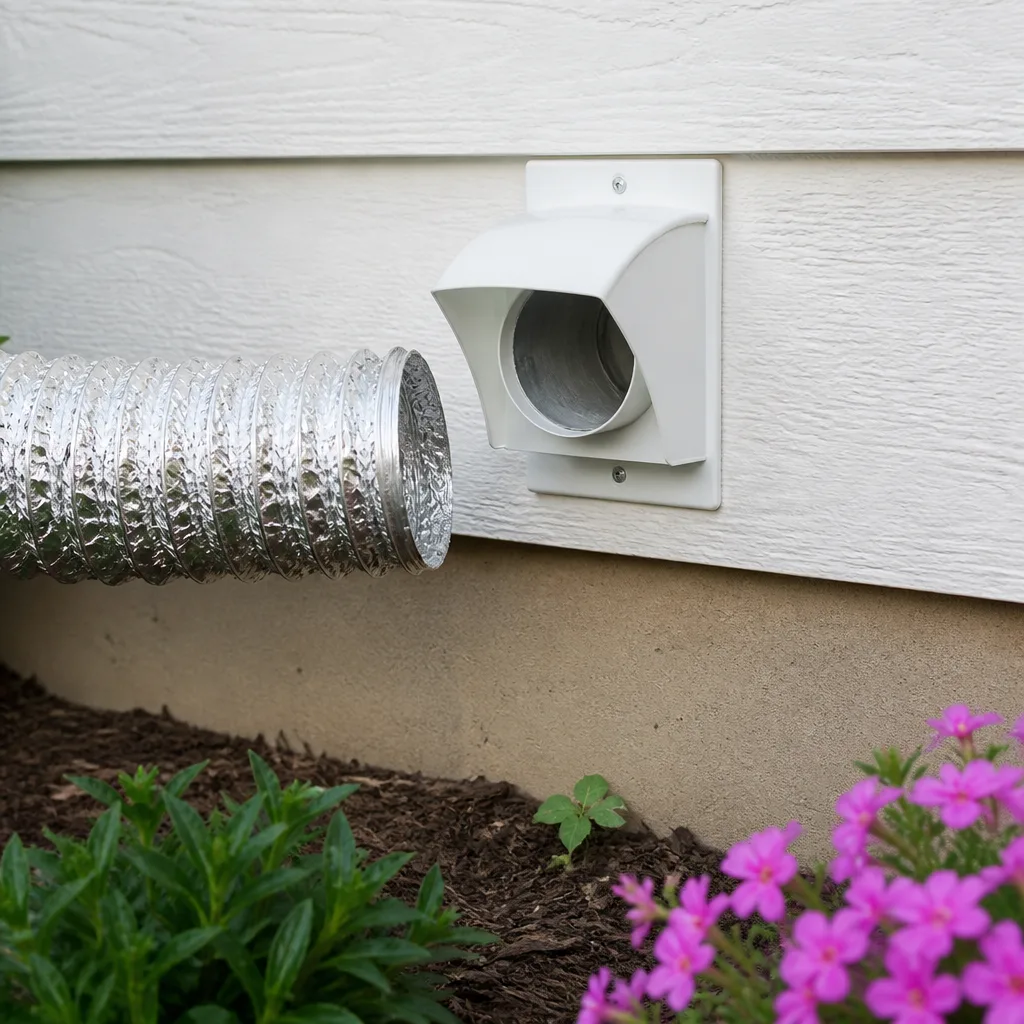 Dryer vent cleaning
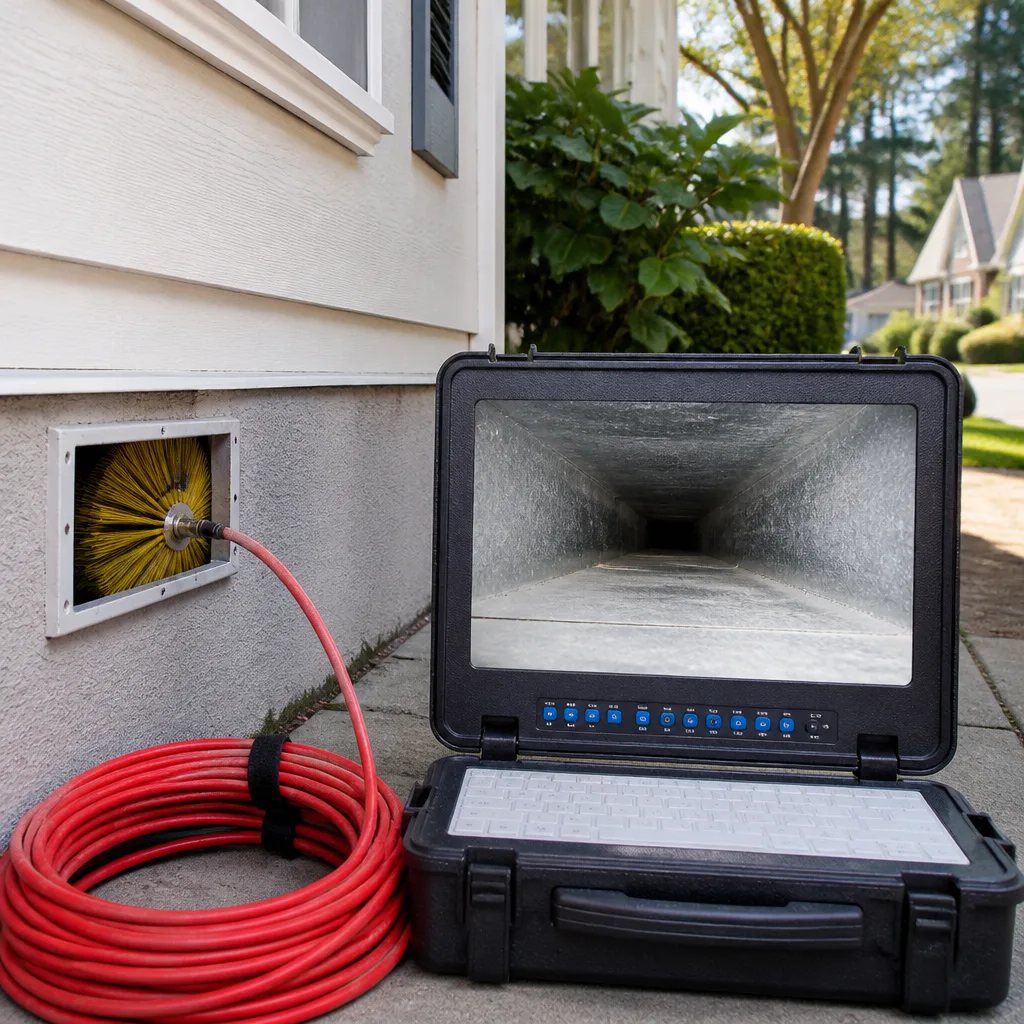 Camera inspection
 Sanitizing & deodorizing
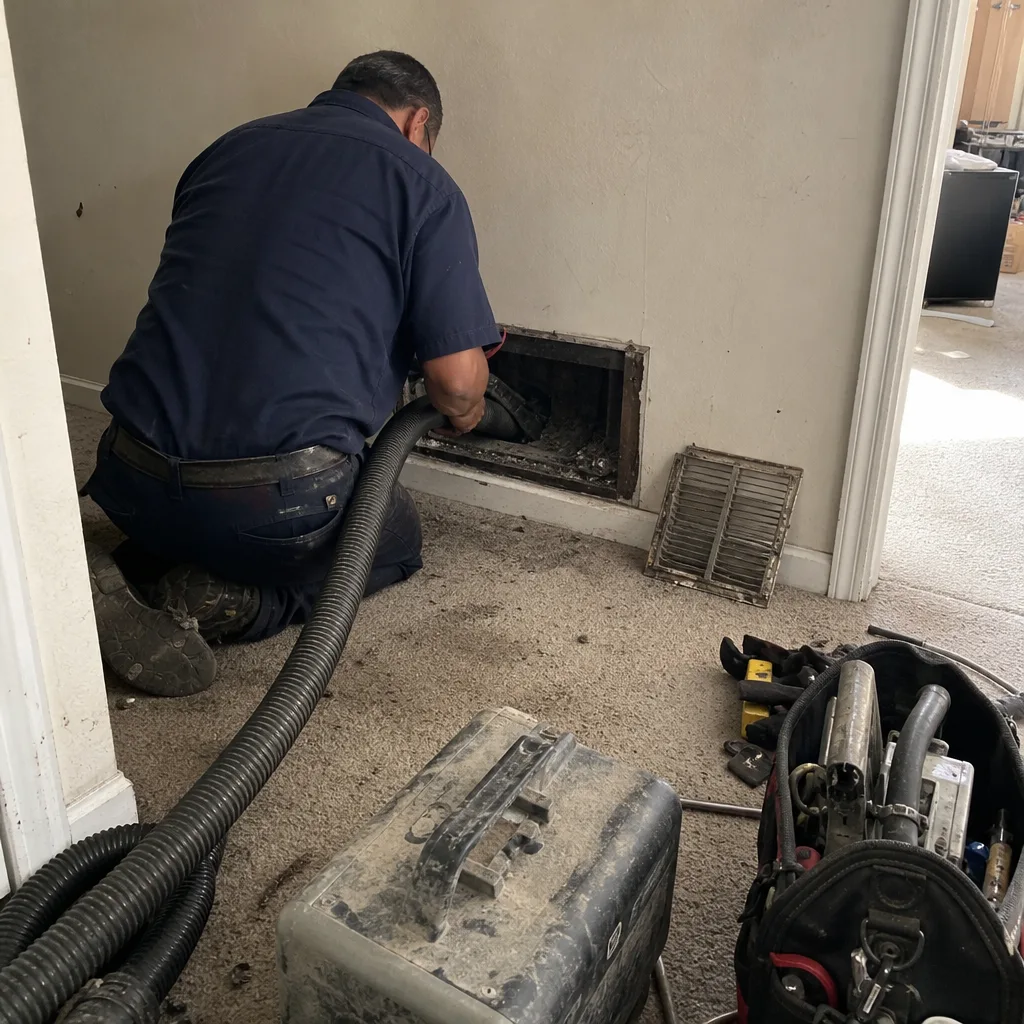
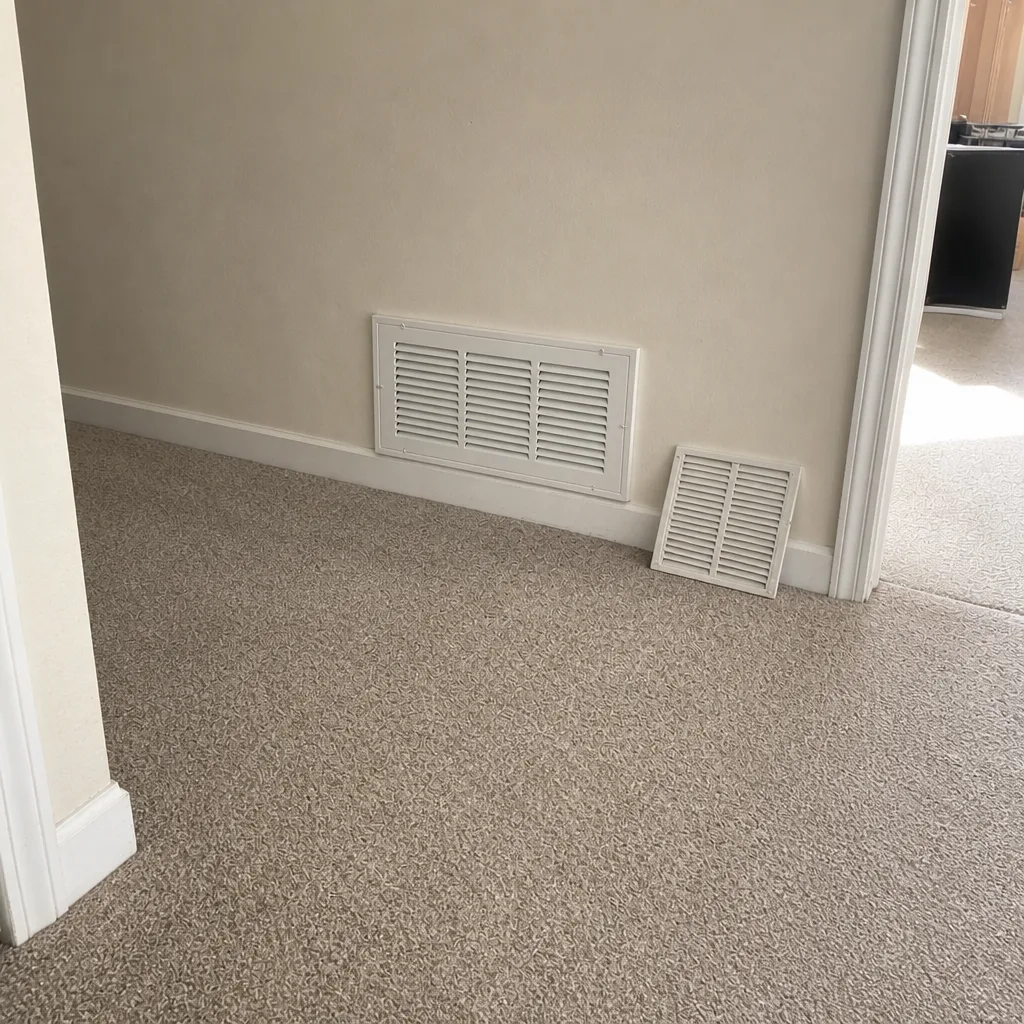
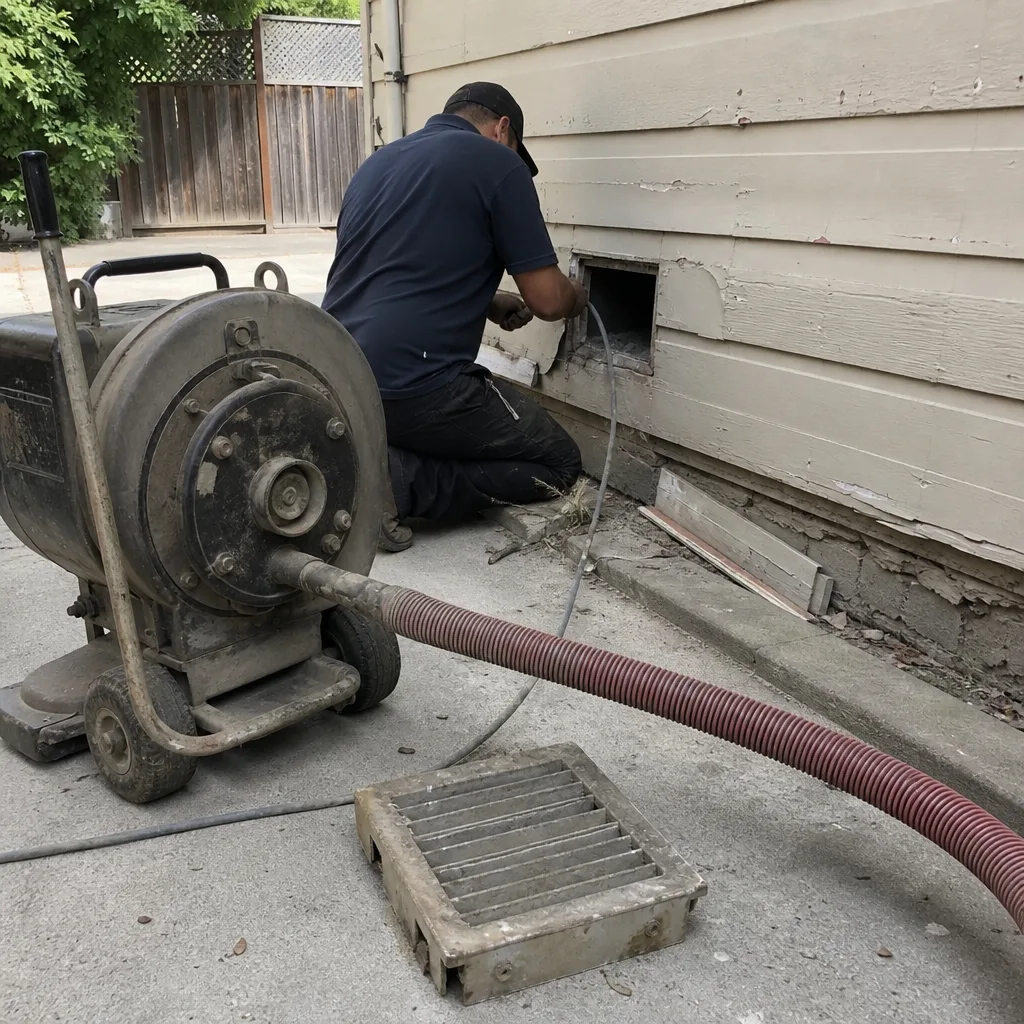
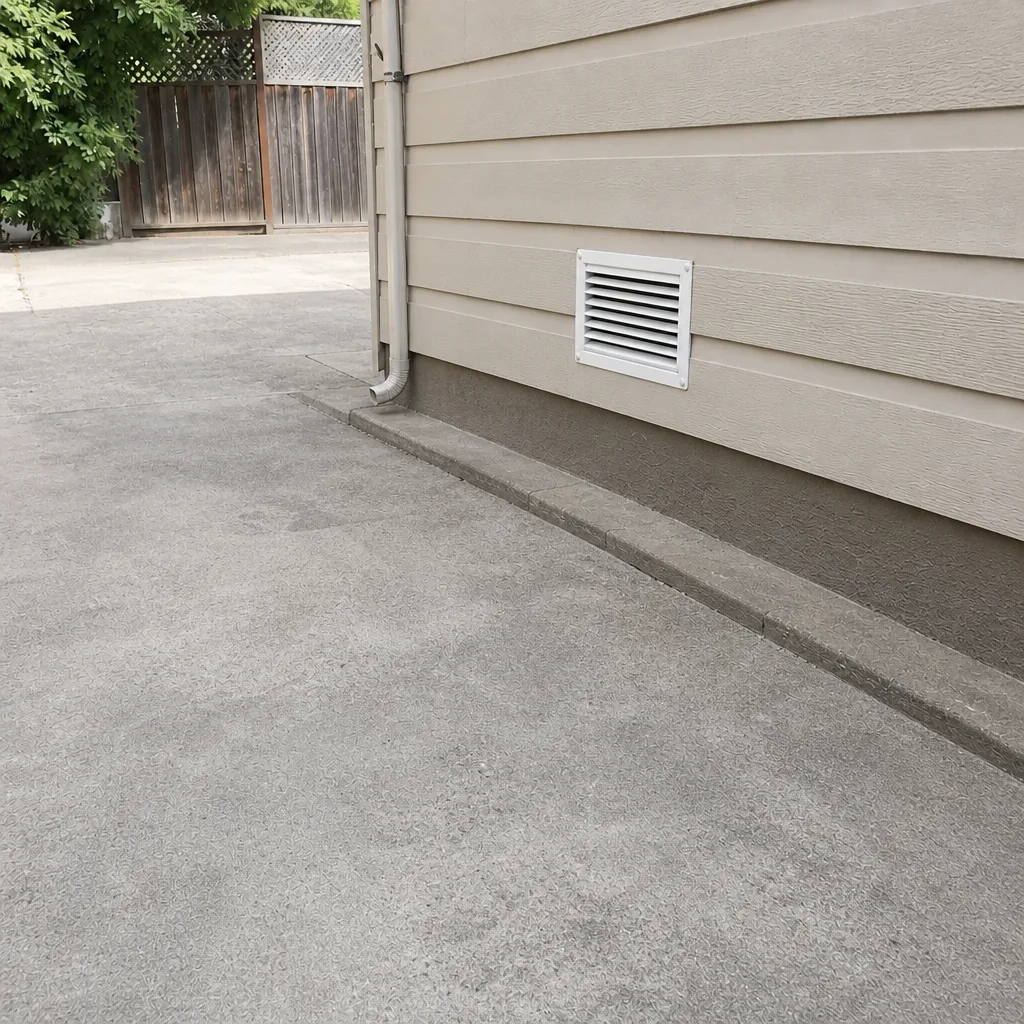
Whole-system duct and dryer vent check with before-and-after photos - you see exactly what came out of your vents
That "$99 whole-house special" is a bait ad - the real number appears once they are in your hallway, or the "clean" is a shop-vac at the register. We photograph the inside of your ducts before and after instead.
Air Duct Cleaning Cost Breakdown: The Livermore Homeowner’s Reference for 2026
Here’s something most homeowners don’t realize until they start comparing quotes: the $89 duct cleaning special you see advertised covers roughly one hour of labor and consumer-grade equipment. A professional negative-air setup alone costs more to own than that entire quote. This guide breaks down exactly what each price tier in the Livermore market actually buys you, what gets left behind in your ducts at each level, and how to compare quotes without getting caught in the bait-and-switch game that gives this industry its reputation.
Styles & brands we work with
- Whole-home duct cleaning
- Dryer vent cleaning
- Camera inspection
- Sanitizing & deodorizing
Quick Answer
Air duct cleaning in Livermore typically costs between $300 and $700 for a whole-system cleaning of a standard 3 – 4 bedroom home in 2026, depending on equipment class, duct accessibility, and system condition. Budget quotes under $200 almost always reflect vacuum-only methods that cannot physically scrub duct walls, while professional-grade quotes in the upper range include contact cleaning and negative-air containment that actually removes the debris instead of redistributing it.
Table of Contents
- What Each Cost Tier Actually Buys You
- Per-Duct vs. Whole-System Pricing: Why It Matters
- Legitimate Add-Ons vs. Upsells to Decline
- Livermore-Specific Cost Factors
- How to Compare Quotes on a Normalized Basis
- What Happens During a Professional Cleaning
- Common Mistakes to Avoid
- When to Call a Professional
- Frequently Asked Questions
- The Bottom Line
What Each Cost Tier Actually Buys You
Duct cleaning quotes in Livermore cluster into three distinct bands, and the difference between them isn’t just price. It’s equipment class, method, and time on the job. Understanding what happens mechanically at each tier is the single most useful thing you can do before accepting any estimate.
Budget Tier: $89 – $199
These quotes are built around a simple vacuum-and-brush approach. The technician typically brings a portable shop-vac or a small truck-mounted unit with a basic hose attachment. What this means practically: the equipment creates suction at the register opening but has no mechanism to physically agitate the debris stuck to the duct walls. Dust that’s adhered to the galvanized or flex duct surface simply stays there. The job usually takes 45 – 90 minutes for an entire home, which tells you the time economics aren’t there for anything resembling thorough work. In our experience, this tier often leads to a follow-up quote years sooner than you’d expect.
Mid-Range Tier: $300 – $500
Here you’re generally paying for better equipment and more time. Many operators at this level use rotating brush systems that insert into the ducts and physically dislodge debris, paired with a more substantial vacuum source. Some will set up a negative-air machine, though not always correctly. Time on site often reaches 2 – 4 hours for a standard Livermore tract home. The meaningful difference is that this tier usually includes agitation plus extraction, which is the minimum mechanical threshold for describing the work as “cleaning” rather than “vacuuming.” The limitation is often containment: without a properly sealed negative-air environment, dislodged particulate can escape into the living space during the very process meant to remove it.
Professional-Grade Tier: $500 – $900+
This is where the method changes fundamentally. The equipment is not a souped-up vacuum; it’s a containment system. A true professional setup uses contact cleaning, meaning a rotating brush head physically scrubs the duct-wall surface. That’s why we run Rotobrush contact-cleaning systems: the brush reaches the surface and removes what’s adhered there, not just what’s floating loose. Paired with that, a Nikro negative-air machine is set up to create a sealed vacuum environment, so anything dislodged gets captured at the source instead of released back into the rooms you’re trying to clean. This is the same thinking Abatement Technologies applies in remediation work: control the air, control the contaminant. Time on site for a whole-home job can run 4 – 6 hours because the work is systematic, register by register, trunk line by branch.
The price gap between tiers isn’t markup. It reflects what you’re actually buying: the difference between moving air over dust and removing dust from the system entirely.
Per-Duct vs. Whole-System Pricing: Why It Matters
Livermore’s housing stock makes this distinction particularly important. Most homes here are single-story or two-story tract builds with predictable HVAC layouts, frequently with crawlspace access for the duct runs. That predictability means a flat whole-system quote is usually the more honest number. Here’s why per-duct pricing tends to inflate on you:
- The counting game. A per-vent price of $35 doesn’t sound like much until you learn your 3-bedroom home has 14 supply registers, 3 returns, and says the plenum counts separately. That $35 becomes $600 before you’ve processed the math.
- Access charges drift in. Per-duct quotes often come with line items for “difficult access,” “crawlspace entry,” or “equipment setup” that a flat quote simply builds into the total.
- Returns get treated as premium. Some per-duct models charge more for return-side cleaning, arguing the return is dirtier. In a properly sealed system, the return is just another part of the same air path and should be included in a whole-system price.
- No incentive to finish the job. Per-duct pricing creates a business incentive to work fast, since each register is a unit of revenue. Flat pricing creates an incentive to work thoroughly, since the price is fixed and the quality is what brings you back for air duct cleaning on the next system or property.
For Livermore’s typical 3 – 4 bedroom homes with 12 – 20 total registers plus a trunk line, a flat whole-system quote between $400 and $700 is the more transparent model. It tells you the total before the work starts, and it removes the temptation for a technician to discover “extra vents” mid-job. One flat price per system, agreed before work begins, is the only way we quote.
Legitimate Add-Ons vs. Upsells to Decline
Not everything offered during a duct cleaning estimate is a scam, and not everything you need is included in the base price. Here’s how to sort the legitimate service extensions from the revenue padding.
Add-Ons Worth Considering
- Dryer vent cleaning. This is a genuinely separate service requiring its own tools and time. A clogged dryer vent is a documented fire risk, and Livermore’s dry summers don’t help: lint that would stay damp in a coastal climate bakes dry here. Expect $80 – $150 added to the job.
- Coil cleaning. If your evaporator coil hasn’t been cleaned in years, it’s coated in the same dust that’s in the ducts. Cleaning it requires opening the air handler. Legitimate shops charge a separate line item for this because it’s a separate labor operation, not a quick spray.
- Sanitizing treatments. In general, a post-cleaning antimicrobial fog can be legitimate after heavy contamination, but you should ask what product is being applied and why. If the answer is vague, decline. If the technician can show you the product label and explain the dwell time, it’s likely a real service.
Upsells to Question or Decline
- “Whole-home sanitization” without a stated reason. If the ducts aren’t visibly contaminated with mold or pest residue, a sanitizing treatment is often an expensive way to spray water into ducts.
- “Premium filter upgrade” sold as lifetime. Filters are consumables. Any filter sold as a one-time permanent purchase deserves skepticism.
- “Duct sealing” quoted from a duct cleaning visit. Sealing is real work, but it requires different equipment and diagnostics. If it’s offered as a quick add-on during a cleaning bid, it’s likely a spray product with a limited useful life.
- “Camera inspection” as a paid extra. A professional company that already has your registers open should show you before-and-after photos of your own ducts as part of the job, not charge a separate fee for the privilege of looking.
The rule is simple: a legitimate add-on addresses a named, observable condition. If someone can’t name the condition, they can’t honestly charge you to treat it.
Livermore-Specific Cost Factors
Duct cleaning costs are not identical from city to city. Livermore has a few local characteristics that genuinely affect what a job involves and what it should cost.
Crawlspace Duct Access
A significant share of Livermore homes, especially those built between the 1960s and 1990s, run their ductwork through crawlspaces rather than attics. From a cleaning standpoint, this changes the labor equation. Crawlspace work means a technician is working on their back or knees in a confined space, running the extraction hose and brush line through the foundation vents. It’s slower work than attic access, and it shouldn’t be done by someone rushing. A flat quote on a crawlspace home should be higher than an attic-access home of the same size, maybe $50 – $150 more, simply because of the physical access difficulty. If a company quotes a crawlspace job at the same price as an attic job, ask how they’re budgeting time for the access.
Pre-1985 Galvanized Duct Systems
Older Livermore homes often still have their original galvanized steel ductwork. Galvanized duct is actually a good surface for cleaning: it’s rigid, smooth, and can handle aggressive contact cleaning without damage. But it also has seams and joints where decades of dust can compact. And if the ducts were installed before modern sealing standards, there can be small gaps where the system has been pulling air from the crawlspace for years. What that means for cost: if you have a pre-1985 home with original metal ducts and they’ve never been cleaned, expect the job to take longer and price accordingly. A reputable company won’t hit you with a surprise “old duct surcharge”; they’ll just quote the job accurately from the start.
Post-Wildfire Decontamination
Livermore sits in a region where wildfire smoke is a recurring seasonal reality. When the hills burn to the east or the prevailing winds carry smoke through the Tri-Valley, that particulate finds its way into homes and into HVAC systems. Smoke-contaminated ducts require a different cleaning approach: repeated contact passes to remove the fine soot that adheres to the duct walls, plus filter replacement and often a detailed coil cleaning. This is not a standard cleaning and should not be priced like one. If you’re calling for a cleaning after a heavy smoke season, say so up front and ask what the company does differently for smoke-impacted systems. A company that treats smoke damage like ordinary dust isn’t doing the job you’re paying for.
How to Compare Quotes on a Normalized Basis
Most Livermore homeowners get two or three quotes and end up comparing numbers that aren’t actually comparable. One company is quoting a one-hour vacuum pass; another is quoting a four-hour containment job. The number is lower or higher, but the number isn’t the information you need.
Here’s how to normalize the comparison so you’re actually comparing method against method, not number against number:
- Ask what equipment will be used on the job, by name. Not “professional equipment.” The specific names. If the answer is “a truck-mounted vacuum,” you’re comparing against vacuum-only work. If it’s a contact-cleaning brush system plus a negative-air machine, that’s a different service class entirely.
- Ask how long the job will take. A whole-home cleaning of a typical Livermore 3 – 4 bedroom with 12 – 20 registers done properly takes hours, not 45 minutes. If the time estimate sounds like a lunch break, the job is being scoped too cheaply to be thorough.
- Ask whether the price is per-vent or per-system. A per-vent price multiplies. A per-system flat price is the total. Get the flat number in writing.
- Ask whether containment is part of the job. The critical question: “When you dislodge the dust, how do you make sure it doesn’t end up in the living room?” If the answer doesn’t describe a negative-air containment setup, the method has a gap.
- Ask what’s included and what’s extra. Returns, trunk line, plenum, registers: are they all in the base price? Dryer vent, coil, sanitizing: what are the line-item add-ons and why?
- Ask for before-and-after photos of your own ducts. Not a sample photo from another job. Your system, photographed before and after, as part of the service. If a company won’t do this, that’s information.
Write down the answers. You’ll quickly see that the quotes aren’t variations on the same service. They’re bids for different services that happen to share a name.
What Happens During a Professional Cleaning
If you’ve never watched a duct cleaning done properly, you might not know what you’re paying for when the quote comes in at $600 instead of $129. Here’s what the four or five hours of work actually looks like.
- Setup and protection. The crew lays down floor protection from the entry to the furnace closet and adds corner guards on tight turns. The space around the air handler gets covered to keep dislodged debris from landing on your floors.
- System inspection. Registers come off, and the technician checks the condition of the duct runs, the plenum, and the return path. At this point, any problems like collapsed flex duct or separated joints get photographed and noted.
- Negative-air setup. A Nikro negative-air machine is connected to the system, creating a contained vacuum environment. This is the step that separates professional work from vacuum-only work: the entire duct system runs under negative pressure, so dislodged material is pulled to the machine, not pushed into the house.
- Contact cleaning and agitation. With the negative-air environment running, a Rotobrush contact-cleaning head is worked through each branch, trunk, and return. The rotating brush physically scrubs the duct walls. Compressed air agitation may be used on stubborn deposits in the trunk line.
- Register and grille cleaning. Registers, grilles, and accessible plenum surfaces get cleaned by hand. The return side often needs the most attention because it’s the side pulling the house’s air.
- Final inspection and photos. The technician walks you through before-and-after photos of your own ducts. This is the part that matters: if someone is willing to show you what changed, you don’t have to take it on faith.
That’s what a quote should be paying for. Not just moving a hose around for an hour, but a contained, scrubbed, documented process that leaves the system mechanically cleaner than it started.
Common Mistakes to Avoid
- Choosing the lowest quote without asking what it includes. A sub-$200 job in Livermore is, by definition, not a contained contact cleaning. You’re paying to have the loose dust vacuumed and the compacted dust left behind.
- Accepting a per-vent price without doing the multiplication first. Multiply the per-vent number by your actual register count plus the trunk line, then compare that total to a flat whole-system quote. Write it down and look at the two numbers side by side.
- Skipping the question about containment. If the dislodged dust isn’t being captured at the source by a negative-air machine, some of what was in the ducts is ending up in the air you breathe during the cleaning itself. Ask the containment question before you book.
- Assuming all homes in the Tri-Valley are the same. A quote for an attic-access 1980s tract home and a crawlspace-access 1960s ranch are not the same job. Don’t anchor on what a neighbor in a different neighborhood paid.
- Declining dryer vent cleaning because it’s “not ducts.” It’s a separate safety item with a separate failure mode. Lint is the leading material in residential dryer fires, and Livermore’s dry air makes lint even more combustible. It belongs on the same work order.
- Not asking for your own before-and-after photos. A company that can’t show you what changed inside your own system after the work is asking you to trust the invoice, not the result. Photos are the documentation that the work happened.
- Waiting until there’s a problem to clean. Duct cleaning is maintenance, not repair. If you wait until airflow is noticeably weak or the dust on surfaces is visibly worse, the system has been circulating that particulate for a long time already.
When to Call a Professional
Some situations don’t need a guide to interpret; they need a trained technician with the right equipment to look at the system in person. If you notice a musty smell that appears when the HVAC runs but not when it’s off, that’s often a sign of moisture in the duct system or air handler, and it’s better assessed than ignored. If you see visible dust being blown from registers when the system starts, the ducts have accumulated enough debris that airflow is carrying it into the living space. If a renovation has left drywall dust throughout the system, that fine particulate will keep circulating until it’s mechanically removed. And after a heavy wildfire smoke season in the hills east of Livermore, if the air in the house still smells like smoke weeks after the skies are clear, the duct film and filter media are likely carrying it. Duct Cleaning Livermore offers free estimates in Livermore. Call (833) 593-6464. We answer 24/7. Fast dispatch from 7am to 7pm, Sunday through Friday.
Frequently Asked Questions
A whole-system air duct cleaning for a standard 3 – 4 bedroom Livermore home typically runs $300 – $700 in 2026, with homes requiring crawlspace access or carrying years of accumulated debris landing in the upper half of that range. The written estimate sets the final price, and the estimate is free. Call (833) 593-6464 for a precise number on your system.
Cheaper quotes reflect cheaper method: vacuum-only work with consumer-grade equipment, less time on site, and no mechanical agitation or containment. A professional negative-air machine and contact-cleaning system represent a capital investment that simply cannot be amortized into a $99 job. You’re comparing different services wearing the same name. For an honest breakdown of what your number should include, call (833) 593-6464. We answer 24/7. Fast dispatch from 7am to 7pm, Sunday through Friday.
The only verification that matters is before-and-after photography of your own ducts, taken during the job and shown to you before the crew leaves. If a company won’t commit to that, they’re asking you to trust an invoice instead of evidence. Our process includes photos of your system, not a sample from another job.
Per-vent pricing isn’t automatically dishonest, but it creates an incentive to count generously and work quickly. A flat whole-system price removes that incentive and gives you the total before work starts. For Livermore’s typical tract home layouts, a flat quote is the more transparent model. Ask for the flat number in writing before you compare.
Yes, if the smoke was heavy and sustained. Wildfire smoke particulate is fine enough to adhere to duct walls and lodge in filter media, and it can keep releasing odor for months. A smoke-impacted system needs a more thorough contact cleaning, not a standard pass. Tell the company the home was in a smoke zone so the job is scoped correctly from the estimate.
Most systems benefit from a professional cleaning every 3 – 5 years, with the shorter interval applying to homes with pets, residents with allergies, recent renovation work, or a smoke season in the history. Homes with well-maintained filtration and no unusual dust sources can go longer. Call (833) 593-6464 for an honest assessment of your system. Estimates are free.
The Bottom Line
Duct cleaning in Livermore is a market where the price almost always tells you the method. Under $200, you’re paying for a vacuum pass. Between $300 and $500, you’re typically getting agitation plus extraction. Above $500, you should be getting contact cleaning with negative-air containment and real documentation. Crawlspace access, older galvanized duct, and post-wildfire contamination all legitimately move the price. Before you accept any quote, get the equipment names, the time estimate, the flat price in writing, and a commitment to your own before-and-after photos. The difference between a cheap cleaning and a real one is measurable in the air you breathe and the dust that stays gone.
Written by the team at Duct Cleaning Livermore, serving Livermore since 2015.
See the difference
 Before
 After
 Before
 After
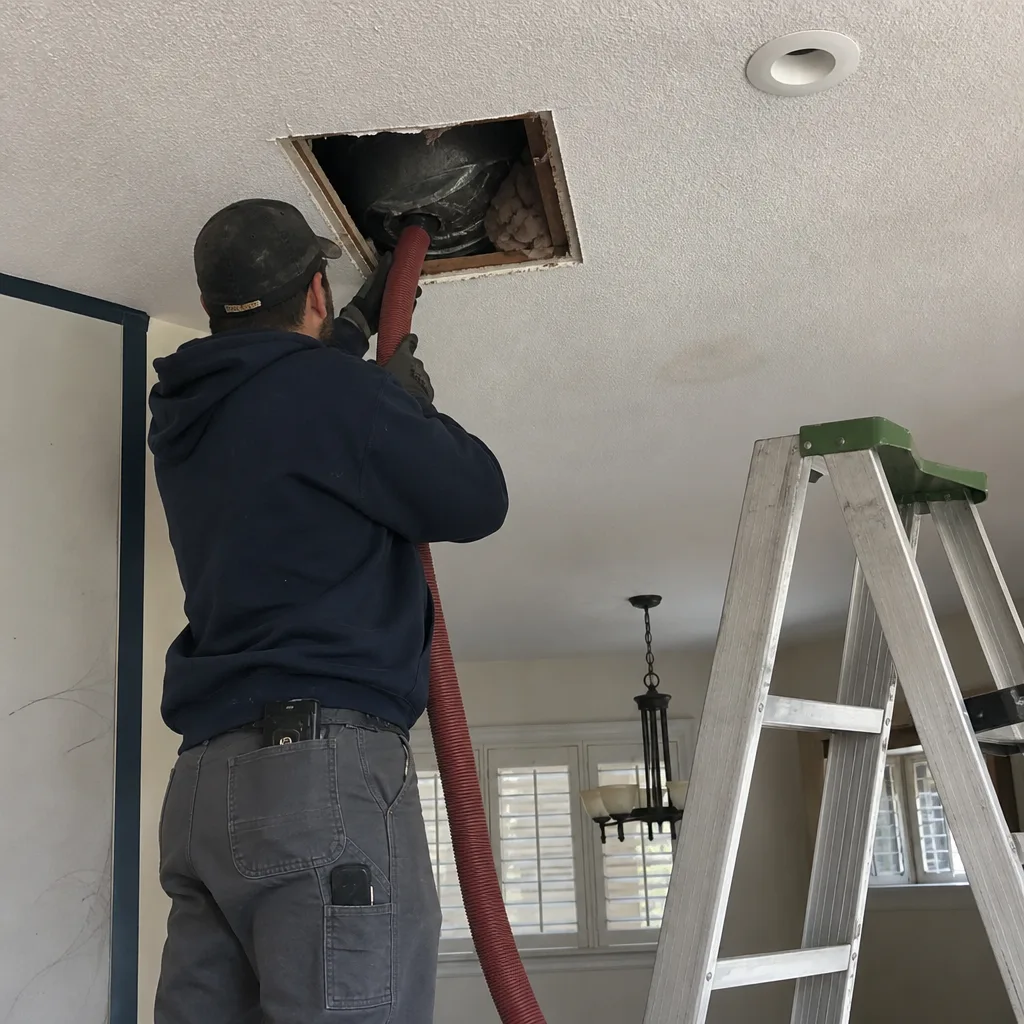 Before
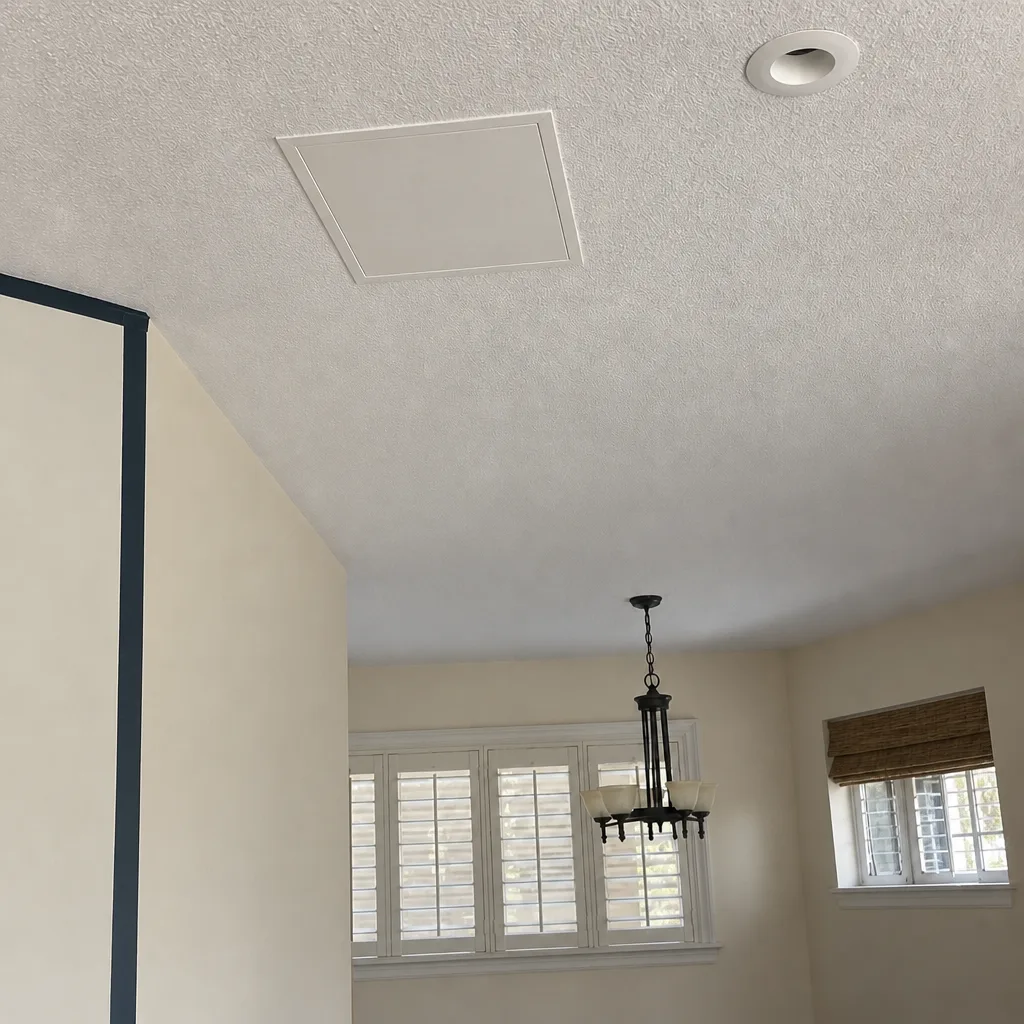 After