
Last updated November 4, 2026
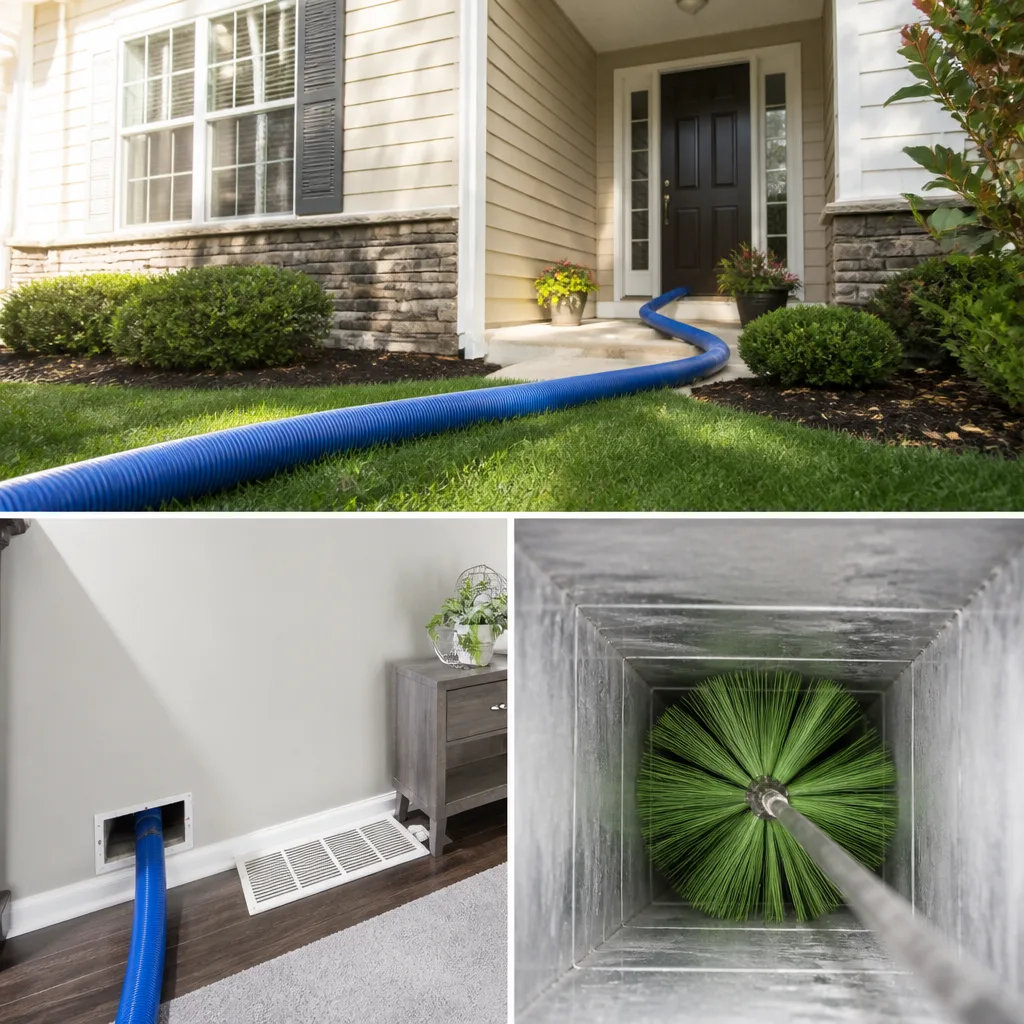 Whole-home duct cleaning
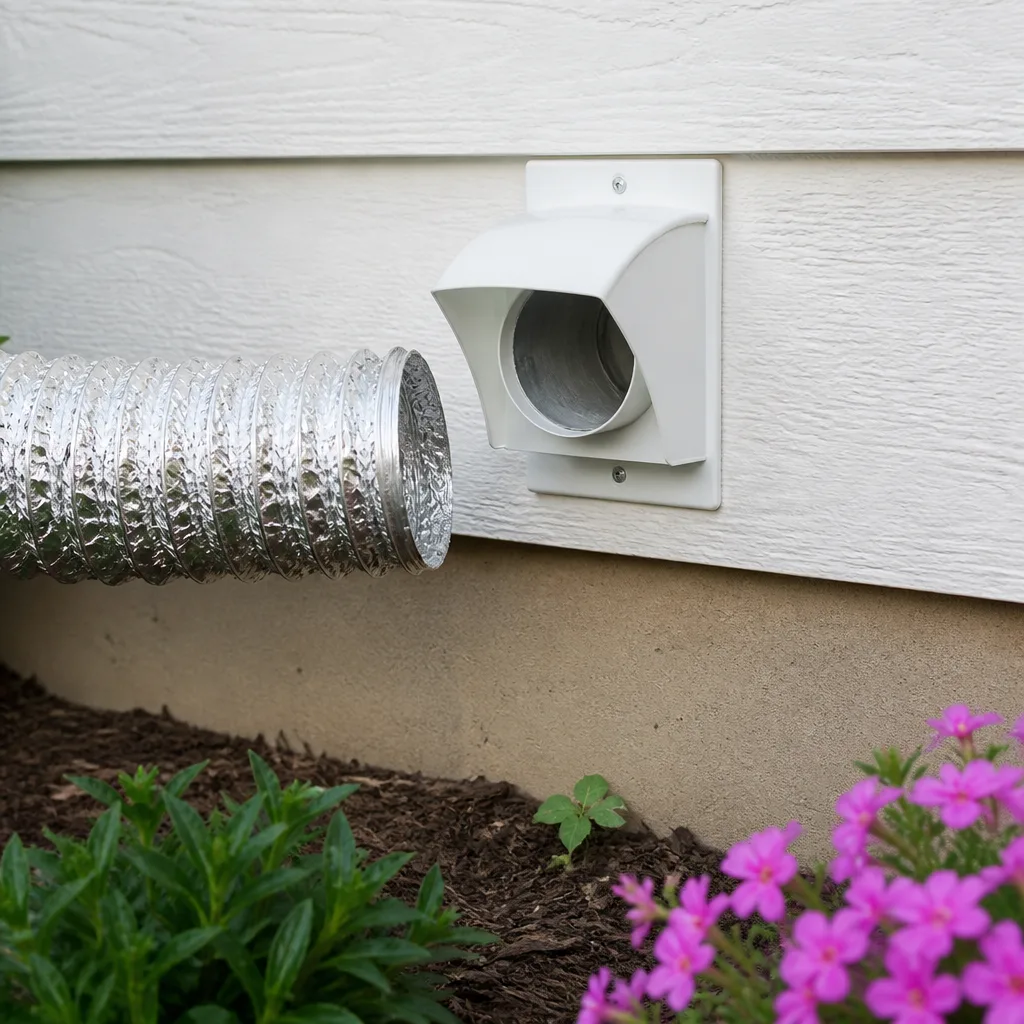 Dryer vent cleaning
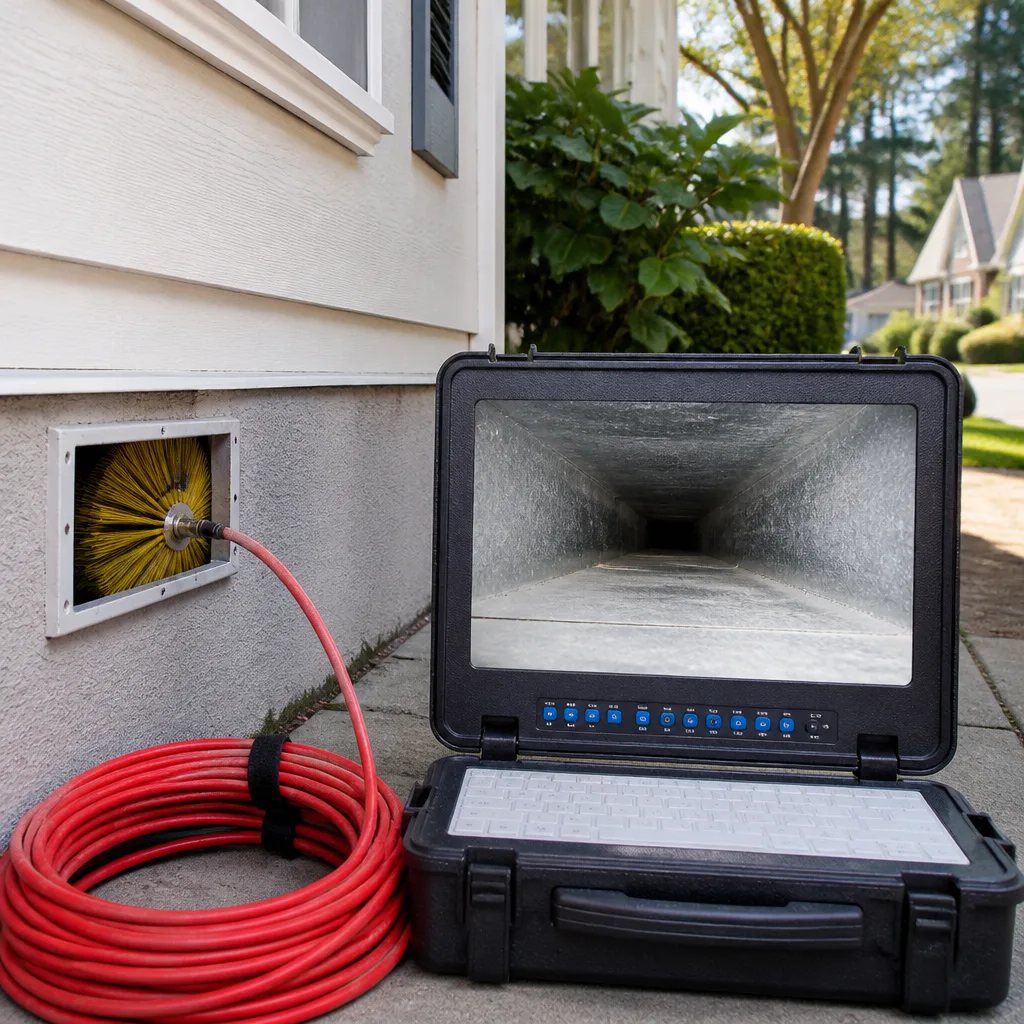 Camera inspection
 Sanitizing & deodorizing
Whole-system duct and dryer vent check with before-and-after photos - you see exactly what came out of your vents
That "$99 whole-house special" is a bait ad - the real number appears once they are in your hallway, or the "clean" is a shop-vac at the register. We photograph the inside of your ducts before and after instead.
Air Duct Cleaning Maintenance Checklist for Livermore Homeowners
Here’s a counterintuitive fact most Livermore homeowners never hear: upgrading to a high-MERV filter can actually make your ducts dirtier, not cleaner. If you swapped your basic 1-inch filter for a MERV-13 without checking your blower’s static pressure rating, you may have created more duct contamination than you prevented. Air that can’t move freely through an overly restrictive filter finds another path, and in many older Livermore homes, that path is a gap in the return ductwork, pulling unfiltered attic or crawlspace air directly into the system. This guide breaks down the real maintenance chain: what you should do twice a year, what belongs on a professional schedule, and why the order of those tasks matters more than most people realize.
Quick Answer
A practical air duct cleaning maintenance checklist for Livermore homeowners breaks into three parts: bi-annual homeowner tasks (filter replacement, register inspection, visible dust checks), annual professional tasks (contact cleaning, negative-air containment service, coil and plenum inspection), and event-driven tasks (post-wildfire smoke protocols, post-renovation cleaning). Most homes in Livermore benefit from professional duct cleaning every 2 to 4 years, with more frequent service when pets, recent construction, or Tri-Valley fire-season smoke load the system faster. The goal isn’t just cleaning the ducts. It’s keeping them clean by managing the whole air path.
Styles & brands we work with
- Whole-home duct cleaning
- Dryer vent cleaning
- Camera inspection
- Sanitizing & deodorizing
Table of Contents
- The Maintenance Chain: Why Duct Cleaning Alone Isn’t Enough
- Bi-Annual Homeowner Tasks: What You Own
- Annual Professional Tasks: What We Handle
- Filter Selection by MERV Rating: The Livermore-Specific Problem
- Register and Grille Inspection Checklist
- Tracking Intervals: Building a Defensible Maintenance Record
- Post-Wildfire Smoke Protocol for Livermore Homes
- Common Mistakes to Avoid
- When to Call a Professional
- Frequently Asked Questions
The Maintenance Chain: Why Duct Cleaning Alone Isn’t Enough
Think of your duct system as a chain with several links: the return registers, the return ductwork, the filter, the blower, the supply plenum, the supply ducts, and the supply registers. A failure at any link loads the entire system with contamination. We’ve cleaned ducts in Livermore homes where the ducts themselves weren’t the primary problem. The register boots had pulled away from the drywall, allowing wall-cavity air to bypass the filter entirely. The ducts re-contaminated within months because the real issue was never addressed.
This is why a maintenance checklist that only says “clean the ducts” misses the point. The surrounding steps – filter protocol, register sealing, coil condition – determine how fast the ducts get dirty again. Skipping them means paying for duct cleaning more often than you should, and breathing air that isn’t as clean as the duct service alone would suggest.
How Livermore’s Climate Affects the Chain
Livermore’s hot, dry summers and mild winters create a specific contamination pattern. The long cooling season means your system runs continuously for months, pulling whatever is in your return path across the coil and into the supply side. Dry conditions create fine particulate – dust from the Altamont hills, pollen from the valley’s oak and grass, and road dust from neighborhoods across the city. That fine material coats blower wheels and evaporator coils faster than the coarse dust you see on register grilles. By the time dust is visible on a supply register, the system has usually been circulating finer particles for a while.
Professional air duct cleaning that uses contact cleaning methods – physically scrubbing duct-wall surfaces rather than just vacuuming loosely suspended debris – removes the adhered particulate that vacuum-only methods leave behind. But the homeowner’s job between cleanings is to control what enters the system in the first place. That’s where the bi-annual checklist comes in.
Bi-Annual Homeowner Tasks: What You Own
Twice a year – ideally in spring before cooling season and in fall before heating season – run through this list. It takes about 30 minutes and prevents most of the issues that accelerate duct contamination.
- Replace or clean the air filter. Most 1-inch filters should be replaced every 60 to 90 days, which means twice a year is the minimum, not the goal. During Livermore’s long cooling season, check monthly. Write the installation date on the filter frame with a permanent marker so you never guess.
- Walk the house and inspect every register and return grille. Look for dust accumulation patterns. A register that’s noticeably dustier than its neighbors often indicates a disconnected collar or a gap in the duct run feeding it. Tap the grille lightly – a rattle can mean a loose connection behind the wall.
- Check for musty or stale odors when the system first starts. The first few seconds of airflow tell you a lot. A musty smell on startup often points to moisture in the duct lining or microbial growth on the coil. A dusty smell is more likely accumulated debris in the supply plenum. Both are worth tracking.
- Clear obstructions around outdoor condenser units and vents. Livermore’s dry summers produce a lot of leaf litter and dust. Make sure the condenser has at least two feet of clearance, and confirm no return ducts in crawlspaces or attics have been disturbed by rodents or construction.
- Run the blower for five minutes with the filter removed (system off, filter out, fan on). This isn’t a DIY cleaning step. It’s an observation step. If you see visible dust blowing from supply registers with the filter out, the supply side of the system is already contaminated and professional service is warranted.
None of these tasks replace professional cleaning. They extend the interval between professional visits by controlling what enters the system. A homeowner who changes filters on schedule and inspects registers twice a year is not preventing all duct contamination – they’re preventing the preventable portion of it.
Annual Professional Tasks: What We Handle
Some tasks require equipment and access that homeowners don’t have. Here’s what belongs on the professional side of the checklist, and why each step matters.
- Contact cleaning of all supply and return duct surfaces. A Rotobrush contact-cleaning system physically scrubs duct-wall surfaces rather than relying on vacuum suction alone. The spinning brush head agitates the adhered particulate, and the vacuum captures it at the source. This is mechanically different from a shop-vac and brush approach, which can loosen debris without capturing all of it. The result is a cleaner duct wall, not just a less dusty floor of the duct.
- Negative-air containment during service. Nikro negative-air equipment creates a contained vacuum environment while cleaning is happening. The air pressure inside the duct system drops below the surrounding room pressure, so anything dislodged during cleaning flows toward the collection unit rather than into your living space. This matters in Livermore homes where the furnace closet is near finished living areas – without negative air, cleaning can redistribute contaminants into the room where the equipment is set up.
- Coil and blower inspection. The evaporator coil sits downstream of the filter. If filters have been neglected or bypassed, the coil loads with a wet, dust-caked film that reduces airflow and creates a surface where biological growth can start. A professional inspection identifies whether the coil needs cleaning – a service that goes hand-in-hand with duct work but is not the same thing.
- Register boot and collar verification. Every register boot connects the duct run to the room. If a boot has separated from the drywall or the collar has slipped, air leaks into wall cavities and pulls unfiltered air into the system. Professional service includes checking these connections and sealing gaps where they exist.
- Plenum and trunk line inspection. The supply plenum is the large box above the furnace or air handler. It’s often the dirtiest part of the system because it’s downstream of the filter and upstream of the branch ducts. A visual inspection with a camera identifies whether the plenum needs cleaning or repair.
When you’re comparing services in Livermore, ask specifically whether the company uses negative-air containment and contact cleaning. Many local Duct Cleaning Livermore providers use vacuum-only methods, which leave more adhered particulate behind. The method determines the outcome.
Filter Selection by MERV Rating: The Livermore-Specific Problem
MERV stands for Minimum Efficiency Reporting Value. It’s a scale from 1 to 16 that rates how efficiently a filter captures particles. Higher MERV numbers mean finer capture. That sounds better, but it comes with a catch: higher-MERV filters are more restrictive, and your blower has to work harder to pull air through them.
Most residential systems in Livermore were designed around a MERV-4 to MERV-8 filter. That’s the static pressure the ductwork was sized for. When you drop in a MERV-13 filter – especially a 1-inch MERV-13 – you’re asking the system to pull through a much denser media than the ducts were built to accommodate. In homes with undersized return ducts, which is common in older Livermore subdivisions, the result is predictable: the blower can’t pull enough air through the filter, so the system goes looking for air elsewhere.
That “elsewhere” is often a gap in the return ductwork, a loose register boot, or any other air leak on the return side. Now the system is pulling unfiltered air from an attic or crawlspace, and that air is bypassing the expensive filter you installed. You haven’t improved filtration. You’ve increased duct contamination.
How to Choose the Right Filter for Your Livermore Home
- For most homes with 1-inch filter slots: Use a MERV-8 pleated filter. It captures most common household particulate without over-restricting airflow. Change every 60 to 90 days, more often during peak cooling season.
- If you want higher filtration (MERV-11 or MERV-13): Upgrade the filter housing first. A 4-inch or 5-inch media cabinet provides more surface area, which lowers the pressure drop across the filter and lets the system move the same air volume with less restriction. This is a duct-system modification, not a filter swap.
- If you have pets or severe allergies: Consider a MERV-11 4-inch media filter with a Honeywell or Aprilaire cabinet. These systems are designed for higher filtration without the static pressure penalty of a 1-inch high-MERV filter.
- If you live in a newer Livermore home with a variable-speed blower: You may have more static pressure headroom, but confirm with a professional before changing filter classes. Some variable-speed blowers compensate for restriction by ramping up, which increases energy use and noise.
The key takeaway: filter selection is a system design decision, not a personal preference. Match the filter to the ductwork, not the other way around.
Register and Grille Inspection Checklist
Your registers and grilles are the visible endpoints of the duct system, and they provide more diagnostic information than most homeowners realize. Run through this inspection twice a year, and note anything changes.
- Check for blow-back. Blow-back is when air escapes around the edges of a supply register instead of flowing through the vanes. It usually means the register boot has separated from the drywall, and supply air is being pushed into the wall cavity instead of the room. You’ll see dust streaks on the wall around the register, or feel airflow when the register face is seated.
- Listen for bypass air. Bypass air is a hissing sound at a register that’s fully open. It often means the damper in the boot is partially closed, the register grille is too restrictive for the airflow volume, or the duct run is partially blocked. A register that’s always noisy even when the system is running normally deserves a closer look.
- Inspect for disconnected collars. A collar is the metal fitting that connects the duct run to the boot or plenum. When a collar slips or disconnects, the air path is broken. You’ll often see dust accumulation on the wall or ceiling around the register, uneven room temperatures, and reduced airflow at that particular register while others blow normally.
- Look for dust patterns that don’t match the register shape. Normal register dust is evenly distributed across the grille face. Dust that accumulates in a corner or along one edge often indicates a leak at the boot-to-drywall connection. Dust on the ceiling above a supply register often means the register is blowing against a partially closed damper or an obstruction inside the boot.
- Check return grilles for buildup on the back side. Return grilles pull room air into the system, so they act as a pre-filter. Buildup on the back of a return grille means the filter is either missing, improperly seated, or allowing bypass. It also means that material would have entered the system without the grille catching it.
None of these inspections require special tools. A flashlight, a screwdriver to remove a register face, and a willingness to look closely are all you need. If anything on this list looks off, call a professional before it becomes a bigger problem. Dryer vent cleaning has a similar inspection pattern – visible lint at the vent exterior is usually a sign of a problem further down the line.
Tracking Intervals: Building a Defensible Maintenance Record
Here’s the piece most homeowners skip, and it matters more in Livermore than in many other places. The Tri-Valley rental market is active, and property managers increasingly need documented maintenance records for tenant transitions, insurance claims, and resale disclosures. Even if you own a single-family home, a maintenance log tells you when duct cleaning is actually due – not when a marketing postcard says it is.
Keep a simple record. A spreadsheet, a notebook, or a note on your phone all work. Log the following:
- Filter changes: Date, filter size, MERV rating, and brand. If you switch filter types, note the reason.
- Professional duct cleaning: Date, service provider, method used (contact cleaning vs. vacuum-only), and any findings or repairs noted in the report.
- HVAC service visits: Date, technician, work performed, and any coil, blower, or plenum conditions reported.
- Dryer vent cleaning: Date and service provider. Lint fires don’t announce themselves, but a clean vent log does.
- Anything unusual: Musty odor on startup, visible dust blow from registers, noisy operation, unexplained dust in a specific room. Note the date and what you observed.
- Change the filter immediately. Don’t wait for the 90-day interval. Smoke loading clogs filters fast, and a clogged filter stresses the blower while pushing less air through a saturated media. If you’ve been running the system during smoke days, the filter is already loaded.
- Run the system fan for 24 to 48 hours with a fresh filter. This circulates indoor air through the filter and helps clear suspended particulate. It doesn’t clean the ducts, but it reduces the airborne load in the living space.
- Inspect the return side. Smoke gets pulled into the return path, which means the return ductwork is often the first place smoke particulate settles. If you see soot-colored dust on the return grille or around the filter housing, the return side needs professional attention.
- Evaluate the supply side. If smoke particulate has reached the supply ducts, you may notice a lingering smoke odor when the system runs, even after outdoor air has cleared. That odor is often trapped in the duct lining or on the coil surface where smoke residue bonded with existing dust.
- Accelerate the professional cleaning interval. A home that was on a 3-year cleaning cycle before a significant smoke event may need professional service within 3 to 6 months after the smoke clears. Smoke particulate is fine, sticky, and adheres to duct surfaces. It doesn’t blow out on its own.
- Swapping to a high-MERV filter without checking static pressure. A MERV-13 1-inch filter in a system designed for MERV-8 can increase duct contamination by forcing air leakage on the return side. If you want better filtration, upgrade the filter cabinet, not just the filter.
- Assuming a dusty register means dirty ducts. Dust at a single register often means a disconnected boot or a localized duct leak, not whole-system contamination. Treat the symptom before you pay for whole-system cleaning.
- Scheduling duct cleaning by calendar alone. The 3-year rule is a guideline, not a law. Pets, renovation dust, wildfire smoke, and occupant allergies all change the actual interval. Track what’s happening in your home, not what the calendar says.
- Using a vacuum-only duct cleaning service. A shop-vac and brush removes loose debris but leaves adhered particulate on the duct walls. Contact cleaning methods like Rotobrush physically scrub those surfaces. The difference matters for how long the cleaning lasts.
- Ignoring the dryer vent while cleaning the HVAC ducts. These are separate systems, but they both move air and collect debris. A homeowner who cleans the HVAC ducts but ignores the dryer vent has addressed half the fire risk and none of the dryer-related airflow problem. Both belong on the maintenance calendar.
- Not documenting service. If you can’t prove the system was cleaned, the cleaning didn’t count for resale, insurance, or tenant transition purposes. Keep the record.
- Waiting for symptoms to schedule service. By the time you smell musty odors or see dust blowing from registers, the system has been circulating contaminated air for a while. The maintenance record tells you when service is due before symptoms appear.
This record does two things. First, it tells you the actual service history of your system, which prevents over-cleaning (paying for service before it’s due) and under-cleaning (waiting until symptoms appear). Second, it’s documentation. If you sell your Livermore home, a maintenance log shows the buyer that the duct system was cared for. If you’re a landlord, it’s a defensible record that the unit was serviced between tenants.
Property managers in Livermore’s rental market deal with tenant turnover regularly, and a documented duct cleaning between tenants protects both the property and the next occupant. It’s not just about clean air. It’s about a paper trail that stands up to scrutiny.
Post-Wildfire Smoke Protocol for Livermore Homes
Livermore sits in the Tri-Valley, and when fires burn in the surrounding hills or further north, smoke can settle into the valley for days or weeks. That smoke is more than an outdoor nuisance. It enters your home through fresh-air intakes, window gaps, and the HVAC system itself. The fine particulate in wildfire smoke is small enough to pass through most residential filters, especially the MERV-8 filters most systems use.
Here’s the protocol we recommend to Livermore homeowners after a significant smoke event:
This isn’t an emergency-response upsell. It’s a recognition that smoke changes the contamination profile of your duct system, and the maintenance schedule should change accordingly. Homes in Livermore’s higher-elevation areas and those near open space corridors are particularly exposed when the wind direction shifts.
Common Mistakes to Avoid
When to Call a Professional
Some situations are beyond the homeowner checklist. Call a professional if you see sustained dust blow from multiple supply registers even after a filter change, if musty odors persist after the system has run for several minutes, or if you’ve had water intrusion anywhere near the ductwork. Post-renovation homes in Livermore also need professional attention – drywall dust and construction debris settle in ducts and don’t come out with a filter change. If you’re a landlord between tenants, a documented professional cleaning protects the property and the next occupant. Duct Cleaning Livermore offers free estimates in Livermore – call (833) 593-6464. We answer 24/7. Fast dispatch from 7am to 7pm, Sunday through Friday.
Frequently Asked Questions
Most Livermore homes benefit from professional air duct cleaning every 2 to 4 years. The actual interval depends on pets, occupant allergies, renovation history, and wildfire smoke exposure. Homes near Tri-Valley fire corridors or with shedding pets often fall on the shorter end of that range. Homes with meticulous filter maintenance and no pets may go longer. The maintenance log tells you when service is actually due.
Air duct cleaning in Livermore is priced per system by a written estimate, not by a per-vent figure. The price reflects the size of the home, the number of systems, and the contamination level. Be cautious of quotes that seem unusually low – they often reflect vacuum-only methods that leave adhered particulate behind. Call (833) 593-6464 for a free estimate. We answer 24/7. Fast dispatch from 7am to 7pm, Sunday through Friday.
The difference comes down to method and equipment. Vacuum-only cleaning with a shop-vac and brush is inexpensive to perform but leaves adhered particulate on duct walls. Contact cleaning with Rotobrush equipment and negative-air containment with Nikro systems costs more to run but produces a mechanically different result. A cheaper quote often reflects cheaper equipment and a shorter service window. Ask what method the company uses before comparing prices.
Ask for before-and-after photos of the interior duct surfaces. A professional company using camera inspection equipment can show you the duct walls before cleaning and after. Photos of the supply plenum, a branch duct, and a return duct are the minimum you should expect. If a company can’t provide photos of their work, you have no way to verify what was actually cleaned.
No. A high-MERV filter catches more particulate at the filter, but it can also restrict airflow in systems not designed for it, causing air leaks on the return side that pull unfiltered air into the ductwork. The filter protects the equipment and influences what enters the system, but it does not clean the ducts. Duct cleaning is a separate service that removes accumulated contamination from duct surfaces.
Yes. Wildfire smoke contains fine particulate that settles in return ductwork and on coils, and it doesn’t blow out on its own. After a significant smoke event, change the filter immediately, run the system fan to clear suspended particulate, and evaluate whether the return and supply sides need professional cleaning. Homes on a 3-year cleaning cycle may need service within 3 to 6 months of heavy smoke exposure.
The Bottom Line
Duct cleaning in Livermore isn’t a one-time event. It’s the last step in a maintenance chain that starts with filter selection, runs through register inspection, and depends on documented service intervals. The homeowner’s job is to control what enters the system. The professional’s job is to remove what accumulated anyway, using contact cleaning and negative-air containment that vacuum-only methods can’t match. Skip the surrounding steps and the ducts re-contaminate faster than they should. Maintain the whole chain and the air you breathe reflects it. That’s the standard worth keeping.
Written by the team at Duct Cleaning Livermore, serving Livermore since 2015.
See the difference
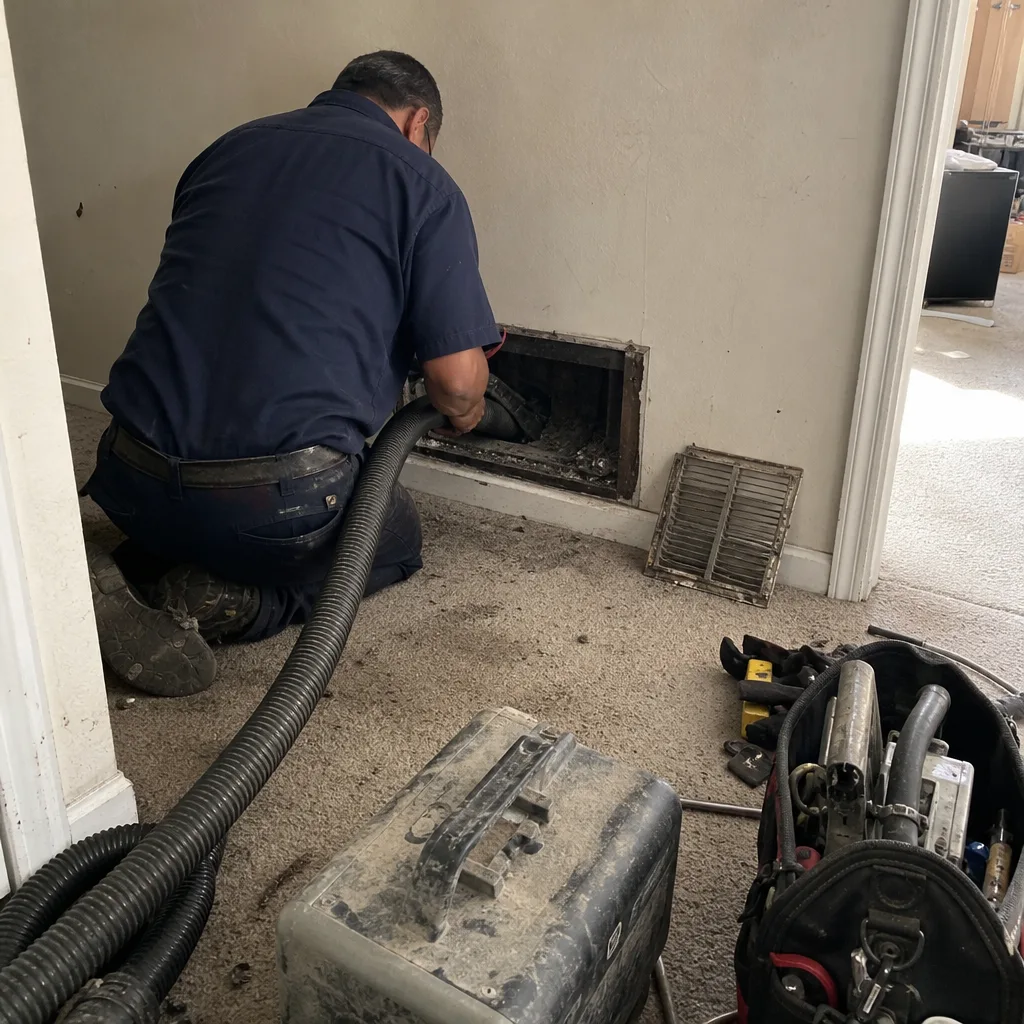 Before
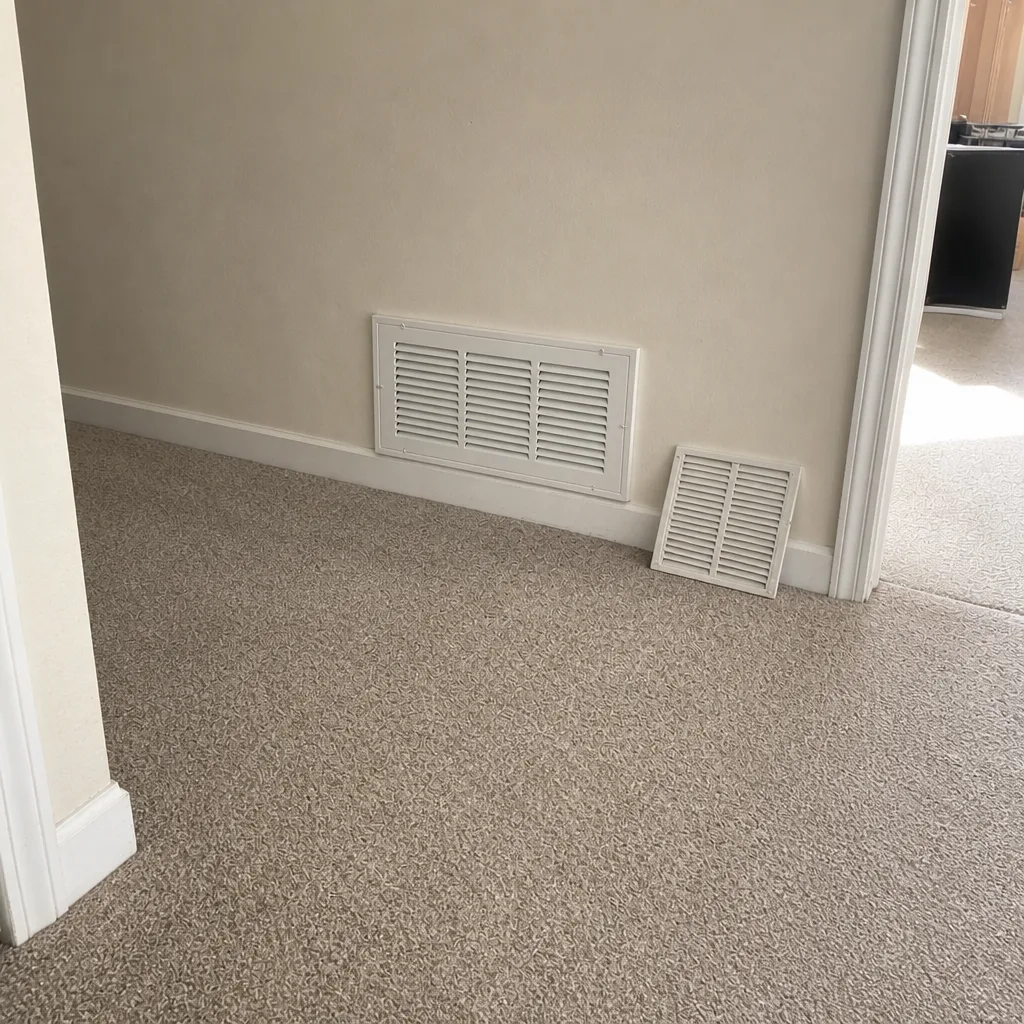 After
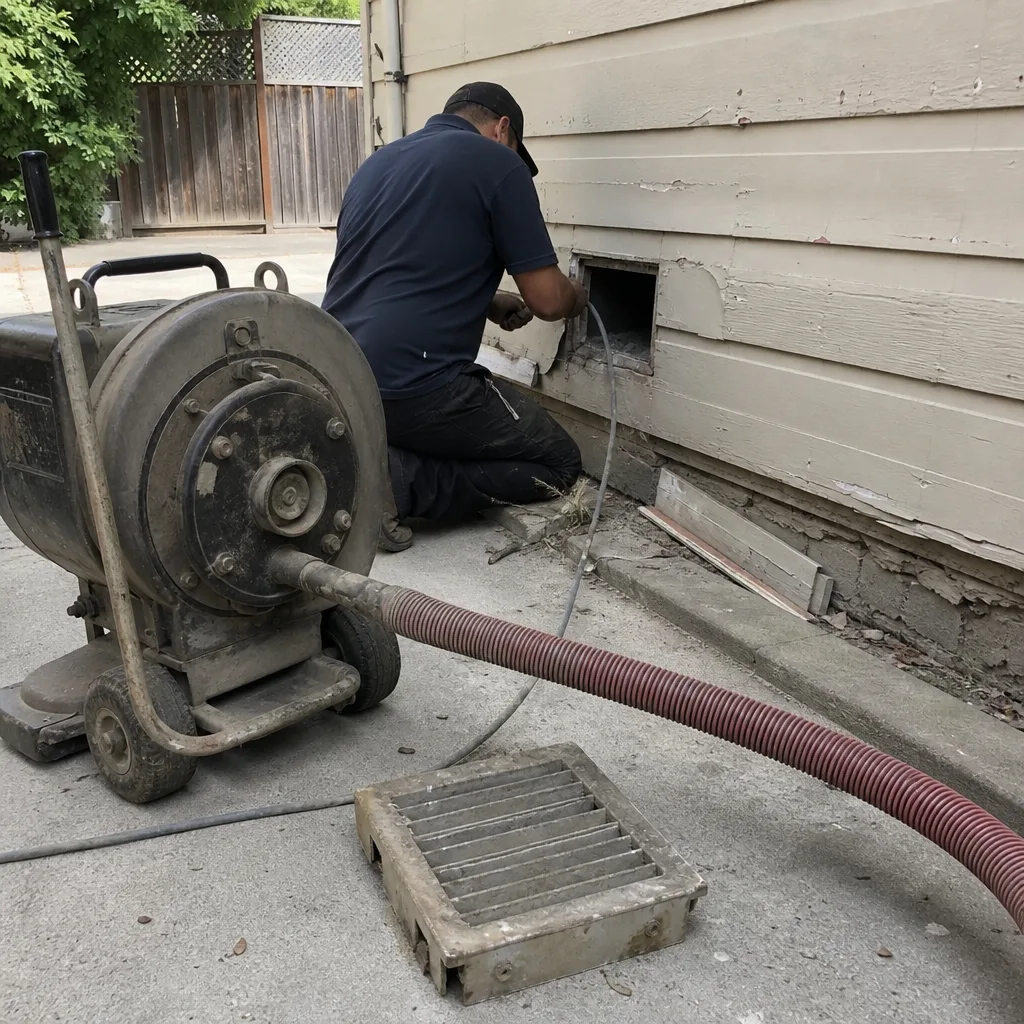 Before
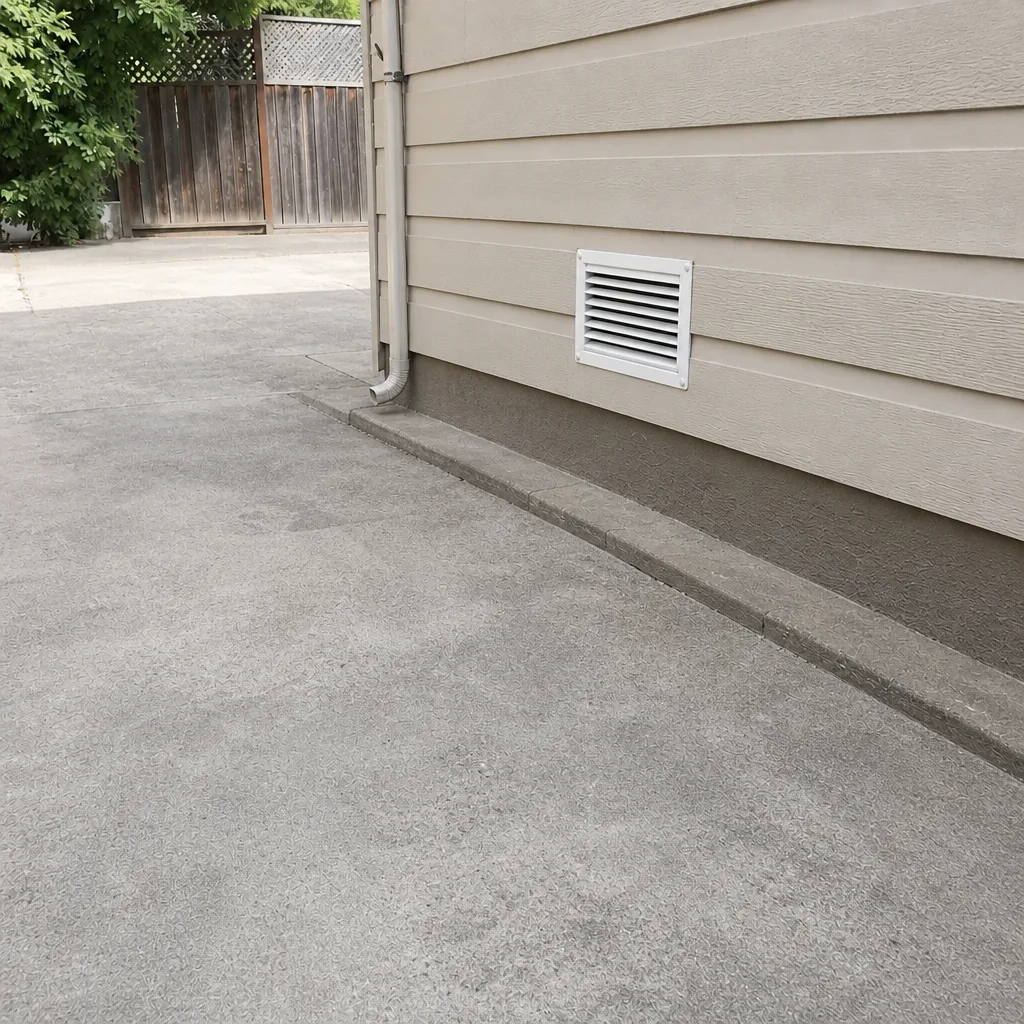 After
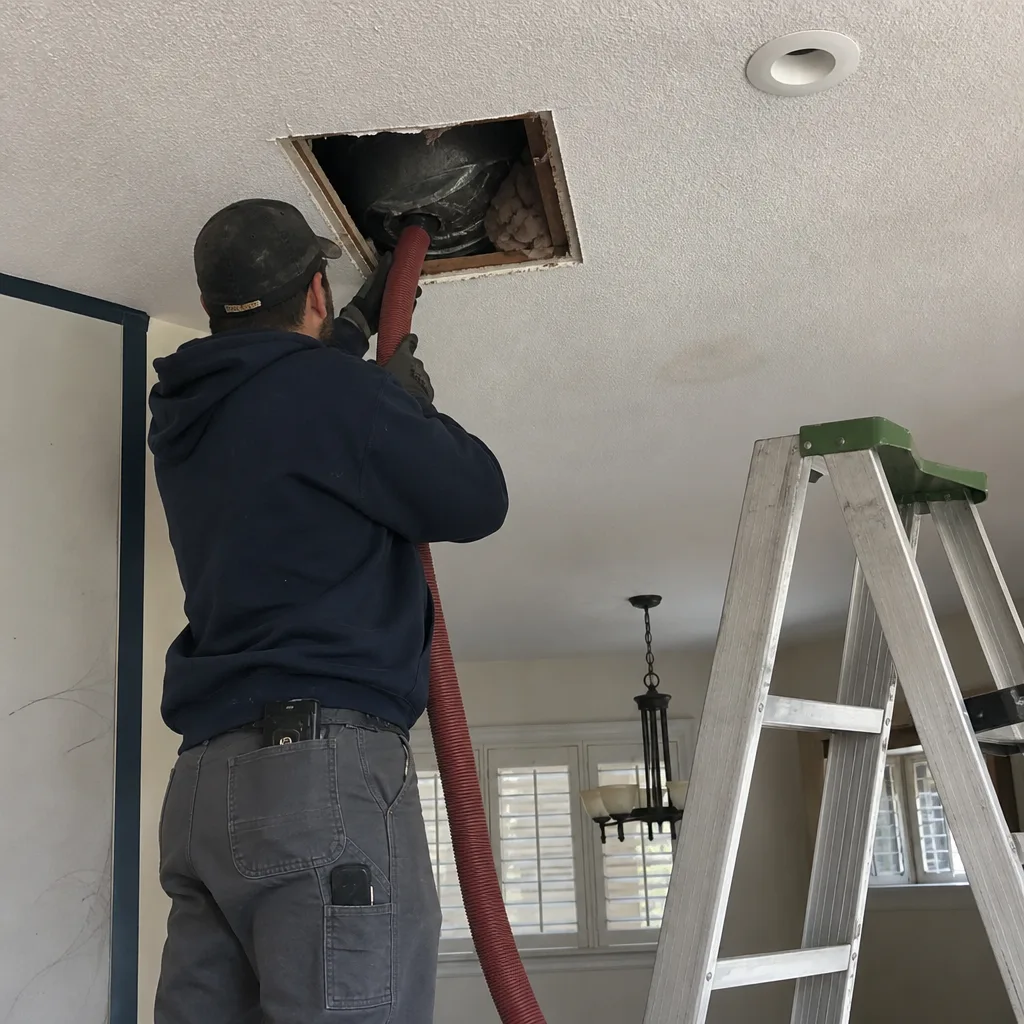 Before
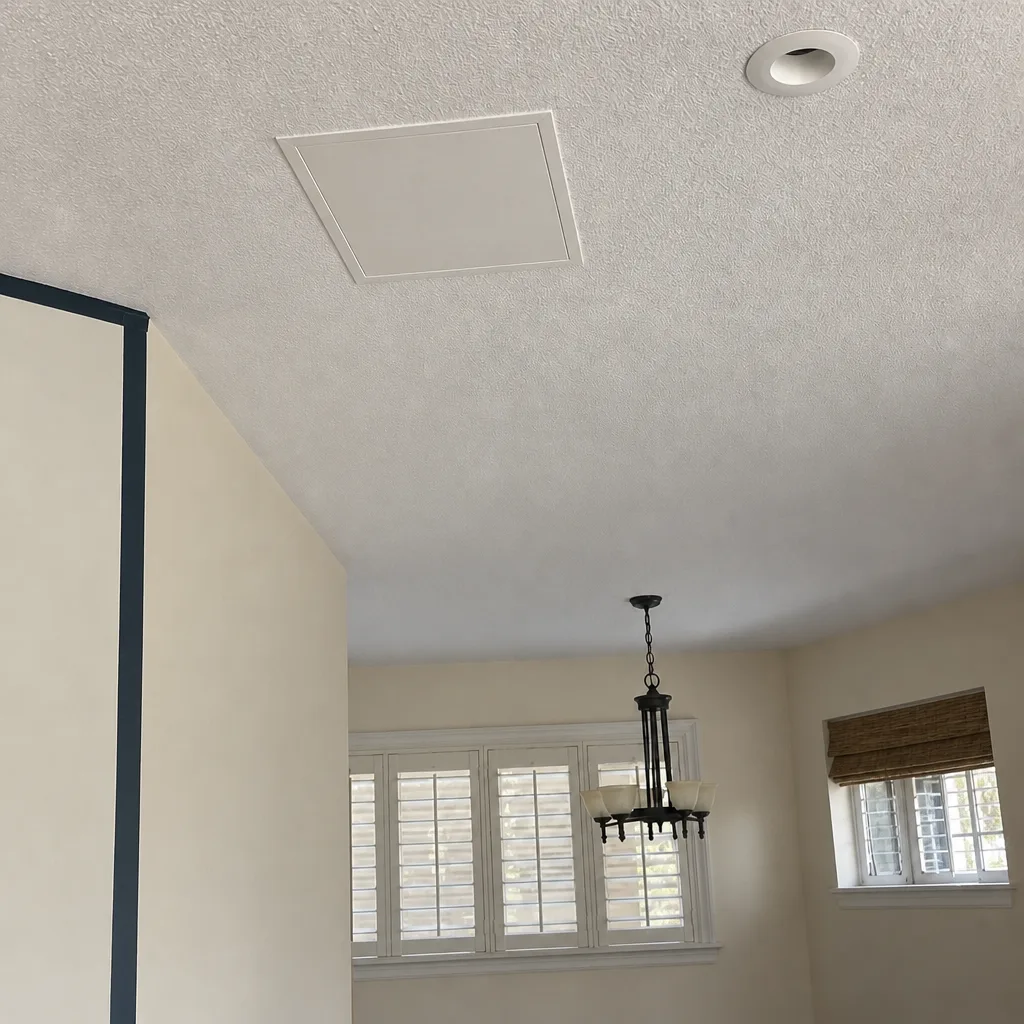 After